



Diplomatic Movement in a Fragile Region
Two regional officials say mediators have made measurable progress toward bringing the United States and Iran back to the negotiating table, a development that carries direct consequences for global energy markets and international trade routes. The talks, still fragile, aim to prevent armed conflict from erupting across the Middle East.
For economies tied to oil supply and shipping, the difference between diplomacy and war in this region is not abstract. It shows up in crude prices, freight insurance rates, and the cost of every barrel that passes through the Strait of Hormuz.

Why This Matters Beyond the Diplomacy Pages
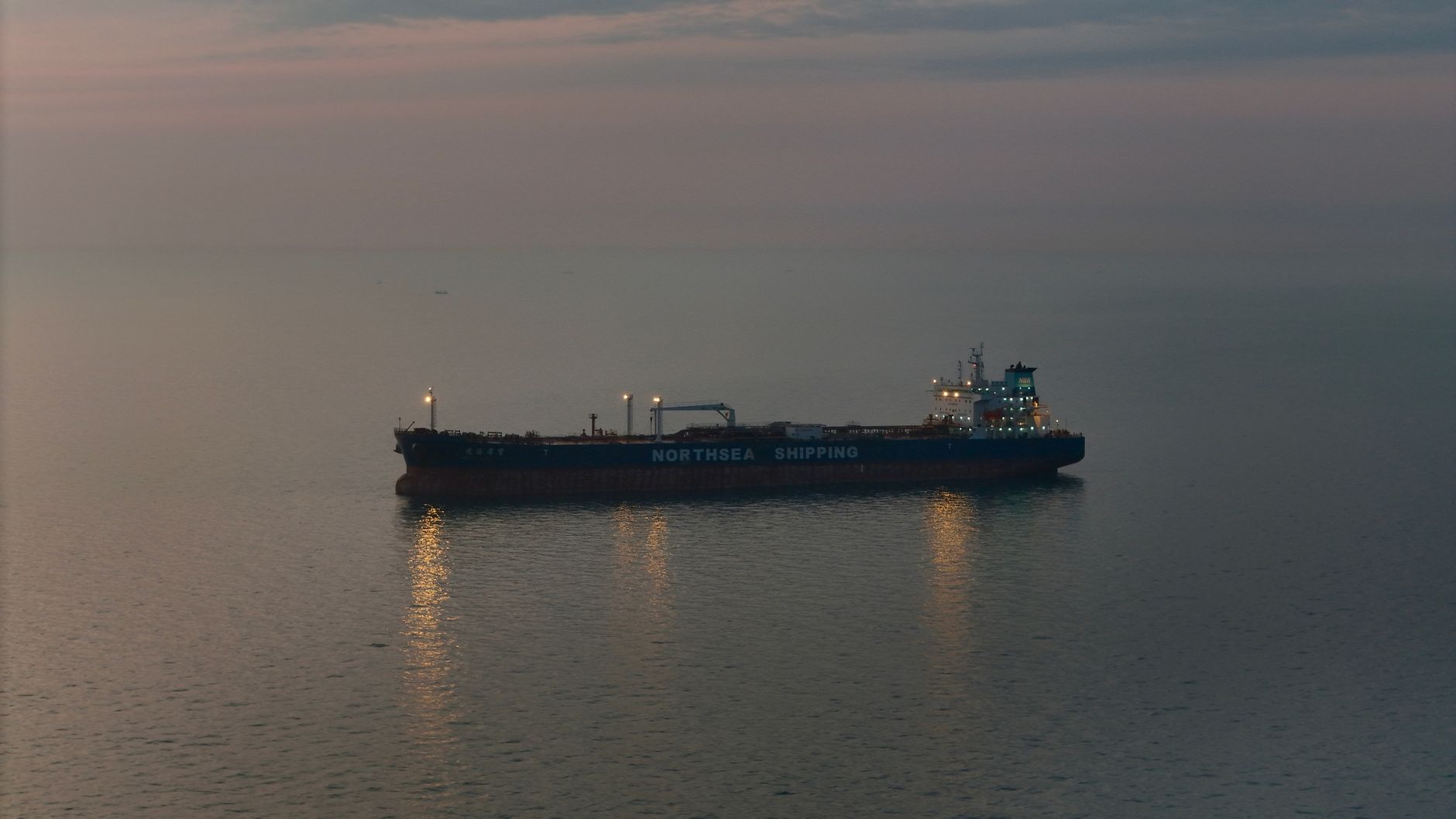
The Strait of Hormuz is the world’s most heavily trafficked oil chokepoint, with roughly 20 percent of global petroleum supply moving through it. Any military escalation between the U.S. and Iran would almost certainly disrupt that flow, triggering price spikes that feed directly into inflation figures in Europe, Asia, and North America.
Energy markets have been watching U.S.-Iran tensions for months, pricing in varying degrees of risk as the relationship between Washington and Tehran has lurched between hostile rhetoric and back-channel contact. Progress in mediation, even partial, tends to pull oil prices lower by reducing the war premium embedded in futures contracts. A breakdown does the opposite – sharply and fast.
The Mediation Framework Taking Shape
According to the two regional officials cited in the reporting, the progress is real but not yet final. No specific country was named as leading the mediation effort, though regional intermediaries – including states with working relationships on both sides – have historically played that role in U.S.-Iran standoffs. Qatar and Pakistan have both served as communication conduits in past negotiations between Washington and Tehran.
The goal, as described, is to prevent an all-out war rather than resolve the full scope of disputes between the two countries. That is a narrower target than a comprehensive nuclear or sanctions agreement, but stopping active conflict from starting has its own economic logic: destruction of infrastructure, disruption of shipping lanes, and the cascading effect on oil-dependent national budgets would be far harder to reverse than any diplomatic setback.
Iran’s economy is already operating under severe U.S. sanctions pressure. A military confrontation would almost certainly draw in additional international responses, cutting off what limited trade corridors Tehran still maintains. For the countries mediating, economic stability in the Gulf region is also a domestic concern – not a peripheral one.
On the U.S. side, war with Iran would carry immediate costs: elevated military spending, higher fuel prices at home, and the kind of geopolitical uncertainty that suppresses business investment. American administrations have historically been sensitive to those pressures, particularly when domestic economic conditions are already a political liability.
Oil, Insurance, and the Cost of Instability
The prospect of naval confrontation near Iranian ports has already registered in shipping insurance markets, where war-risk premiums for vessels transiting the Gulf have climbed in recent periods of heightened tension. Diplomatic movement in the other direction – toward talks rather than conflict – typically brings those premiums down, lowering costs for carriers and, eventually, for the buyers of whatever those ships are hauling.
That chain from geopolitics to insurance premium to consumer price is one that energy economists track closely. It is rarely visible in daily headlines, but it shapes the real cost of stability – or the lack of it.

What Comes Next
The two officials who described the progress did not outline a timeline for formal negotiations to resume. Progress in mediation and the start of actual talks between parties are different things, and the gap between them has swallowed diplomatic momentum before. Both the U.S. and Iran have domestic political audiences that complicate any move toward the table.
Iran’s government faces internal pressure to resist what hardliners describe as capitulation to American demands. In Washington, any engagement with Tehran requires navigating congressional opposition and a broader political environment skeptical of negotiations. Mediators threading that gap – from Doha or Islamabad or elsewhere – are working with limited margin for error.
The two regional officials who spoke did not identify themselves by name, which means the public picture of where talks stand remains incomplete. What is confirmed: progress has been made. What is not confirmed: whether that progress survives contact with the actual negotiating positions of the two governments.