
A Cultural Stop During a High-Stakes Diplomatic Visit
While trade negotiators and cabinet officials work through the harder edges of U.S.-China relations, both countries’ first ladies chose a different kind of setting to mark the moment – the Smithsonian’s National Museum of Asian Art in Washington, D.C.
What the Visit Signals Beyond the Museum Walls
Melania Trump and Peng Liyuan toured the National Museum of Asian Art together as part of China’s diplomatic visit to Washington. The pairing of two first ladies at a cultural institution is a long-standing diplomatic tool – one that sidesteps the direct friction of trade and security talks while still producing visible, photographable goodwill. It sends a message without requiring a joint statement on tariffs or technology.
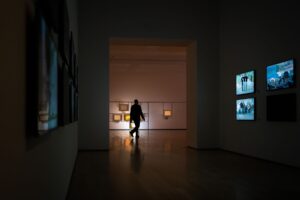
The Smithsonian’s National Museum of Asian Art holds one of the most significant collections of Asian art and artifacts in the Western Hemisphere, making it a deliberately chosen backdrop. Its galleries span Chinese ceramics, paintings, bronzes, and textiles alongside works from across the broader Asian continent. For a visit explicitly framed around celebrating cultural ties between the United States and China, the location does the symbolic work that formal diplomatic language often cannot.
Peng Liyuan is a well-known figure in China independent of her role as the wife of President Xi Jinping. A celebrated folk singer and performer before Xi’s political rise brought her into a more formal public role, she has represented China on state visits before and carries a degree of cultural weight that goes beyond ceremonial first-lady duties. Her presence at an art museum – rather than, say, a technology campus or a factory tour – fits both her background and the stated purpose of the visit.
Melania Trump, who returned to the White House in January 2025, has kept a comparatively lower public profile than some of her predecessors. Her appearance alongside Peng at the Smithsonian marks one of the more prominent joint first-lady engagements of this diplomatic cycle, and it comes at a moment when the broader Washington political environment is watching every U.S.-China interaction closely for signals about where the relationship is heading.
Cultural Diplomacy as Economic Backdrop
It would be a mistake to read a museum visit as entirely separate from economic reality. China’s diplomatic presence in Washington carries enormous financial weight – the two countries remain deeply intertwined trading partners despite years of tariffs, export controls, and rhetorical escalation from both sides. Cultural engagements like this one are not accidental; they are scheduled to soften the atmosphere around harder conversations happening elsewhere in the same city, on the same day.
The Smithsonian institution itself represents a specific kind of American soft power, funded by the federal government and free to the public, housing collections that draw millions of visitors annually. Choosing it as the venue for a bilateral first-lady engagement frames the U.S.-China relationship around shared human heritage rather than competitive economics. Whether that framing has any practical effect on tariff negotiations or technology export rules is a different question entirely.
U.S.-China trade remains one of the largest bilateral economic relationships in the world. Even through periods of significant political tension, goods flow between the two countries in the hundreds of billions of dollars annually. Diplomatic visits – including the cultural programming that surrounds them – are part of the machinery that keeps that relationship from fully breaking down. A tour of Asian art galleries will not resolve disputes over semiconductor exports or agricultural tariffs, but it can make the people at the table slightly less hostile to one another.
Peng Liyuan’s participation in this kind of cultural diplomacy also has economic subtext in a specific way: China’s soft power strategy has long included the promotion of Chinese arts, culture, and heritage abroad as a means of building favorable public perception in countries where trade relations are complicated. A first lady with genuine cultural credentials visiting an American museum dedicated to Asian art is consistent with that strategy, whether or not the visit is explicitly framed that way.
For Melania Trump, the engagement offers a visible role in a diplomatic moment that does not require staking out a position on any of the contested issues between Washington and Beijing. First-lady cultural diplomacy has historically operated in this register – present enough to matter, removed enough from policy to remain uncontroversial. Whether the current administration is using this visit as a deliberate signal of warming relations, or simply as a standard piece of diplomatic programming, is not clear from the available information.
The Visit in a Wider Context
China’s diplomatic visit to Washington is the formal occasion that brought this pairing together. State visits and diplomatic trips of this scale involve extensive scheduling on both sides, and the first-lady programming at the Smithsonian did not happen by chance. Both governments signed off on it, which means both governments saw value in the image it would produce – two women from the world’s two largest economies standing together in front of art that belongs, in some sense, to a shared cultural history.
The National Museum of Asian Art sits on the National Mall, physically embedded in the symbolic landscape of American government. What exactly Melania Trump and Peng Liyuan discussed as they moved through the galleries – which pieces stopped them, which rooms they lingered in – is not part of the public record of this visit.