



A Crowded Trade With Little Room for Error
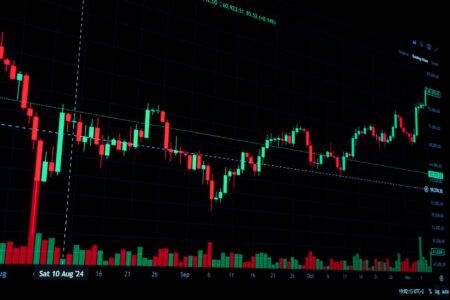
Andromeda Capital Management researchers are raising alarms about the current state of AI credit markets, warning that the conditions for investors financing the artificial intelligence capital expenditure boom have rarely looked this unfavorable. Their assessment is direct: “almost no upside and plenty of downside.”
The concern centers on a fundamental mismatch between the capital pouring into AI infrastructure and the uncertain returns that capital will actually generate. Investors who have been financing the AI spending wave are now sitting in a position where spreads are tight, expectations are high, and the margin for error has narrowed considerably.

Why Credit Markets Are Flashing Yellow on AI
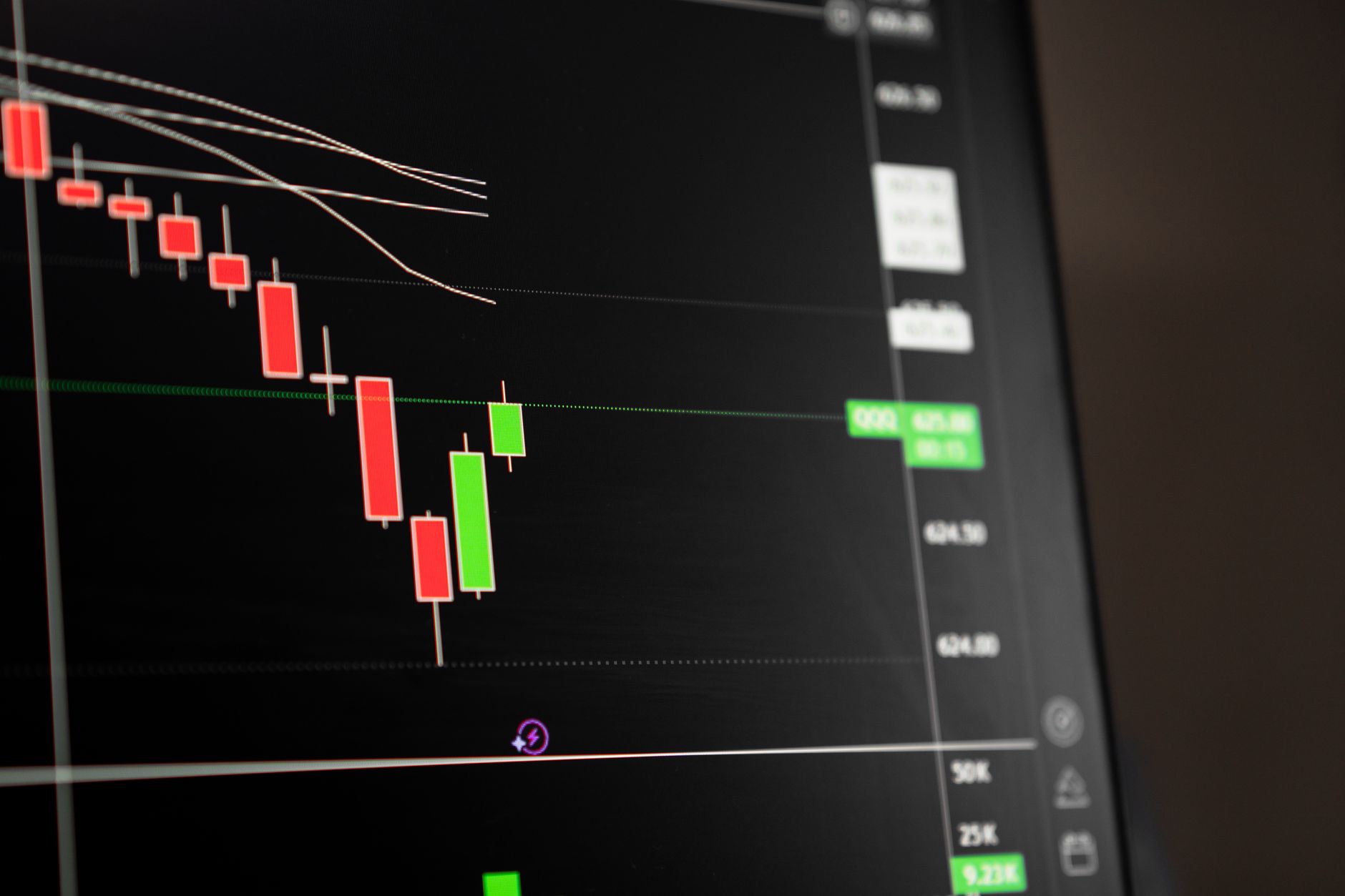
Credit markets work differently than equity markets. When a bond investor bets on an AI-linked company, the upside is capped – you get your interest payments and your principal back if everything goes well. The downside, however, is not capped. If a company’s AI spending fails to translate into revenue, credit investors absorb real losses. That asymmetry is always present in fixed income, but it becomes particularly dangerous when valuations are stretched and the underlying business case is still being proven.
That is precisely the situation Andromeda Capital Management is flagging right now. The AI capital expenditure cycle has been extraordinary in scale, with major technology companies committing hundreds of billions of dollars to data centers, chips, and the broader infrastructure required to run and train large language models. Debt markets have been willing participants, financing much of this buildout. But willingness to lend has pushed pricing to levels that leave almost no cushion if the revenue story disappoints.

The phrase “capex bonanza” is not accidental. Spending on AI infrastructure has been front-loaded – companies are building now on the expectation that monetization follows. For equity investors, that bet carries risk but also the possibility of outsized gains if the thesis plays out. For credit investors, the math is different. They do not participate in the upside if AI spending produces a generational technology platform. They simply get paid back at par, assuming nothing goes wrong.
What makes the current moment distinct, according to Andromeda’s researchers, is the combination of tight spreads and genuine uncertainty about return on investment. It is not that AI companies are failing – many are posting strong revenue growth. It is that the capital being deployed is so large, and the timeline for it to generate returns so extended, that the credit risk embedded in these positions is being systematically underpriced by the market. Investors are accepting less compensation for a risk profile that has not actually diminished.
The ROI Question Nobody Has Fully Answered
Return on investment for AI spending remains genuinely unresolved at this scale. Individual products and services built on AI are generating revenue. But the infrastructure layer – the data centers, the power contracts, the networking equipment, the GPU clusters – represents capital commitments that take years to depreciate and require sustained, growing demand to justify. The companies doing this spending are largely investment-grade borrowers with strong balance sheets, which is part of why credit markets have been comfortable. But investment-grade ratings reflect a company’s current financial position, not a guarantee that a multi-hundred-billion-dollar technology bet will pay off on schedule.


Andromeda Capital Management’s researchers are essentially arguing that the credit market has priced AI as if the ROI question is settled, when it clearly is not. That gap between market pricing and fundamental uncertainty is what creates the “almost no upside and plenty of downside” dynamic they are describing. If AI spending produces the returns the industry is projecting, credit investors get paid back as expected – a fine outcome, but not a windfall. If the spending cycle produces a glut of capacity before demand materializes, or if a competing technology shifts the landscape, credit investors face a repricing that current spreads offer no protection against.
What Investors Are Actually Risking
The warning from Andromeda Capital Management is not a prediction that AI companies will default. It is a valuation argument – the price of risk in AI credit markets does not adequately reflect the uncertainty involved. That distinction matters because it changes how investors should be thinking about their exposure. Avoiding AI credit is not the same as predicting collapse. It is recognizing that the compensation for holding these instruments has fallen below what the actual risk warrants.
For institutional investors who have built positions in AI-linked debt over the past two years, this creates a difficult decision. Exiting now means locking in returns that have likely been solid, but it also means acknowledging that the easy part of the trade is over. Staying means accepting a risk-reward profile that Andromeda’s researchers characterize as among the worst in years – a notable statement given how aggressively AI credit has been embraced across fixed income portfolios.
The AI capital expenditure cycle is still accelerating. Major technology companies have given no indication of pulling back on data center construction or chip procurement. That spending has to be financed, and debt markets will continue to be a primary vehicle for doing so. The question is not whether AI credit issuance will slow – it almost certainly will not in the near term – but whether the investors buying that debt are being paid enough to absorb the risk they are taking on. Right now, Andromeda Capital Management’s answer is no, and the spread between what the market is offering and what the risk actually demands keeps getting harder to ignore.