




Apple has initiated preliminary conversations with Intel and Samsung Electronics about potentially manufacturing its core device processors, according to Bloomberg News sources familiar with the discussions. The talks represent the iPhone maker’s exploration of alternative production arrangements for the silicon that powers its flagship products.
These early-stage deliberations signal a potential shift in Apple’s chip manufacturing strategy, which currently relies heavily on Taiwan Semiconductor Manufacturing Company for production of its custom-designed processors.

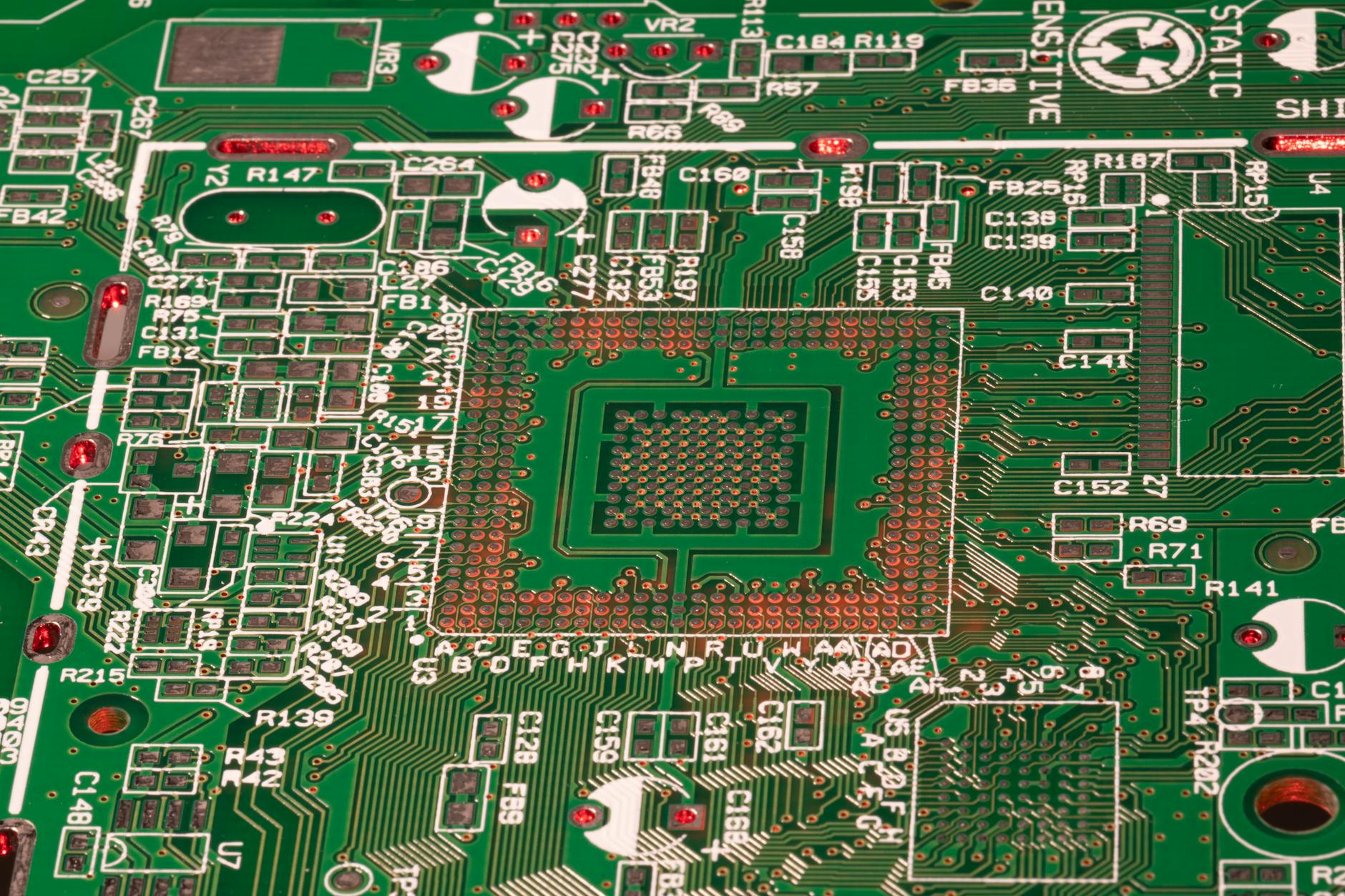
Manufacturing Strategy Under Review
The discussions with Intel and Samsung come as Apple evaluates its supply chain dependencies and considers domestic manufacturing options. Both companies operate significant semiconductor fabrication facilities in the United States, offering potential advantages for Apple’s long-term production planning.
Intel has been aggressively expanding its foundry services business, seeking to compete with TSMC by offering chip manufacturing for other companies. Samsung, meanwhile, operates advanced semiconductor facilities in Texas and has announced plans for additional US-based production capacity. The Korean giant already produces memory chips and other components for Apple devices.
Supply Chain Considerations
Apple’s current processor production remains concentrated in Asia, primarily through TSMC’s Taiwan facilities. This geographic concentration has raised questions about supply chain resilience, particularly given ongoing geopolitical tensions in the region. Moving some production to US-based facilities could provide Apple with greater manufacturing flexibility and potentially reduce certain supply chain risks.
The timing of these discussions coincides with increased US government incentives for domestic semiconductor manufacturing through the CHIPS Act. Both Intel and Samsung have received substantial federal funding to expand their American operations, creating an environment that could support Apple’s potential manufacturing diversification.
However, transitioning chip production involves significant technical and logistical challenges. Apple’s processors require cutting-edge manufacturing processes, and any new production partner would need to meet the company’s exacting quality and volume requirements.
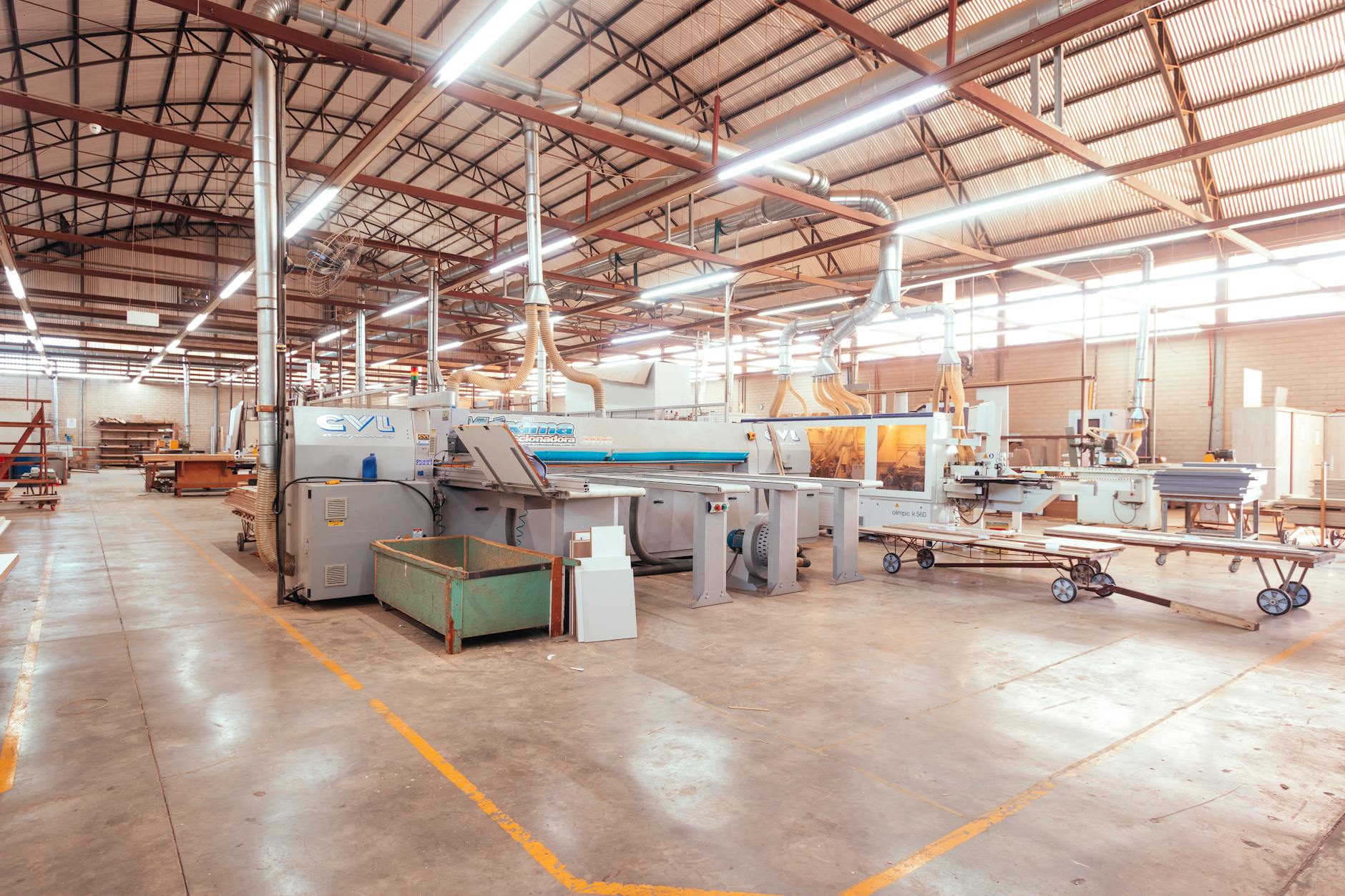
The discussions also reflect broader industry trends toward supply chain regionalization. Major technology companies have been reassessing their manufacturing dependencies following pandemic-related disruptions and increasing trade tensions between major economies.
Industry Implications
For Intel, landing Apple as a foundry customer would represent a major validation of its contract manufacturing ambitions. The company has invested billions in retooling its business to serve external customers, moving beyond its traditional focus on designing and manufacturing its own processors.
Samsung’s involvement in the discussions builds on its existing relationship with Apple, despite the companies’ competitive dynamics in smartphones and other consumer electronics. The Korean company already supplies various components for Apple products, including displays and memory chips, making processor manufacturing a logical extension of this partnership.
Production Timeline Remains Uncertain
The exploratory nature of these discussions means any actual production arrangements remain far from certain. Apple typically conducts extensive evaluations before making major supply chain decisions, and the company would need to ensure that alternative manufacturers can meet its technical specifications and production volumes.
The conversations also raise questions about Apple’s relationship with TSMC, which has been the exclusive manufacturer of Apple’s most advanced processors for several years. TSMC has consistently delivered cutting-edge manufacturing capabilities that have enabled Apple’s chip performance leadership in smartphones and computers.


Any shift in Apple’s manufacturing strategy would likely unfold gradually, potentially starting with older chip designs or specific product lines before expanding to the company’s most advanced processors. The complexity of modern semiconductor manufacturing means that establishing new production relationships requires careful planning and extensive testing phases.