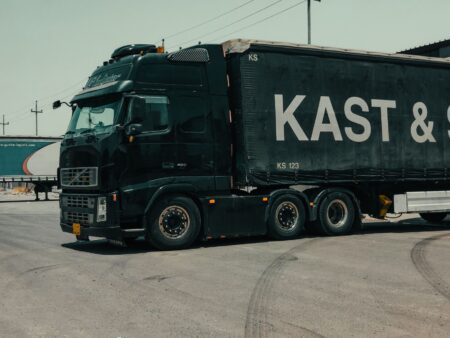




Federal investigators are examining whether America’s largest meat processors illegally coordinated pricing strategies as beef costs soar to unprecedented levels across grocery stores nationwide. The Department of Justice inquiry targets an industry where four companies control roughly 80% of cattle processing, raising questions about market manipulation during a period when natural supply constraints already strain the system.
Multiple factors beyond potential collusion have driven meat prices higher throughout 2023. Cattle herds remain at their smallest size in decades following years of drought across major ranching states, while processing facilities continue operating below full capacity due to labor shortages and equipment issues stemming from pandemic-era disruptions.

Weather and Herd Dynamics Drive Supply Shortage
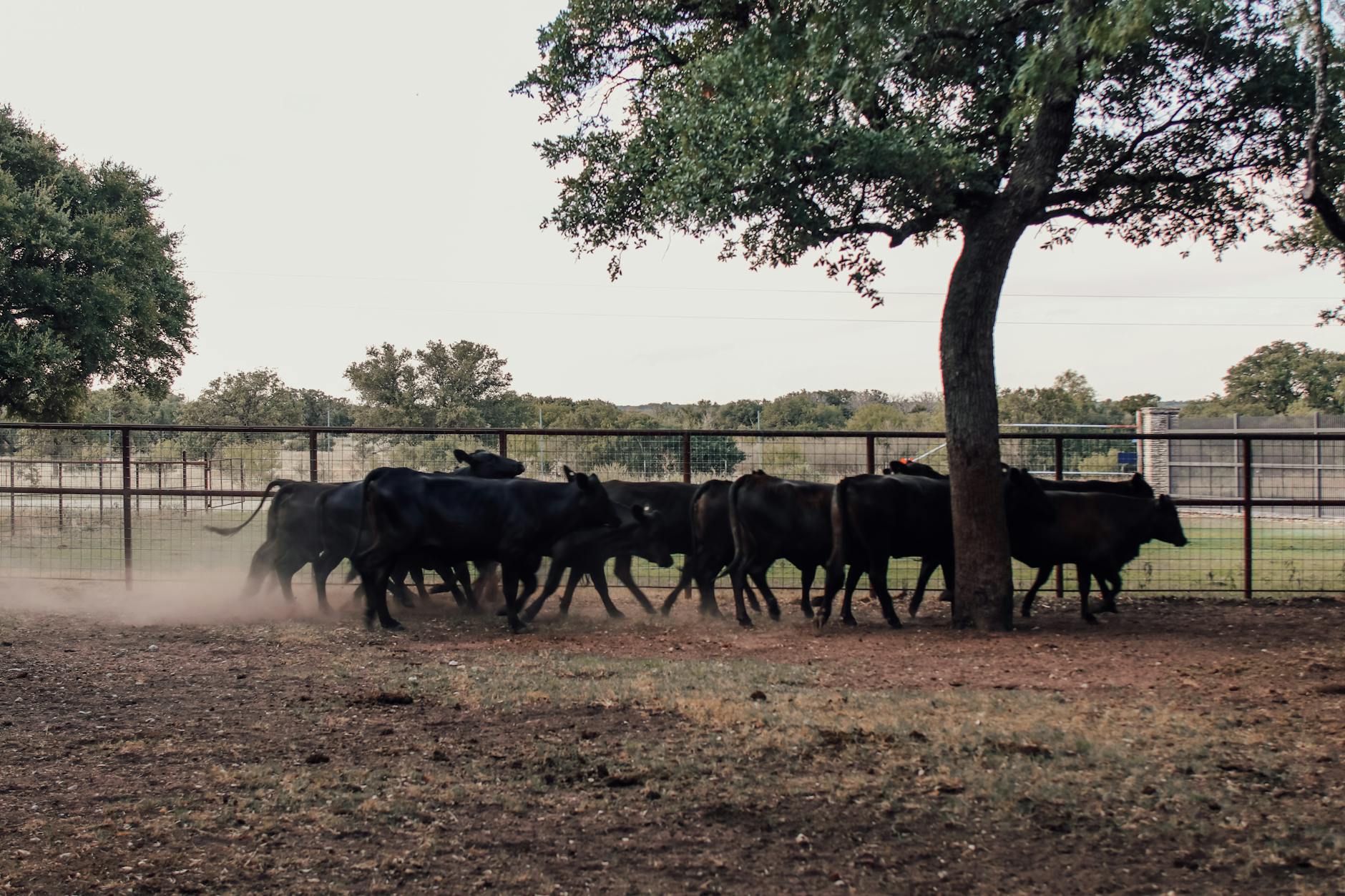
The nation’s cattle inventory dropped to levels not seen since the 1960s as ranchers culled herds during severe drought conditions across Texas, Oklahoma, and other key beef-producing regions. Pasture conditions deteriorated so dramatically that many operations sold breeding stock rather than maintain animals they couldn’t adequately feed, creating a supply crunch that will persist for years as herds rebuild slowly.
Wildfire damage compounded the agricultural crisis, destroying grazing lands and forcing additional herd liquidations. Summer grilling season typically drives seasonal demand higher, but this year’s combination of reduced supply and consistent consumer appetite created an especially volatile pricing environment. Processing facilities that shuttered during COVID-19 outbreaks never fully returned to pre-pandemic throughput levels.
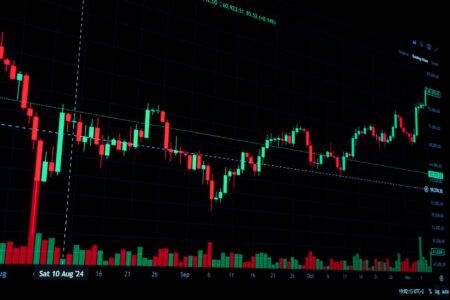
Industry data shows cattle futures trading at multi-year highs while retail beef prices climb toward record territory. The price gap between what ranchers receive for live cattle and what consumers pay at grocery stores has widened considerably, drawing attention from regulators who suspect processors may be extracting excessive profits during the supply shortage. Weather forecasts suggest drought conditions could persist into next year, maintaining pressure on cattle operations across the Southwest.
Corporate Concentration Under Scrutiny
The Justice Department’s investigation focuses on whether Tyson Foods, JBS, Cargill, and National Beef Packing engaged in price-fixing or other anticompetitive practices. These four companies process the vast majority of cattle slaughtered in the United States, giving them enormous influence over pricing at both the ranch and retail levels.
Antitrust officials are examining communication patterns between executives at competing firms and analyzing whether pricing movements across companies show signs of coordination rather than independent market responses. The probe represents the Biden administration’s broader effort to challenge corporate consolidation in agriculture, following similar investigations into poultry and pork processing.

Market Structure Amplifies Price Volatility
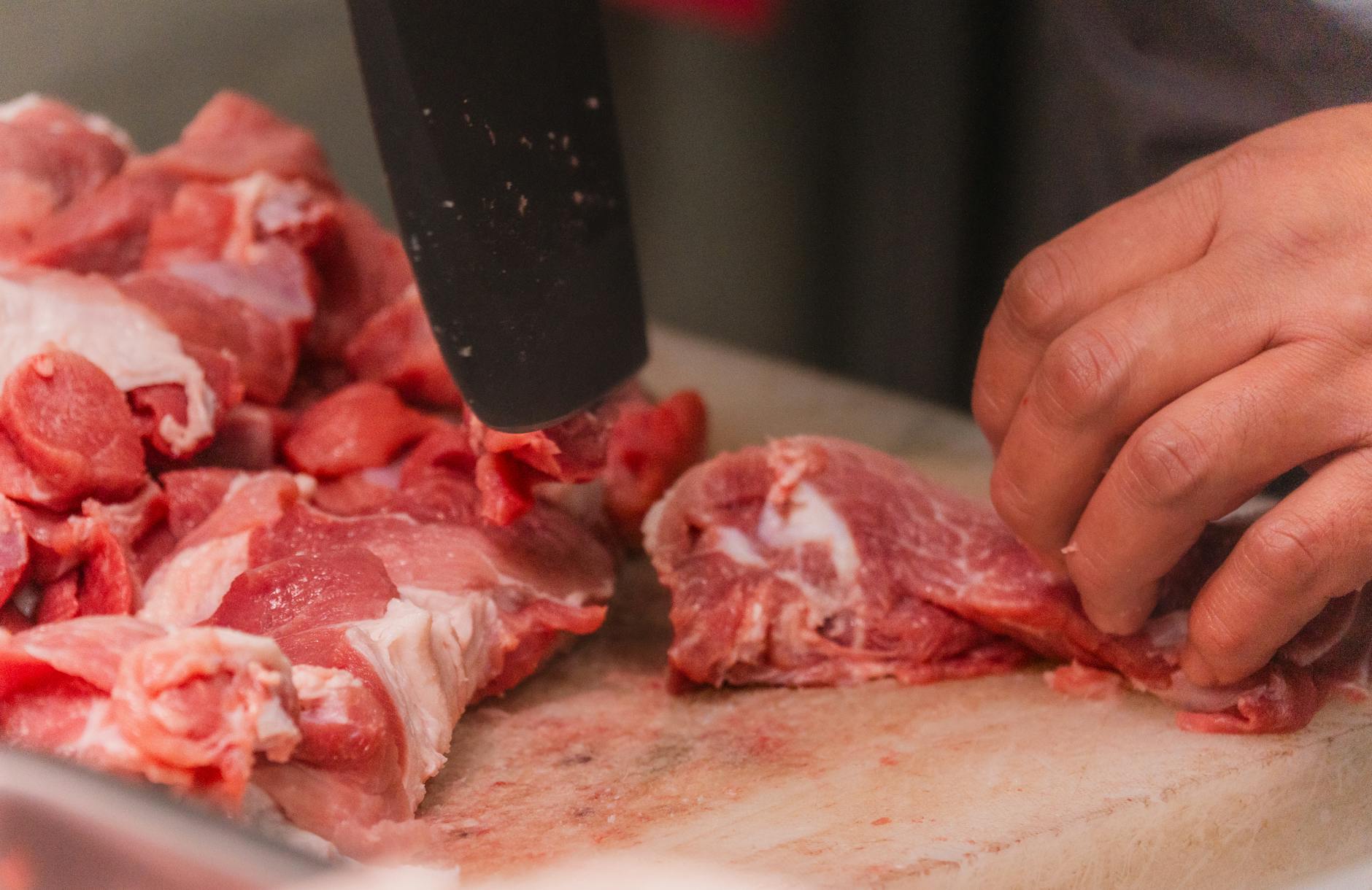
Decades of consolidation transformed beef processing from a competitive landscape into an oligopoly where a handful of massive facilities handle most production. When individual plants experience shutdowns or capacity constraints, the impact ripples across entire regional markets because few alternatives exist to absorb displaced volume. This structural vulnerability became apparent during pandemic-related closures when beef prices swung wildly despite relatively stable cattle supplies.
Economic analysis suggests the concentrated market structure allows processors to capture margins that might otherwise flow to ranchers or remain with consumers through lower retail prices. While companies defend their operations as efficient responses to economies of scale, critics argue the setup enables coordinated behavior that wouldn’t be possible in a more fragmented industry.
Independent ranchers report feeling squeezed between high feed costs and stagnant cattle prices, even as retail beef costs climb. The price discovery mechanism that traditionally linked ranch-level and consumer pricing appears increasingly disconnected, with processors capturing value that historically flowed through the supply chain. Regional processing capacity remains limited despite growing demand for local meat production alternatives.
Agricultural economists note that rebuilding cattle herds requires multi-year commitments from ranchers who must weigh uncertain weather patterns against volatile input costs. Feed grain prices remain elevated due to export demand and ethanol production, while labor costs for ranch operations continue rising. The investigation’s outcome could influence whether smaller regional processors receive regulatory support to challenge the dominant players’ market position.
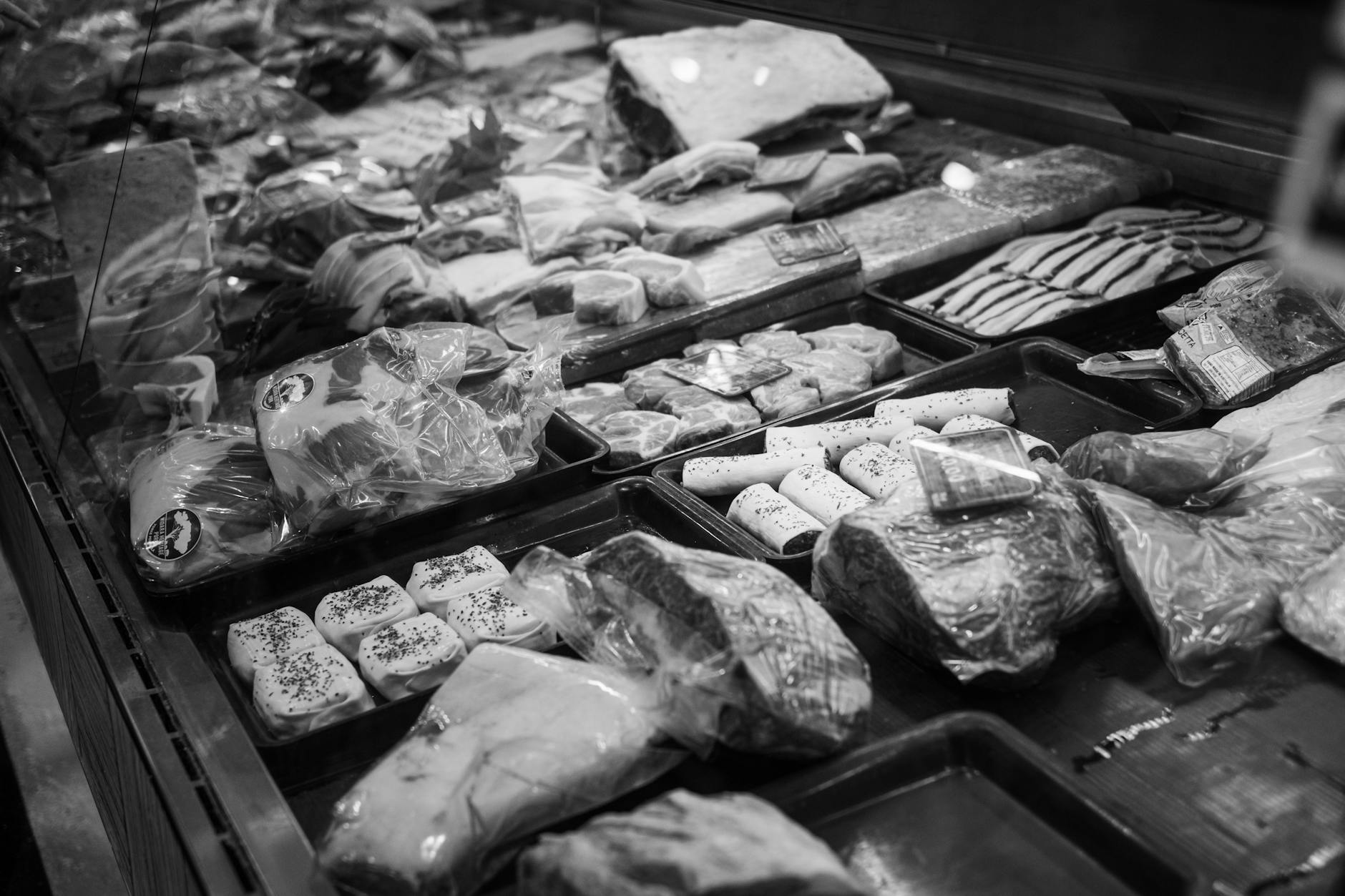
Justice Department officials haven’t indicated when the probe might conclude or what specific enforcement actions they’re considering. Meanwhile, grocery shoppers continue facing sticker shock in meat aisles where premium cuts now command prices that would have seemed impossible just a few years ago.