



Chinese automakers are rolling out their most advanced vehicles and cutting-edge technologies at this year’s Beijing Auto Show, signaling their intensified push into international markets where they face established global competitors.

Technology Race Heats Up in Beijing
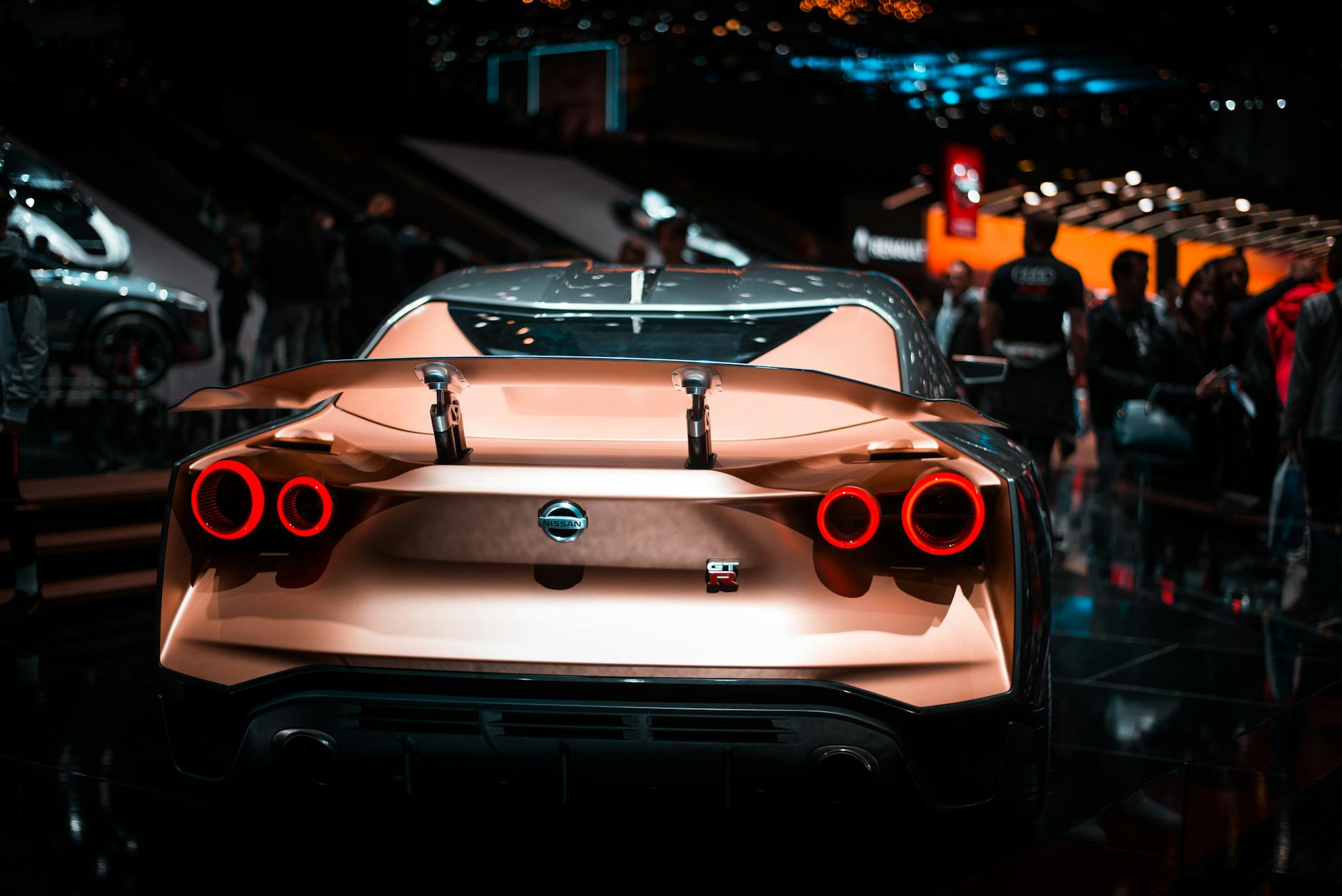
The exhibition floor in Beijing has become a battleground for automotive innovation, with domestic manufacturers presenting their latest achievements in autonomous driving systems and rapid charging capabilities. These technological advances represent years of research and development investments by Chinese companies seeking to differentiate themselves from international brands. The timing of these reveals coincides with growing competition in overseas territories where Chinese automakers are establishing footholds.
Intelligent driving features dominate many of the displays, with companies demonstrating sensor arrays, AI processing units, and navigation systems designed to compete with similar technologies from Tesla, Mercedes-Benz, and other global leaders. The sophistication of these systems reflects the substantial capital Chinese manufacturers have allocated toward research and development over the past decade. Several exhibitors are showcasing vehicles capable of Level 3 autonomous operation, putting them on par with international standards.
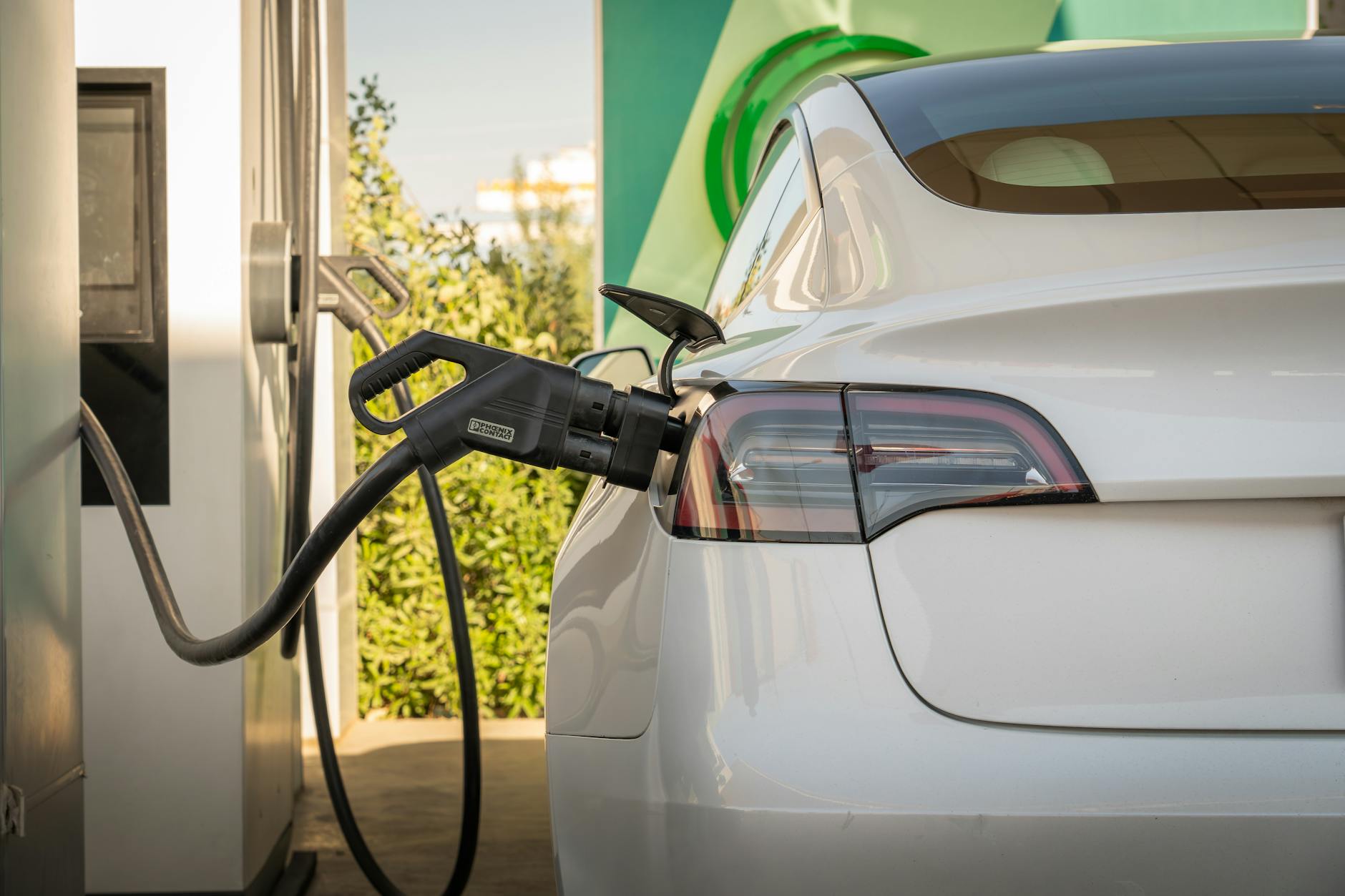
Ultrafast charging technology represents another area where Chinese companies are making significant claims about their capabilities. Multiple manufacturers are presenting charging systems that promise to deliver substantial battery capacity in minutes rather than hours, addressing one of the primary consumer concerns about electric vehicle adoption. These charging solutions often integrate proprietary battery chemistry and thermal management systems developed specifically for rapid energy transfer.
The breadth of models on display spans from compact city vehicles to luxury SUVs, indicating that Chinese automakers are targeting multiple market segments simultaneously rather than focusing on specific niches. This comprehensive approach suggests companies are building manufacturing capabilities and supply chains capable of supporting diverse product lines across different price points and consumer preferences.
Export Strategy Takes Center Stage
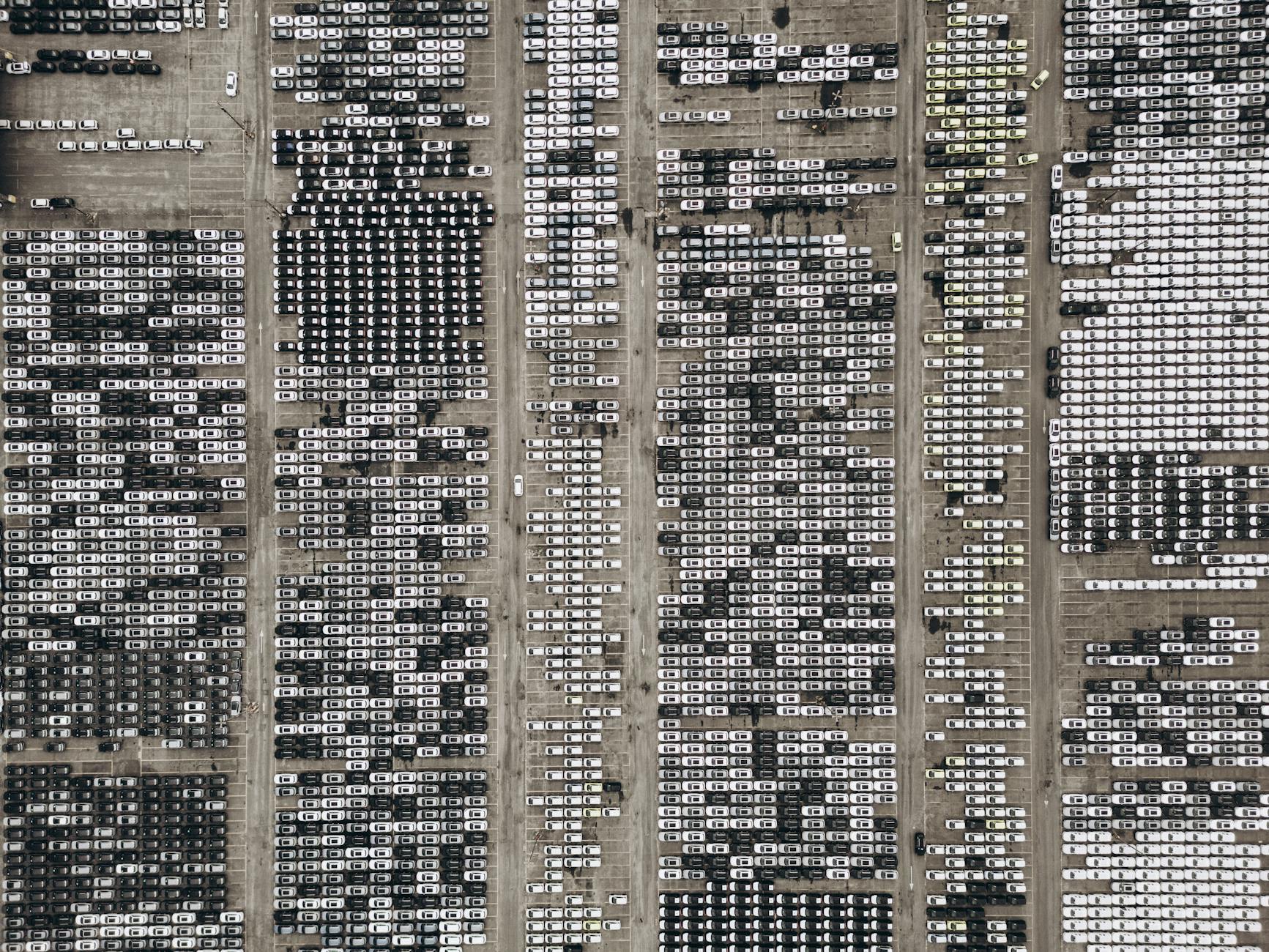
The Beijing show serves as a launching pad for international expansion efforts that have gained momentum over the past two years. Chinese automakers are no longer content with domestic market dominance and are actively pursuing customers in Europe, Southeast Asia, and Latin America. Their export strategies rely heavily on the advanced technologies being demonstrated in Beijing, particularly in electric vehicle segments where they can compete more effectively against established brands.
European markets have become a primary target for several major Chinese manufacturers, who are establishing distribution networks, service centers, and local partnerships to support their expansion efforts. The regulatory environment in Europe, which increasingly favors electric vehicles through subsidies and emissions standards, creates opportunities for Chinese companies with strong electric vehicle portfolios. Several exhibitors in Beijing are displaying models specifically designed for European safety and performance requirements.

Southeast Asian markets present different opportunities and challenges, with infrastructure development and pricing considerations playing larger roles in consumer decisions. Chinese automakers are positioning themselves to capitalize on the region’s growing middle class and increasing urbanization, which drive demand for personal transportation. The vehicles shown in Beijing include models with features and price points tailored for these emerging markets, including simplified technology packages and cost-optimized manufacturing approaches.
Competition with global rivals has intensified as Chinese companies venture beyond their home market, forcing them to match international standards for quality, safety, and performance. Traditional automakers like Toyota, Volkswagen, and General Motors possess decades of international experience, established dealer networks, and brand recognition that Chinese companies must overcome through superior technology, competitive pricing, or both. The Beijing show demonstrates how Chinese manufacturers are attempting to close these gaps through innovation and aggressive product development.
The financial resources required for global expansion are substantial, encompassing manufacturing facilities, regulatory compliance, marketing campaigns, and service infrastructure across multiple countries. Chinese automakers are leveraging their domestic success and government support to fund these international ventures, but the return on investment remains uncertain in many target markets. Success in overseas markets will depend on their ability to adapt products and strategies to local preferences and competitive dynamics.
Market Dynamics Shift
The automotive landscape is experiencing fundamental changes as Chinese companies transition from domestic players to global competitors, with the Beijing show serving as a public declaration of their international ambitions. Traditional market hierarchies are being challenged as new technologies and changing consumer preferences create opportunities for companies previously considered regional players. The vehicles and technologies on display represent Chinese manufacturers’ attempts to redefine their position in the global automotive ecosystem.

The success of these export strategies will determine whether Chinese automakers can sustain their growth beyond their protected domestic market, where government policies have historically favored local companies over foreign competitors. International markets offer both greater opportunities and higher risks, with established competitors, different regulatory frameworks, and varying consumer expectations creating complex challenges that cannot be solved through technology alone.