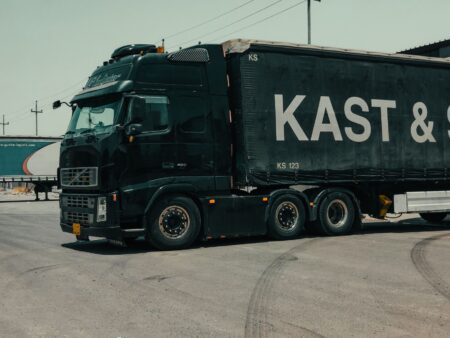




Rising college costs and widespread tech industry layoffs are driving Americans toward skilled trades, but employment stability in blue-collar work depends heavily on the specific industry and economic conditions.


Economic Pressures Reshape Career Choices
College tuition increases have outpaced inflation for decades, leaving many students questioning whether a four-year degree delivers adequate return on investment. Meanwhile, technology companies that once symbolized job security have eliminated hundreds of thousands of positions since 2022. These twin pressures are pushing workers toward vocational training and apprenticeships in manufacturing, construction, and utilities.
The skilled trades offer several advantages over traditional office work. Many positions provide clear advancement paths without requiring additional formal education. Apprenticeship programs often pay workers while they learn, eliminating the debt burden associated with college. Geographic mobility requirements are typically lower, as most trades serve local markets rather than global corporations prone to outsourcing.
However, blue-collar employment faces its own set of economic vulnerabilities. Construction workers experience seasonal layoffs during winter months in northern climates. Manufacturing positions remain subject to automation and international competition. Energy sector jobs fluctuate with commodity prices and regulatory changes.
Labor market data reveals significant variation in job security across different blue-collar sectors. Some industries demonstrate remarkable stability even during economic downturns, while others exhibit high volatility tied to broader market cycles.
Industry Analysis Reveals Security Disparities
Utility workers enjoy among the highest job security in the blue-collar sector. Electricity, water, and gas services maintain consistent demand regardless of economic conditions. Regulatory frameworks typically prevent mass layoffs, and aging infrastructure creates steady maintenance work. Power plant operators, electrical line workers, and water treatment technicians rarely face unemployment even during recessions. Union representation remains strong in many utility companies, providing additional job protection through collective bargaining agreements.
Healthcare support roles offer similar stability. Hospital maintenance workers, medical equipment technicians, and facilities managers benefit from healthcare’s recession-resistant nature. An aging population drives consistent demand for medical services, creating steady employment for the skilled workers who maintain healthcare facilities and equipment.
Government employment provides another stable option for blue-collar workers. Municipal maintenance crews, public works employees, and transportation workers typically enjoy civil service protections. Budget constraints may limit hiring, but established positions rarely disappear entirely. Pension benefits and healthcare coverage often exceed private sector offerings.

Construction presents a more complex picture. Residential building follows housing market cycles, creating boom-bust employment patterns. However, infrastructure maintenance and commercial construction provide steadier work. Bridge repair, road maintenance, and public building projects continue even during economic slowdowns. Specialized skills like elevator repair or HVAC installation command premium wages and face less competition from general contractors.
Manufacturing security varies dramatically by industry and company size. Automotive plants face cyclical demand and increasing automation pressure. Food processing facilities offer more stable employment but typically provide lower wages. Aerospace manufacturing companies often carry long-term government contracts that provide employment stability, but skilled positions require extensive training and security clearances.
Market Forces Shape Employment Landscape
Blue-collar work remains vulnerable to economic forces despite popular perceptions of stability. Trade policies affect manufacturing employment through tariffs and international agreements. Environmental regulations impact energy sector jobs, particularly in coal mining and petroleum refining. Technological advancement continues eliminating routine manual tasks while creating demand for workers who can operate and maintain complex equipment.
Regional economic conditions play a major role in blue-collar job security. Areas dependent on single industries face concentrated risk when that sector declines. Rust Belt cities experienced massive job losses as steel production moved overseas. Oil-producing regions see employment swings tied to energy prices. Workers in diversified metropolitan areas typically face lower unemployment risk than those in specialized industrial towns.
But which specific trades will weather the next economic storm, and how quickly can displaced white-collar workers transition into these physically demanding careers?