



Brazil will not offer tax incentives as part of its upcoming critical minerals regulatory framework, Finance Minister Dario Durigan announced Friday. The country’s approach prioritizes national sovereignty and domestic value creation over fiscal concessions to mining companies.
Durigan’s statement clarifies a key aspect of Brazil’s mineral policy strategy as the nation positions itself in the global race for lithium, rare earth elements, and other materials essential to renewable energy and technology sectors. The framework aims to boost domestic processing capabilities rather than rely on traditional tax reduction methods to attract investment.

Sovereignty Over Subsidies
The finance minister’s position reflects Brazil’s determination to maintain control over its mineral wealth while building downstream industries. Rather than following the subsidy playbook used by other nations, Brazil appears to be betting on regulatory clarity and processing requirements to drive investment.
This approach contrasts sharply with countries like the United States, which has deployed significant tax credits and subsidies to build domestic critical minerals supply chains. Brazil’s strategy suggests confidence in its natural resource endowments and geographic advantages in serving both North American and global markets.
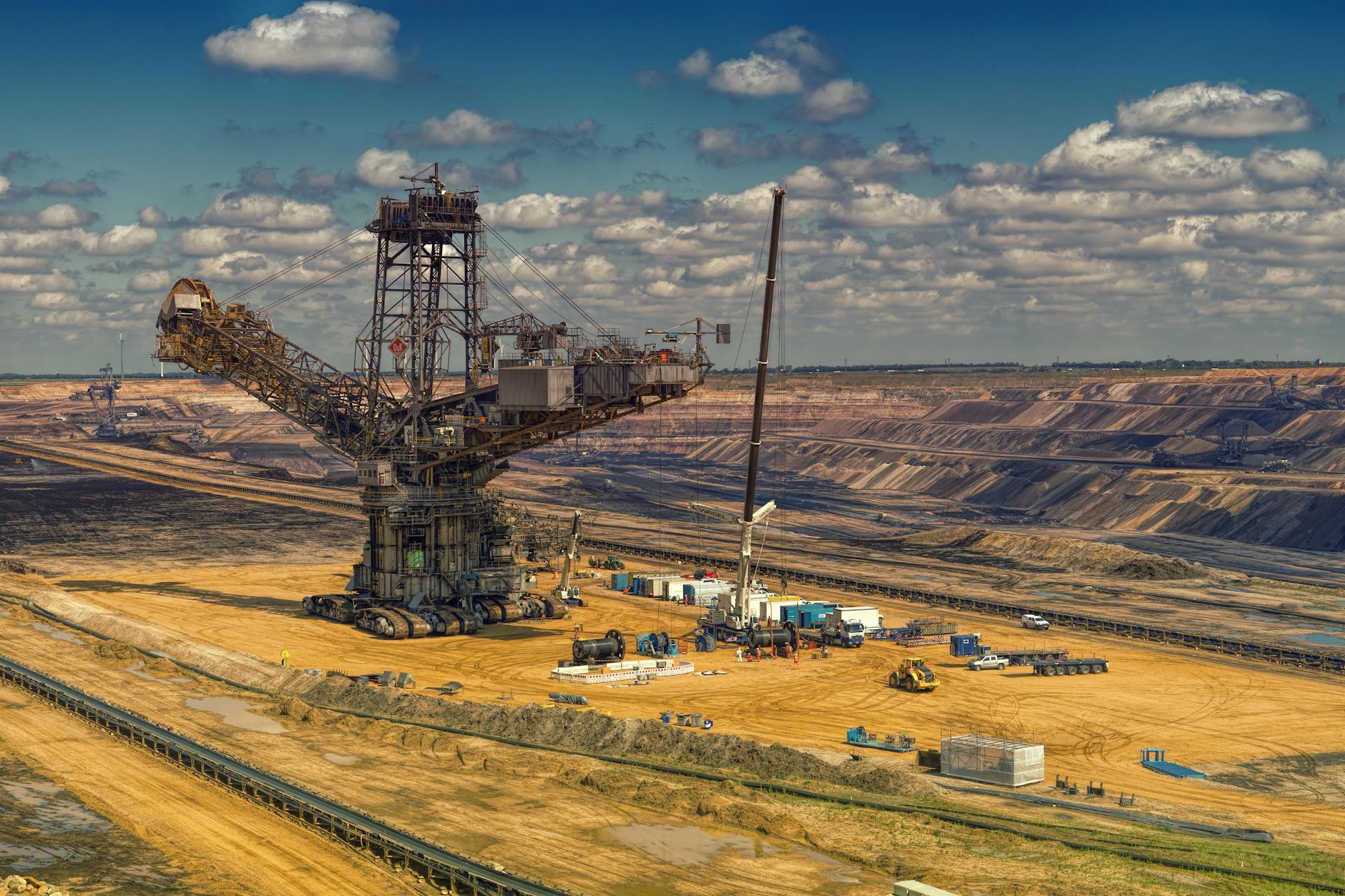
The regulatory framework under development will likely include requirements for domestic processing and value-added manufacturing. These mandates could force mining companies to establish refineries and processing facilities within Brazil’s borders, creating jobs and capturing more value from raw material extraction. Such requirements have proven effective in other resource-rich nations, though they can increase initial investment costs for companies.

Market Response
Mining companies operating in Brazil will need to adjust their investment calculations based on this tax policy stance. Without fiscal incentives, projects will need to demonstrate profitability through operational efficiency and market pricing alone.
The announcement comes as global demand for critical minerals continues to surge, driven by electric vehicle adoption and renewable energy infrastructure buildouts. Brazil holds significant reserves of lithium, graphite, and rare earth elements, positioning the country as a potential major supplier in the energy transition.
Processing Push
Durigan’s emphasis on domestic processing represents a strategic shift away from Brazil’s historical role as a raw material exporter. The country has long shipped iron ore, soybeans, and other commodities abroad for processing, capturing only the initial extraction value rather than higher-margin manufacturing activities.
Building domestic processing capacity requires substantial infrastructure investment, including specialized facilities, skilled workforce development, and reliable energy supplies. Brazil’s abundant renewable energy resources, particularly hydroelectric power, could provide a competitive advantage for energy-intensive mineral processing operations.
The regulatory framework will likely include specific requirements for environmental protection and community engagement, areas where Brazil has faced international scrutiny in mining and agricultural sectors. Companies will need to demonstrate compliance with stricter environmental standards while meeting domestic processing quotas.


The finance minister’s announcement leaves several questions unanswered about implementation timelines and specific processing requirements. Companies currently exploring critical mineral projects in Brazil must now plan for a regulatory environment that prioritizes sovereignty over traditional fiscal incentives.