




Minutes before post time at Churchill Downs, Great White’s dramatic exit from the Kentucky Derby field sent shockwaves through the gambling industry as millions in wagers suddenly became worthless paper.

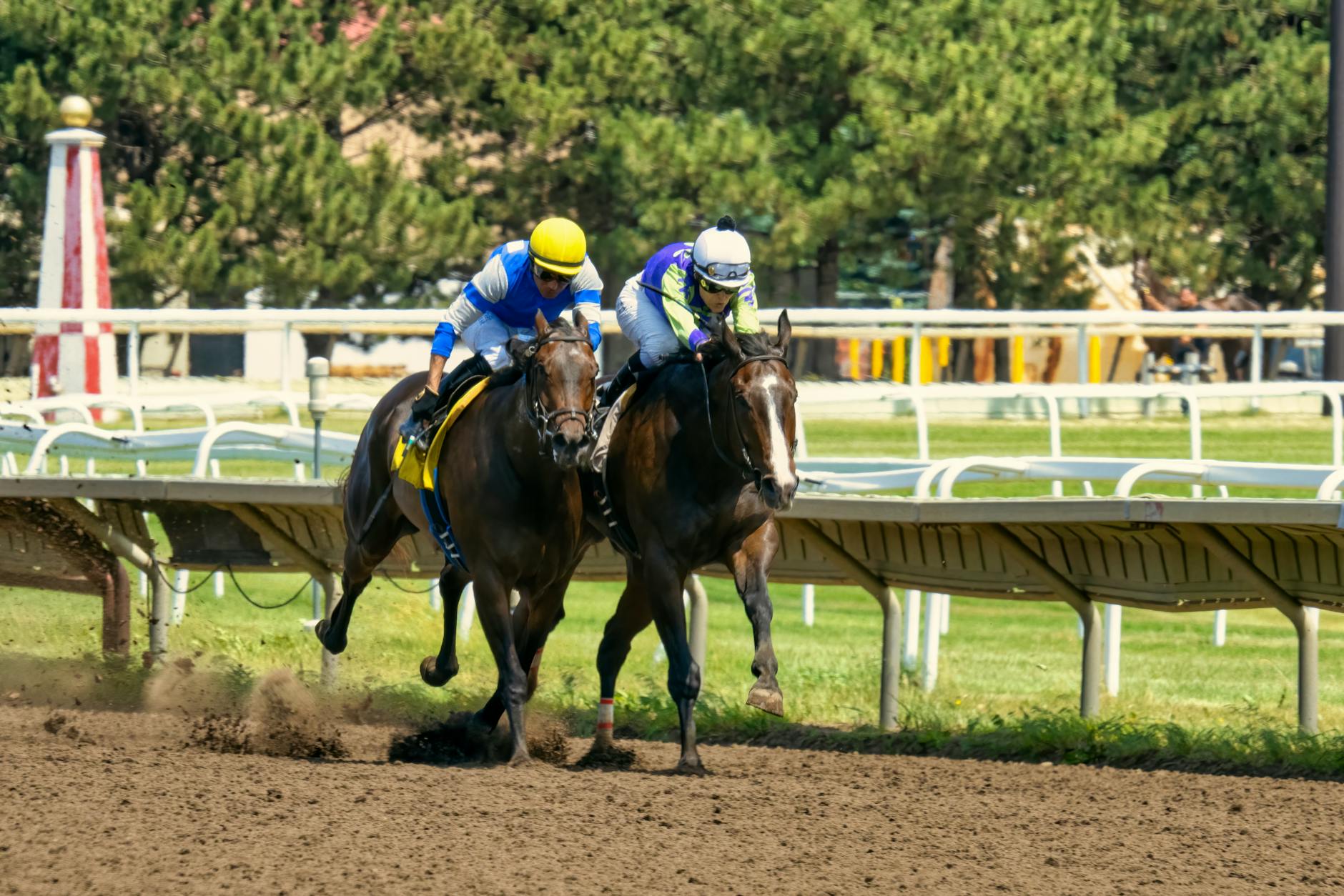
The Economics of Last-Minute Racing Scratches
Alex Achard hit the dirt hard when Great White flipped near the starting gate, but the financial impact rippled far beyond the track’s medical tent. The horse’s removal from the field triggered an immediate cascade of refunds, recalculations, and lost revenue across multiple betting platforms. Pari-mutuel pools that had accumulated throughout Derby week suddenly required massive adjustments.
Exacta and trifecta bets involving Great White became instant refunds, while superfecta combinations collapsed entirely. The Kentucky Horse Racing Commission’s protocols demand these payouts happen within hours, creating operational headaches for tracks and online platforms alike. Track officials estimate the scratch affected roughly 12% of all exotic wagers placed on the race.
Beyond individual bettors, the scratch hammered commercial operators who had built marketing campaigns around full-field betting options. Daily fantasy sports platforms scrambled to adjust their contests, while traditional bookmakers faced the expensive process of recalculating odds across their entire Derby portfolio. The timing made everything worse – most casual bettors place their wagers in the final hour before a major race.
Insurance companies that cover racing operations also took a hit. Great White carried performance insurance worth several hundred thousand dollars, and the scratch triggered claims procedures that will take weeks to resolve. The horse’s connections had invested heavily in Derby preparation, costs that insurance may only partially cover depending on the specific terms of their policy.
Market Disruption in Real Time
The moments after Great White’s scratch revealed the Kentucky Derby’s true economic scale. Betting handle for the race typically exceeds $160 million across all venues, making it the single largest gambling event in American horse racing. Even a minor disruption to that flow creates measurable financial consequences.


Churchill Downs’ stock price showed minimal immediate reaction, but smaller regional tracks that simulcast the Derby faced more direct pressure. These venues rely on Derby betting to generate significant portions of their annual revenue, and the scratch reduced their expected take from the event. Off-track betting parlors reported confusion among casual gamblers who didn’t understand why their tickets had suddenly changed value.
Online betting platforms experienced their own technical challenges. Automated systems had to recalculate thousands of combination bets within minutes, while customer service departments fielded calls from confused bettors. The scratch occurred too late for most platforms to send push notifications to their mobile users, leaving many people unaware their bets had changed until after the race ended.
The ripple effects extended to merchandise and concession sales at Churchill Downs itself. Great White had drawn a modest but dedicated following, and his scratch meant fewer people purchasing related memorabilia. Track concessionaires reported noticeable dips in sales during the crucial hour before post time, when fans typically make their final purchases.
Perhaps most significantly, the scratch demonstrated how fragile the racing industry’s economic model remains. A single horse’s last-minute exit can disrupt millions of dollars in carefully planned betting activity, revealing the sport’s dependence on maintaining full competitive fields. The incident highlighted ongoing concerns about horse racing’s ability to deliver consistent entertainment value to its gambling-focused audience.
Long-Term Industry Implications
Great White’s exit raises uncomfortable questions about horse racing’s business model and its heavy reliance on gambling revenue. The scratch rate for major races has increased over the past decade, creating recurring headaches for tracks and betting operators who struggle to predict their actual revenue until horses actually enter the starting gate.

Industry executives privately acknowledge that late scratches represent one of their most persistent operational challenges, particularly as racing competes with more predictable forms of entertainment gambling. Unlike casino games or sports betting on team sports, horse racing offers no guarantee that advertised fields will actually compete as scheduled. This uncertainty makes it difficult for tracks to promise consistent returns to their commercial partners and affiliated businesses.