



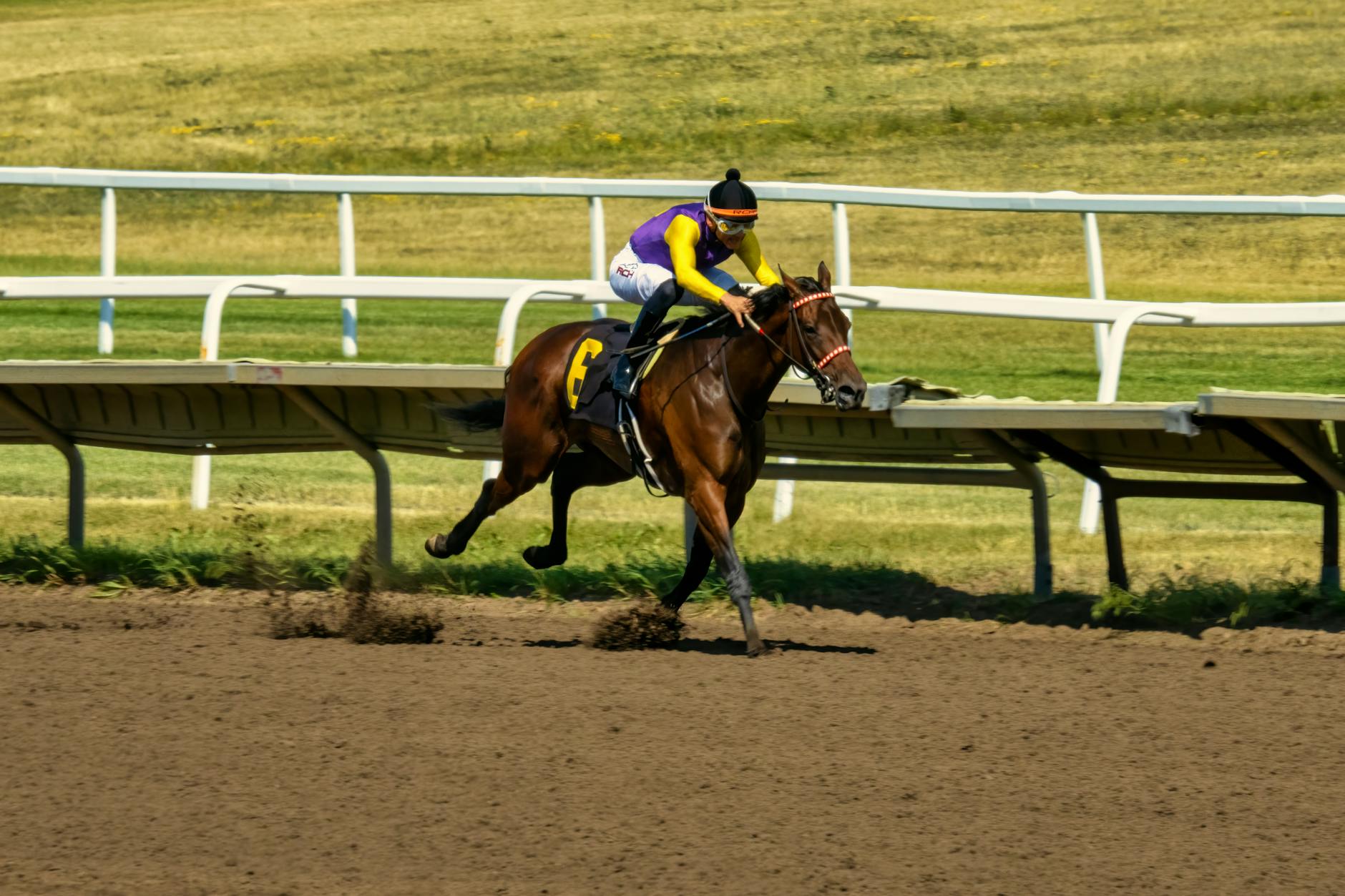
The freshly crowned Kentucky Derby champion Golden Tempo will bypass the middle jewel of horse racing’s Triple Crown, trainer Cherie DeVaux confirmed this week. Instead of pursuing the traditional path through Baltimore’s Preakness Stakes next weekend, the connections are charting a different course for their prized colt.
DeVaux revealed plans to point Golden Tempo directly toward the Belmont Stakes on June 6, which will take place at Saratoga Race Course in upstate New York. The decision breaks from the conventional Triple Crown trail that has defined thoroughbred racing’s most prestigious series for decades.

Strategic Timing Drives Decision
The choice to skip the Preakness reflects careful planning around Golden Tempo’s racing schedule and physical condition. Derby winners typically face intense pressure to continue immediately to Pimlico Race Course for the second leg of the Triple Crown, but DeVaux appears willing to sacrifice momentum for strategic positioning.
This approach mirrors tactics employed by other successful trainers who prioritize long-term horse welfare over traditional expectations. The extra weeks between now and the Belmont could provide Golden Tempo with additional recovery time and targeted preparation for the demanding mile-and-a-half distance that defines the final Triple Crown race.

Financial Implications of the Skip
The decision carries significant economic consequences across multiple sectors of the racing industry. Preakness Stakes betting pools will lose the star power that comes with a Derby winner’s participation, potentially affecting handle and television ratings for the Maryland Jockey Club’s marquee event. NBC Sports, which broadcasts both races, must now recalibrate marketing strategies that typically center around Triple Crown narratives.
Golden Tempo’s absence also impacts the broader wagering landscape surrounding the Triple Crown series. Without the Derby winner in the field, Preakness odds will shift dramatically, creating new opportunities for bettors but eliminating the popular storylines that drive casual fan engagement and spending.
The New York Racing Association stands to benefit from this scheduling change, as Saratoga Race Course will now host a Derby winner making his next major start. This premium attraction typically translates to increased attendance, concession sales, and simulcast revenue from tracks nationwide that broadcast the Belmont Stakes.
Television executives face the challenge of maintaining viewer interest in a Preakness field without its biggest draw. Historical data shows that Triple Crown races featuring recent Derby winners generate substantially higher ratings and advertising revenue compared to those missing the Kentucky classic’s champion.
Industry Pattern Emerges
Golden Tempo joins a growing list of Derby winners who have elected to skip one or more subsequent Triple Crown races in recent years. This trend reflects evolving training philosophies that prioritize horse health and strategic race placement over traditional Triple Crown pursuits.
The shift away from automatic Triple Crown attempts has created new revenue streams for tracks hosting alternative targets, while simultaneously forcing Preakness and Belmont organizers to develop contingency marketing plans that don’t rely on Derby winner participation.

Belmont Stakes Positioning
By targeting the Belmont Stakes directly, Golden Tempo’s team positions the horse for a race that historically favors fresh legs over horses coming off the grueling Derby-Preakness double. The Saratoga venue change for this year’s Belmont adds another variable, as the track’s unique characteristics could play to different strengths than the traditional Belmont Park layout.
The extended break between the Derby and Belmont also allows DeVaux to monitor Golden Tempo’s training more carefully and make tactical adjustments based on his physical development. This measured approach increasingly appeals to owners and trainers who view the Triple Crown as three separate opportunities rather than a mandatory sequence.
Whether this strategy pays off financially and competitively remains to be seen, but the decision already reshapes the economic landscape surrounding both remaining Triple Crown races. Will other Derby winners follow this blueprint, or does Golden Tempo’s path represent a calculated gamble that could backfire?