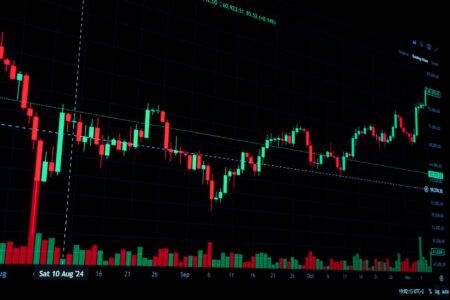




Friday’s trading session marked a turning point for gold as the precious metal pushed through a significant short-term technical resistance level. The breakout signals potential momentum recovery following weeks of lackluster performance since geopolitical tensions with Iran first emerged.
The technical breakthrough comes after gold struggled to maintain its earlier gains when Middle East conflicts initially drove safe-haven demand. Market participants now watch whether this move above the trend line can sustain itself amid shifting global economic conditions.

Technical Analysis Points to Renewed Strength
Gold’s ability to reclaim territory above its short-term trend line represents more than just a daily price movement. Technical traders often view such breakouts as confirmation that selling pressure has diminished and buyers are regaining control. The metal had been consolidating below this level for several trading sessions before Friday’s decisive move higher.
Chart patterns suggest the precious metal may have found its footing after the initial Iran-related volatility subsided. When geopolitical events first unfolded, gold experienced sharp intraday swings but failed to establish a clear directional trend. The recent technical breakout could indicate that market uncertainty is giving way to more defined price action.
Volume accompanying Friday’s move will be closely scrutinized by traders seeking validation of the breakout’s authenticity. Strong volume typically supports genuine technical breaks, while light trading can signal false moves that quickly reverse. Gold’s next test will be whether it can hold these levels during upcoming trading sessions or if profit-taking emerges to challenge the advance.

Geopolitical Backdrop Shifts Market Dynamics
The Iran situation created initial demand for gold as investors sought traditional safe-haven assets during periods of elevated geopolitical risk. However, the metal’s subsequent sluggish performance revealed how complex factors beyond simple crisis response now drive precious metals markets. Economic data, central bank policies, and currency movements all compete with geopolitical developments for influence over gold prices.
Market participants appear to be recalibrating their approach to geopolitical premium in gold pricing. The initial spike followed by consolidation suggests traders are becoming more selective about which international developments warrant sustained precious metals exposure.
Looking Beyond Technical Levels
Gold’s technical breakout occurs against a backdrop of multiple economic crosscurrents that could influence future price direction. Interest rate expectations, inflation concerns, and dollar strength all factor into the precious metal’s investment appeal. The Iran conflict provided temporary support, but longer-term fundamentals will likely determine whether current gains can be extended.
Institutional investors have shown mixed signals regarding gold allocation in recent months. Some funds have reduced positions amid competing opportunities in other asset classes, while others maintain strategic holdings as portfolio insurance. This institutional indecision may contribute to gold’s recent technical patterns and breakout attempts.
The precious metal faces additional headwinds from robust equity markets and cryptocurrency adoption among younger investors seeking alternative stores of value. Traditional gold buyers now compete with digital assets for safe-haven investment flows, creating new dynamics in precious metals demand patterns.

Friday’s technical breakthrough represents just one data point in gold’s complex pricing equation. Whether this move can attract sustained buying interest or merely represents another false start will become clear as traders test the metal’s ability to build on these gains. The Iran conflict may have provided the initial catalyst, but market forces beyond geopolitical tensions will ultimately determine gold’s trajectory from these elevated technical levels.