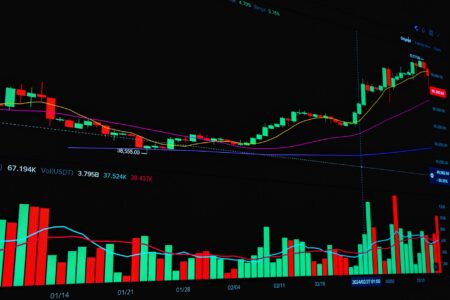




Deutsche Boerse CEO Stephan Leithner is sounding the alarm as Wall Street prepares to embrace round-the-clock trading, warning that continuous market operations could fracture liquidity and undermine market stability.

Fragmentation Concerns Drive Opposition
Leithner’s resistance centers on liquidity fragmentation, a phenomenon where trading volume gets spread across multiple venues and time periods rather than concentrated in peak hours. When markets operate continuously, the natural clustering of buyers and sellers during traditional business hours dissolves, potentially making it harder to execute large trades efficiently. The German exchange executive sees this as a fundamental threat to market quality.
The warning comes at a time when several major U.S. exchanges and trading platforms are actively developing infrastructure to support 24/7 equity trading. These initiatives represent a significant departure from the current system, where stock markets operate during specific hours with clear opening and closing times that help concentrate trading activity.
Deutsche Boerse operates one of Europe’s largest stock exchanges through its Frankfurt Stock Exchange subsidiary, giving Leithner’s perspective particular weight in global market structure debates. His exchange handles billions of euros in daily trading volume and has observed how different trading schedules affect market behavior across European time zones.
The liquidity argument reflects broader concerns about market microstructure that have emerged as trading becomes increasingly automated and global. When trading activity spreads too thin across time and venues, price discovery can become less efficient, potentially leading to wider bid-ask spreads and increased trading costs for investors.
Wall Street’s 24/7 Trading Evolution
Major U.S. exchanges are nonetheless moving forward with plans to extend trading hours significantly, with some exploring completely continuous operations. The push reflects growing demand from institutional investors who want to react immediately to global events and earnings announcements that often occur outside traditional market hours. Retail investors, particularly younger traders accustomed to cryptocurrency markets that never close, are also driving demand for extended access.

Technology infrastructure improvements have made 24/7 trading more feasible than ever before. High-speed trading systems can now handle continuous operations without the technical limitations that previously required market closures for system maintenance and settlement processes. Cloud computing and advanced risk management systems enable exchanges to monitor and manage trading activity around the clock.
The competitive pressure is intensifying as alternative trading platforms and cryptocurrency exchanges demonstrate that continuous operations can attract significant trading volumes. Traditional stock exchanges risk losing market share if they don’t adapt to changing investor expectations, particularly as the boundaries between traditional and digital assets continue to blur.
Several pilot programs are already underway, with some exchanges testing extended hours for specific securities or market segments. These trials are generating data on how continuous trading affects price volatility, trading volumes, and market efficiency. Early results suggest mixed outcomes, with some securities showing improved liquidity during extended hours while others experience reduced activity.
The regulatory environment is also evolving to accommodate longer trading hours, though oversight agencies are carefully monitoring the implications for market stability and investor protection. Extended trading hours create new challenges for market surveillance systems that must detect potential manipulation or unusual activity across much longer time periods.
Global Market Structure Tensions
The debate over 24/7 trading highlights fundamental differences in market philosophy between European and American exchanges. European markets have traditionally emphasized stability and orderly price discovery, while U.S. markets have focused more heavily on innovation and accessibility. These philosophical differences are becoming more pronounced as technology enables new trading models.

Leithner’s position also reflects concerns about operational risks that come with continuous trading. Market makers and other liquidity providers would need to maintain operations around the clock, potentially increasing their costs and operational complexity. Will smaller market participants be able to compete effectively in a 24/7 environment, or will continuous trading create advantages for the largest, most technologically sophisticated firms?