



The Cost of Staying Covered
Home insurance premiums have reached a record high across the United States, driven by a wave of natural disasters that has forced insurers to fundamentally reassess how they price risk. Hurricanes, severe storms, and wildfires have each contributed to mounting losses that carriers can no longer absorb at older premium levels, pushing costs onto policyholders in ways that are now showing up clearly in household budgets.
The increases are not evenly distributed. Certain states and regions have absorbed far steeper hikes than others, depending on their exposure to specific categories of disaster. For homeowners in those areas, the math on owning property has changed considerably – and insurers are signaling that the recalibration is far from over.


What Is Actually Driving the Increases
The primary pressure on premiums comes from the rising frequency and severity of natural disasters. Hurricanes have grown more destructive in recent cycles, producing larger insurance claims across coastal states. Wildfires, particularly in the West, have burned through areas that were once considered manageable risks, leaving insurers with losses that exceeded their models. Severe storms – including the kind of inland flooding and hail events that don’t generate the same headlines as major hurricanes – have quietly added billions in annual claims across the Midwest and South.
Insurers respond to those losses by repricing their exposure. When a carrier pays out more in claims than it collects in premiums – a dynamic that plays out across entire portfolios, not just individual policies – it either raises rates, exits the market, or both. All three responses have been visible in the current environment. Several major insurers have pulled back from high-risk states entirely, which reduces competition and gives remaining carriers less pressure to keep prices in check. The homeowners left behind face a shrinking pool of options and a widening gap between what coverage costs and what they once paid.
Reinsurance costs – the premiums that insurance companies themselves pay to transfer risk – have also climbed sharply. That upstream cost increase flows directly into retail premiums, meaning even homeowners in lower-risk areas have seen their rates move. When the global reinsurance market prices catastrophe exposure higher, every insurer adjusts its own pricing structure to compensate, and the cost eventually lands on the policyholder.
Construction costs have compounded the problem. Rebuilding a home after a disaster costs significantly more than it did five years ago, because labor and materials – particularly lumber, roofing components, and skilled trades – remain elevated relative to pre-pandemic baselines. Insurers must cover replacement costs, not historical values, so as the price of rebuilding rises, the liability they carry on each policy grows. That liability gets priced into the premium at renewal.
Where Premiums Spiked the Most
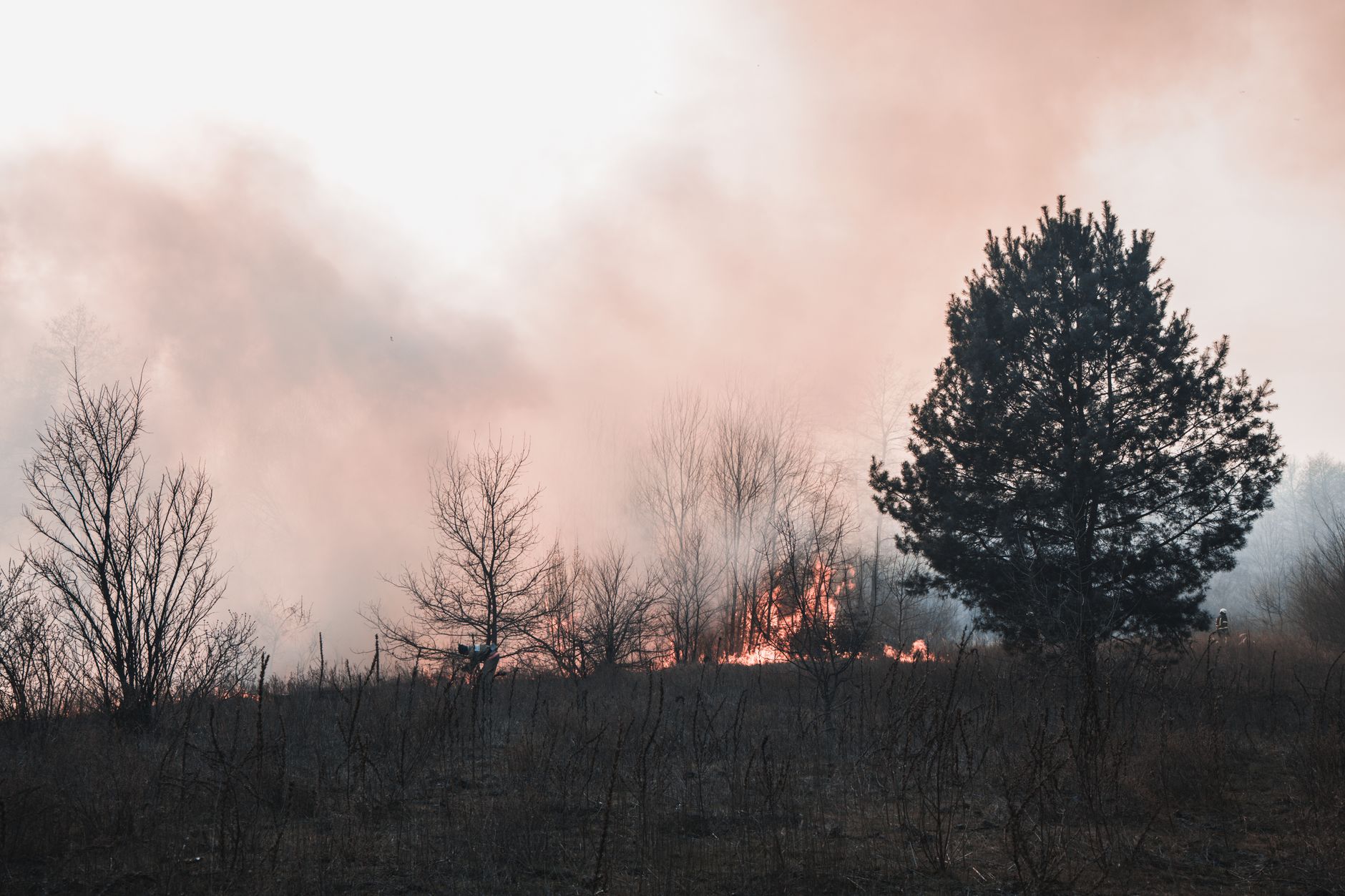
The sharpest increases have landed in states with the highest disaster exposure. Coastal states facing hurricane risk and inland states sitting in severe storm corridors have seen the most dramatic year-over-year changes. Wildfire-prone states in the West have faced a separate but equally steep set of increases, in some cases driven not just by higher premiums but by the withdrawal of standard carriers pushing homeowners into state-backed insurers of last resort.
Those last-resort plans – sometimes called FAIR Plans – typically offer narrower coverage at higher prices than standard market policies. When a homeowner loses access to the private market, moving onto a FAIR Plan often means paying more for less protection. That dynamic is now playing out at scale in states like California and Florida, where private insurer retreats have been most pronounced.
What This Means for Homeowners and the Broader Market
For individual homeowners, the record premium environment creates immediate financial pressure. A policy that renewed without issue for years may now carry a materially higher price tag, and in some cases the previous insurer has simply declined to renew at all. Shopping for alternatives is harder in markets where competition has thinned, and switching coverage mid-mortgage cycle can complicate escrow arrangements that assume stable insurance costs.
The earnings implications for the insurance industry itself are substantial. Carriers that managed underwriting discipline through the worst loss years are now in a position to push through rate increases that restore and in some cases expand margins. Property and casualty insurers that held firm on pricing during the soft market years, or that reduced exposure in the highest-risk states before major loss events, are benefiting from a market that has moved in their direction. Investors tracking the sector have noticed – insurance stocks have reflected the expectation of improved underwriting profitability as rate increases outpace claims growth.
For insurers still operating in disaster-prone states, the challenge is threading a narrow path: pricing high enough to remain solvent through future loss events without triggering regulatory pushback or accelerating the customer flight that has already destabilized some state markets. State insurance commissioners in several high-risk markets have historically resisted large rate increases, which creates friction between carriers trying to price actuarially and regulators trying to protect affordability. That tension has not resolved – it has intensified.
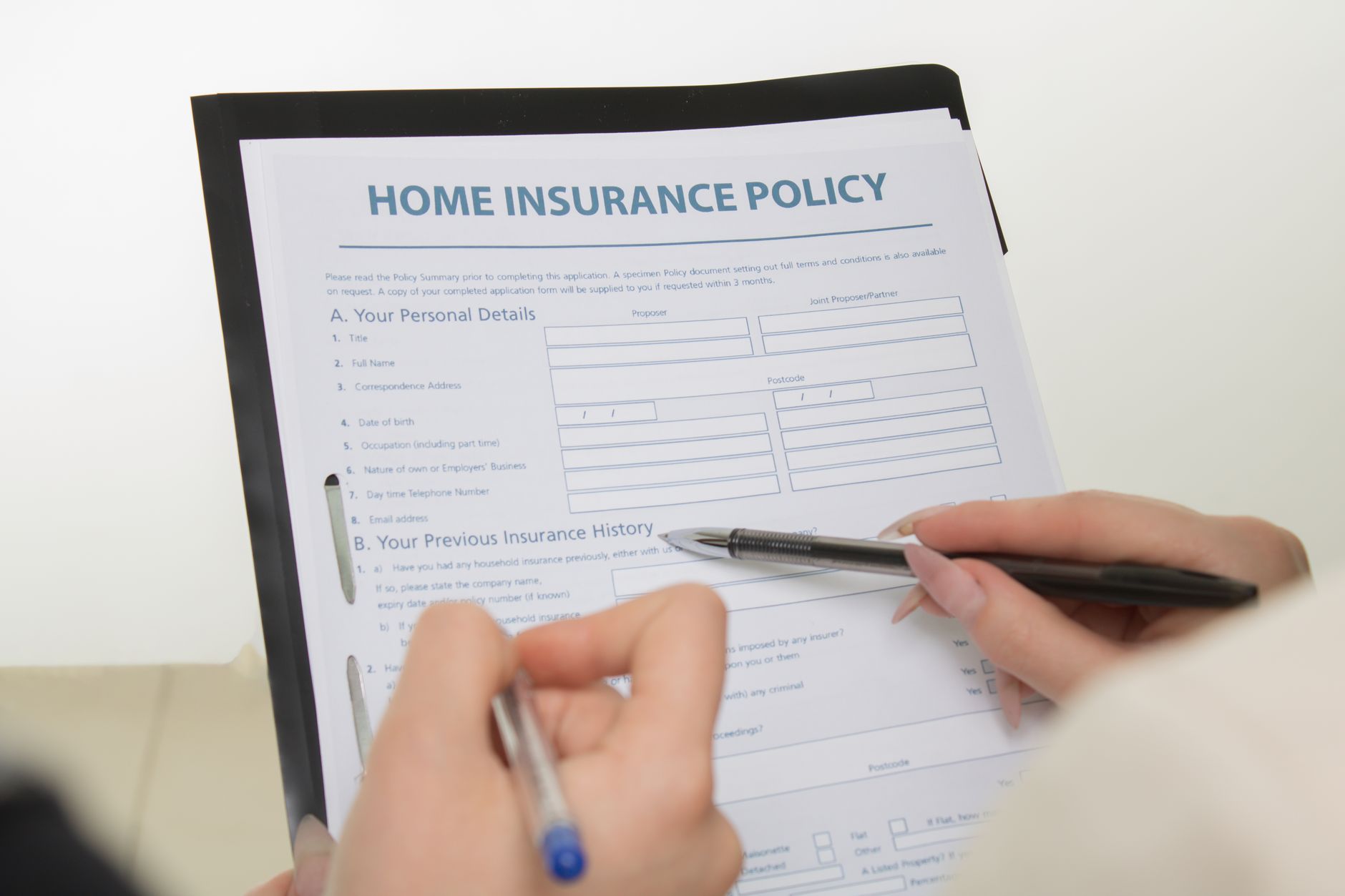
Homeowners caught between rising premiums and shrinking insurer options face a narrowing set of choices. They can absorb higher costs, reduce coverage limits to lower premiums, raise deductibles to make annual costs more manageable, or – in the most extreme cases – reconsider where they own property altogether. Each of those choices carries its own financial consequence, and none of them addresses the underlying reason premiums are rising in the first place: the disasters keep coming, and rebuilding keeps getting more expensive. If the frequency of large-scale loss events holds at recent levels or increases, the current record highs may look, in a few years, like a relatively affordable moment to have locked in coverage.