




The Electric Revolution Hits Hotel Parking Lots
Major hotel chains are discovering that their vast parking lots represent untapped goldmines in the electric vehicle era. What started as a guest amenity has evolved into a significant revenue stream, with properties generating thousands of dollars monthly from charging networks while positioning themselves as destinations for the growing EV market.
Marriott International leads the charge with over 3,000 charging stations across North America, partnering with ChargePoint and Tesla to offer both standard and premium charging options. The hotel giant reports that properties with EV charging see occupancy rates increase by an average of 8%, as business travelers specifically seek accommodations with reliable charging infrastructure.

Premium Pricing Models Drive Profitability
Hotels are implementing sophisticated pricing strategies that go far beyond simple electricity costs. Many properties charge premium rates during peak hours, with some locations commanding $0.40 to $0.60 per kilowatt-hour compared to residential rates of $0.12 to $0.15.
Hilton’s recent expansion includes 20,000 Tesla charging ports across its portfolio by 2025, with the company revealing that charging stations generate an average profit margin of 40%. The key lies in strategic placement and pricing – hotels position chargers as premium amenities rather than basic utilities.
Best Western has pioneered the “charging package” model, bundling overnight stays with guaranteed charging access for $25 to $50 additional per night. This approach has proven particularly successful with road-trip travelers and business guests who view the convenience as worth the premium.
Strategic Partnerships Create Network Effects
The most successful hotel charging programs involve partnerships with established networks rather than independent installations. Hyatt’s collaboration with Electrify America provides access to high-speed DC charging at over 500 properties, with revenue-sharing agreements that reportedly generate $2,000 to $5,000 monthly per location for busy urban hotels.
These partnerships offer multiple revenue streams beyond direct charging fees. Hotels receive installation incentives, ongoing maintenance support, and data analytics that help optimize pricing and usage patterns. Some properties also earn referral fees when guests sign up for charging network memberships during their stays.

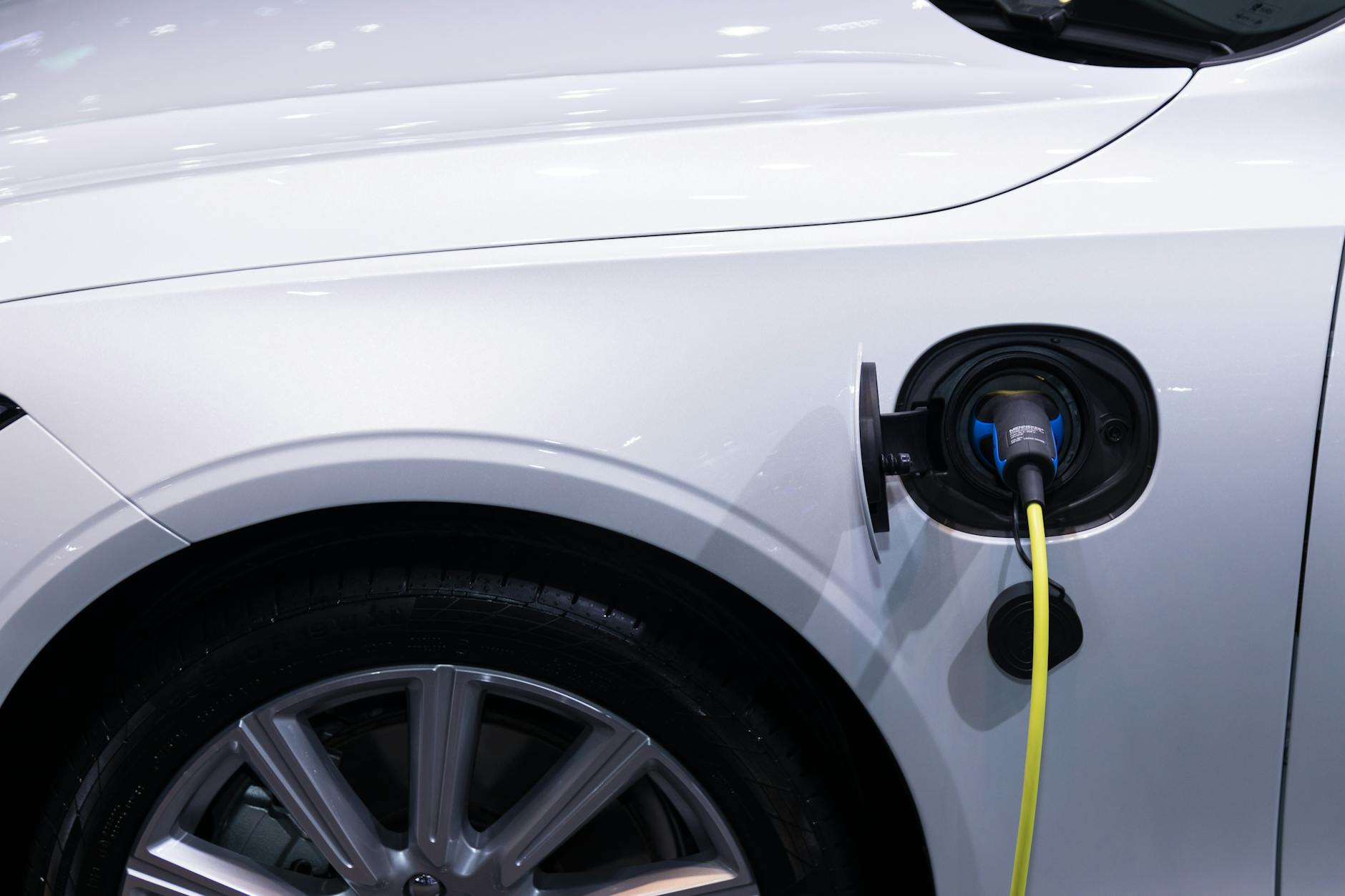
Extended stay hotels have found particular success with workplace charging models. Residence Inn properties near corporate campuses offer monthly charging subscriptions to local employees, creating steady revenue streams that extend beyond traditional hospitality guests. This approach mirrors how major furniture retailers are monetizing interior design consultation services by expanding beyond core offerings.
Destination Charging Creates Customer Loyalty
Hotels are leveraging charging infrastructure to transform brief stops into extended stays. Properties along major interstate corridors report that EV drivers often extend visits to allow for complete charges, spending additional money on food, beverages, and entertainment.
Embassy Suites has documented this phenomenon at its highway locations, where EV guests average 2.3 hours longer stays than traditional guests, resulting in increased ancillary revenue from restaurants and shops. The company now markets its charging stations as “power and dine” destinations.
Resort properties have taken this concept further, integrating charging into leisure experiences. Some luxury resorts offer “charging concierge” services, where staff move vehicles between chargers and activities, allowing guests to maximize both their vacation time and vehicle range.


The data-collection aspect provides additional value. Hotels gain insights into guest travel patterns, preferred charging times, and spending behaviors, enabling more targeted marketing and dynamic pricing strategies. This information proves valuable for everything from restaurant staffing to event planning.
Future Growth Trajectory
Industry analysts project that hotel EV charging revenue will exceed $2 billion annually by 2028, driven by increasing EV adoption and strategic network expansion. Hotels are positioning themselves not just as accommodations but as essential infrastructure in the electric transportation ecosystem.
The most forward-thinking properties are already planning for next-generation technologies, including wireless charging pads and ultra-fast charging stations that can add 200 miles of range in 15 minutes. These investments today are creating competitive advantages that will compound as EV adoption accelerates, turning parking lots into profit centers that rival traditional hotel revenue streams.
Frequently Asked Questions
How much revenue do hotels make from EV charging?
Busy urban hotels reportedly generate $2,000 to $5,000 monthly per location through charging networks and premium pricing strategies.
Do hotels charge more for EV charging than home rates?
Yes, many hotels charge $0.40-$0.60 per kilowatt-hour compared to residential rates of $0.12-$0.15, positioning charging as a premium amenity.