




Guest financial advisor Ben Carlson recently outlined the mounting challenges investors face when selecting individual stocks, particularly as market valuations reach historically elevated levels.

The Growing Case Against Single Stock Bets
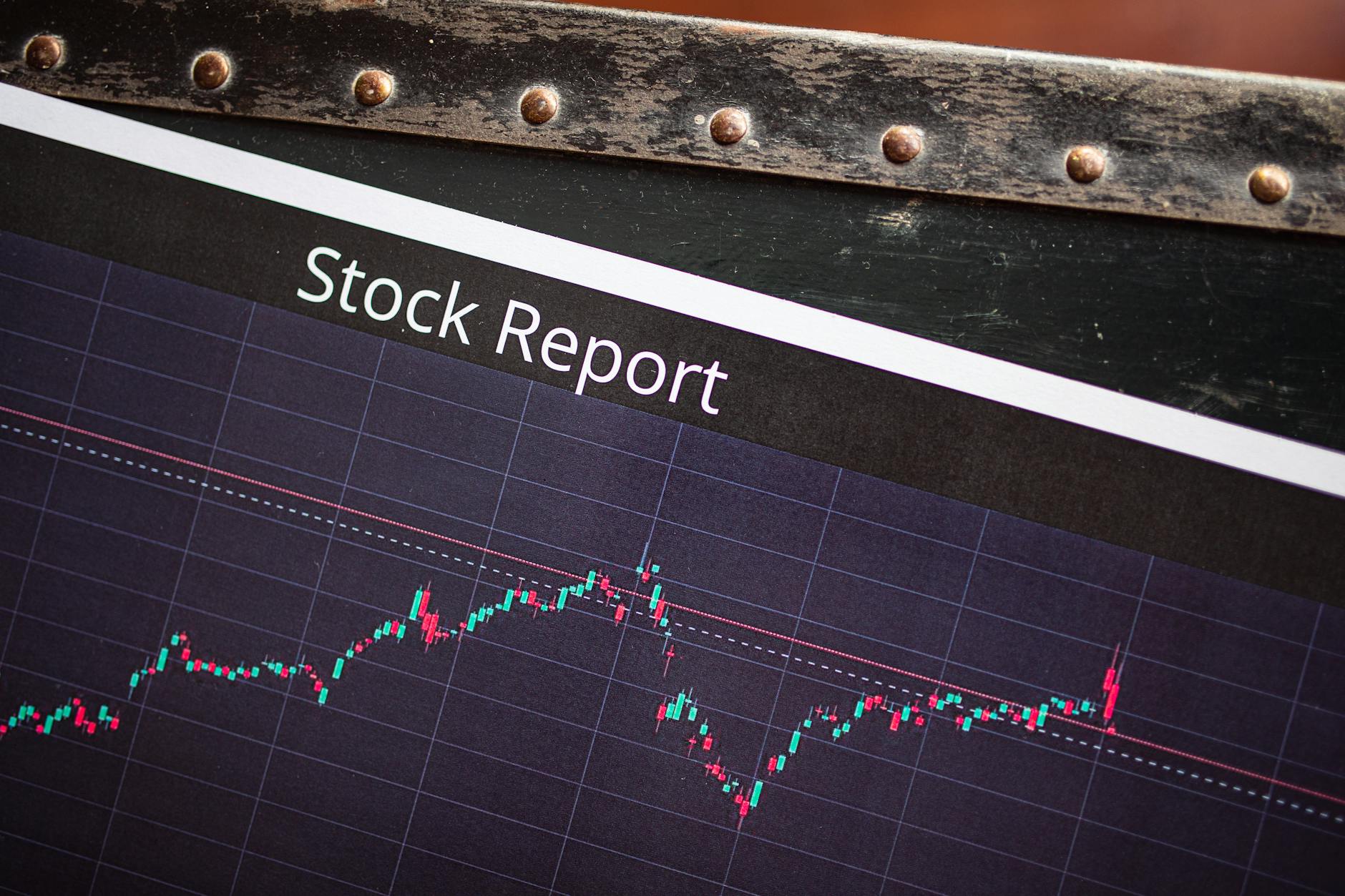
Carlson highlighted several factors that make individual stock selection increasingly difficult in current market conditions. High valuations across multiple sectors have compressed the margin of safety that value investors traditionally relied upon. When stocks trade at premium multiples, the probability of significant losses increases while potential returns diminish.
The concentration of market gains in a handful of mega-cap technology stocks has created additional complications. Investors who missed the rally in companies like Apple, Microsoft, and Nvidia often feel pressure to chase performance by picking the next potential winner. This behavior typically leads to poorly timed entries and disappointing results.
Market volatility has also intensified the emotional challenges of stock picking. During sharp declines, individual stock holders face the dual pressure of watching their specific holdings fall while questioning whether to sell, hold, or buy more. This decision becomes exponentially more complex when managing multiple individual positions rather than diversified funds.
Carlson emphasized that even professional fund managers struggle to consistently outperform broad market indices. If investment professionals with research teams and institutional resources find stock selection challenging, individual investors face even steeper odds of success.
Balancing Present Enjoyment With Future Security
The discussion turned to one of personal finance’s most persistent dilemmas: how much money to save versus spend on current lifestyle. Carlson addressed the tendency among disciplined savers to over-optimize for retirement at the expense of present-day experiences and quality of life.
This balance becomes particularly acute for high earners who can afford to save substantial percentages of their income. While maximizing retirement contributions makes mathematical sense, it can lead to an overly austere lifestyle during peak earning years. The key lies in finding a sustainable savings rate that funds future goals without creating resentment or extreme lifestyle restrictions.
Carlson suggested that savers consider their personal discount rate – essentially how much they value present consumption versus future wealth. Some individuals naturally prefer delayed gratification and find satisfaction in watching investment accounts grow. Others derive more utility from travel, experiences, or lifestyle upgrades in their current situation.

The advisor also noted that life circumstances change unpredictably. Health issues, family obligations, or career shifts can alter both earning capacity and spending needs. Striking a balance helps ensure that individuals don’t sacrifice too much present happiness for a future that may unfold differently than planned.
For those struggling with this balance, Carlson recommended the “pay yourself first” approach – automatically directing a predetermined percentage to savings while freely spending the remainder. This system removes the constant decision-making burden while ensuring both present and future needs receive attention.
Career Guidance for the Next Generation
When discussing advice for young adults entering the workforce, Carlson emphasized the importance of developing transferable skills over chasing specific industries or job titles. The modern economy rewards adaptability more than narrow specialization, particularly as technology continues reshaping entire sectors.
He suggested that parents encourage their children to focus on fundamental capabilities like critical thinking, communication, and problem-solving rather than pursuing trendy career paths that may become obsolete. These core competencies remain valuable regardless of industry changes or economic shifts.

The conversation highlighted a persistent tension in investment strategy: individual stock selection offers the tantalizing possibility of market-beating returns but carries significantly higher risks and requires considerably more time and expertise than most investors possess. Meanwhile, the pressure to optimize every financial decision can paradoxically lead to suboptimal life outcomes if taken to extremes.