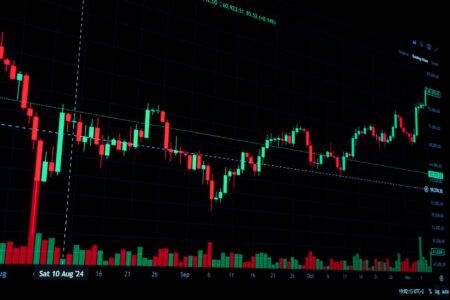




The S&P 500’s decade-long dominance appears to be waning as international stock markets gain momentum across multiple regions.


Performance Gap Widens Beyond U.S. Borders
Foreign equity markets have delivered superior returns compared to domestic indexes throughout 2024, with developed and emerging market funds posting double-digit gains. The trend marks a notable reversal from the previous decade when U.S. stocks consistently outperformed their international counterparts. European markets have particularly benefited from stabilizing inflation rates and improving corporate earnings, while Asian markets gained ground on China’s economic stimulus measures.
Currency fluctuations have amplified these returns for U.S. dollar-based investors. The dollar’s relative weakness against major currencies has boosted the value of international holdings when converted back to dollars. This currency tailwind, combined with attractive valuations in foreign markets, has created a compelling investment environment outside traditional U.S. equity exposure.
Market analysts point to several structural factors supporting continued international outperformance. Many foreign markets trade at significant discounts to U.S. valuations, with price-to-earnings ratios well below historical averages. Additionally, international companies often provide greater exposure to cyclical sectors and value-oriented investments that have lagged during the growth-focused bull market of the past decade.
The concentration risk within U.S. indexes has become increasingly apparent as technology megacaps dominate market weightings. International diversification offers exposure to different sectors, business cycles, and monetary policies that can reduce portfolio volatility while potentially enhancing long-term returns.
Ten ETF Options for Global Market Access
The Vanguard Total International Stock ETF (VTIAX) provides broad exposure to both developed and emerging markets through a single fund. This low-cost option tracks thousands of international stocks with minimal annual fees, making it suitable for investors seeking comprehensive global diversification. The fund’s market-cap weighting ensures exposure to the largest international companies while maintaining broad geographic distribution.
For developed market focus, the iShares MSCI EAFE ETF (EFA) concentrates on European, Australasian, and Far Eastern markets. This fund excludes emerging markets and North America, providing pure exposure to mature international economies. Its sector allocation differs significantly from U.S. indexes, with higher weightings in financials, industrials, and consumer goods companies that benefit from global economic growth.
The Vanguard FTSE Developed Markets ETF (VEA) offers another developed market option with extremely low expense ratios. This fund tracks a broader universe of developed market stocks compared to EFA, including mid-cap companies that provide additional diversification benefits. Its comprehensive approach captures value opportunities across multiple developed economies while maintaining cost efficiency.

Emerging market exposure comes through the Vanguard FTSE Emerging Markets ETF (VWO), which provides access to rapidly growing economies across Asia, Latin America, and other developing regions. These markets often exhibit higher volatility but offer greater growth potential as their economies mature and expand. The fund’s low costs make it an efficient vehicle for capturing emerging market returns over extended time periods.
Regional specialists include the iShares MSCI Europe ETF (IEV) for European market exposure and the iShares MSCI Pacific ex Japan ETF (EPP) for Asia-Pacific investments excluding Japan. These targeted approaches allow investors to capitalize on specific regional themes or economic cycles. The Xtrackers MSCI World ex USA ETF (URTH) provides global developed market exposure while explicitly excluding U.S. companies, creating a clean complement to domestic holdings.
Timing and Implementation Considerations
Dollar-cost averaging into international positions helps smooth out currency volatility and market timing risks. Many investors allocate between 20% to 40% of their equity holdings to international markets, though optimal allocations vary based on individual circumstances and risk tolerance. The current environment of attractive international valuations and weakening dollar trends suggests favorable conditions for building these positions gradually.
Tax considerations also favor certain international ETF structures, particularly for investors in higher tax brackets. Some funds qualify for foreign tax credits that can offset withholding taxes applied by foreign governments, effectively reducing the total tax burden on international investments. But will regulatory changes or shifting geopolitical tensions disrupt these market dynamics before international outperformance can fully materialize?