




Pakistan’s foreign ministry hosted Iran’s senior diplomatic delegation this week to examine economic implications of the ongoing regional conflict involving the United States and Israel. The discussions centered on potential ceasefire frameworks that could stabilize trade routes and investment flows across South Asian markets.
Regional commerce has faced mounting pressure as geopolitical tensions escalate. Energy prices, shipping costs, and cross-border trade volumes between the neighboring nations have fluctuated significantly since hostilities began.


Trade Corridor Vulnerabilities Emerge
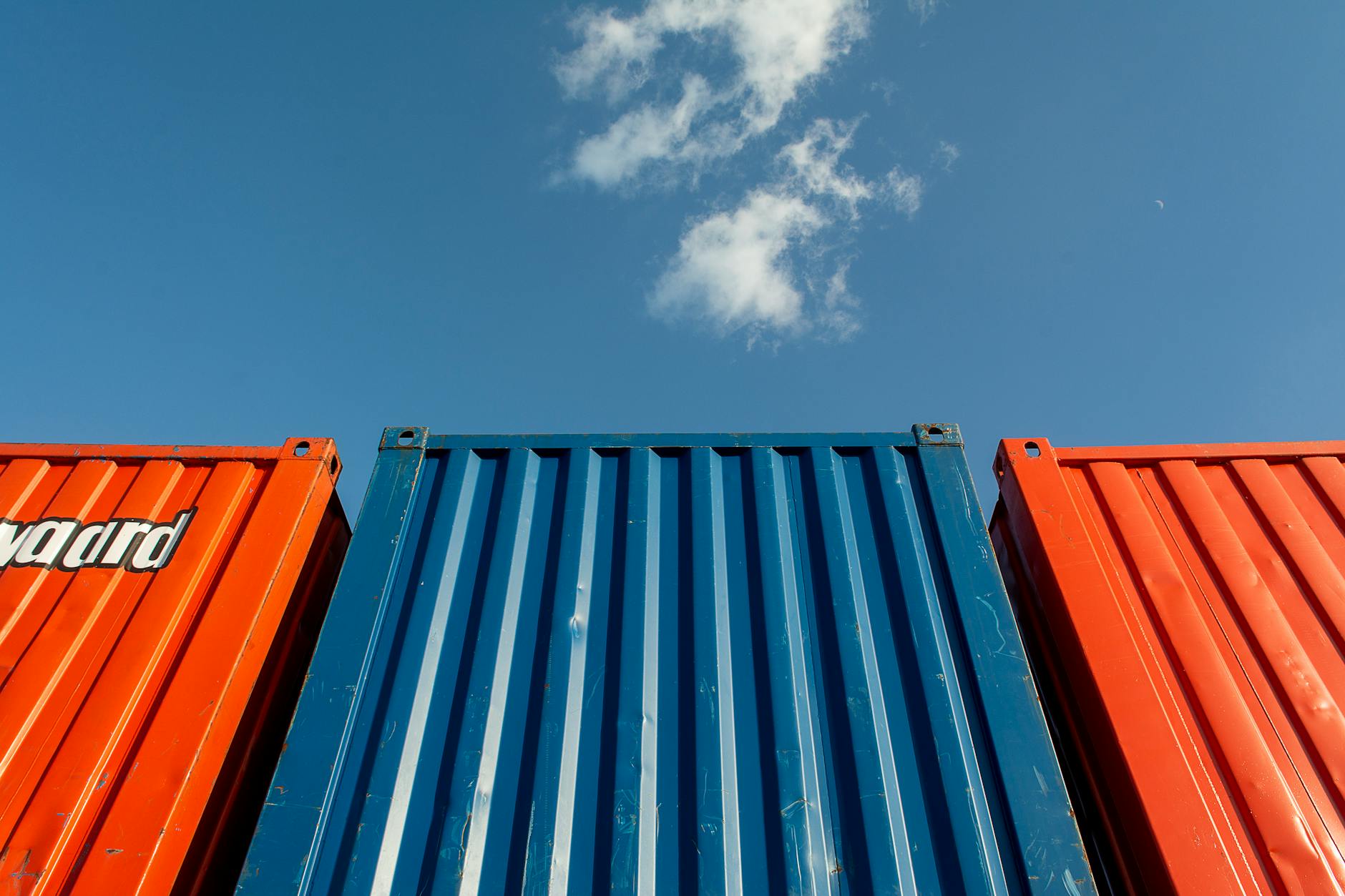
The Iran-Pakistan border represents a $2.5 billion annual trade relationship that spans energy exports, agricultural products, and manufacturing goods. Current instability threatens established supply chains that connect Central Asian markets to Arabian Sea ports.
Pakistani officials emphasized the economic urgency behind diplomatic solutions. Energy imports from Iran constitute roughly 15% of Pakistan’s total consumption, while Pakistani rice and textile exports flow through Iranian territory to reach European markets. Both countries depend heavily on these established commercial pathways.
Banking restrictions and payment processing delays have already emerged as immediate concerns. International sanctions frameworks complicate routine business transactions, forcing traders to seek alternative settlement mechanisms. Several Pakistani companies reported delayed payments for goods shipped to Iranian buyers, creating cash flow problems across multiple sectors.
Infrastructure Investment at Risk
The China-Pakistan Economic Corridor project, valued at $62 billion, includes significant infrastructure development near the Iranian border. Construction timelines and security assessments now face potential revisions based on regional stability conditions.
Iranian port facilities at Chabahar, designed to compete with Pakistan’s Gwadar port for Central Asian trade access, represent another economic consideration in current diplomatic calculations. Both nations recognize how prolonged conflict could redirect regional commerce toward alternative routes through Turkey or the Persian Gulf states.
Market Response and Currency Pressures
Pakistan’s rupee has shown volatility against major currencies as investors assess regional risk factors. The Karachi Stock Exchange energy sector declined 3.2% over the past two weeks, reflecting uncertainty about future Iranian energy supplies and pricing structures.
Foreign exchange reserves face additional strain as Pakistan maintains diplomatic neutrality while managing economic relationships with conflicting parties. The State Bank of Pakistan has increased monitoring of cross-border transactions to ensure compliance with international financial regulations.
Iranian rial fluctuations create pricing complications for Pakistani importers who rely on medium-term contracts for energy and raw material purchases. Several textile manufacturers in Punjab province reported production planning difficulties due to uncertain input costs from Iranian suppliers.
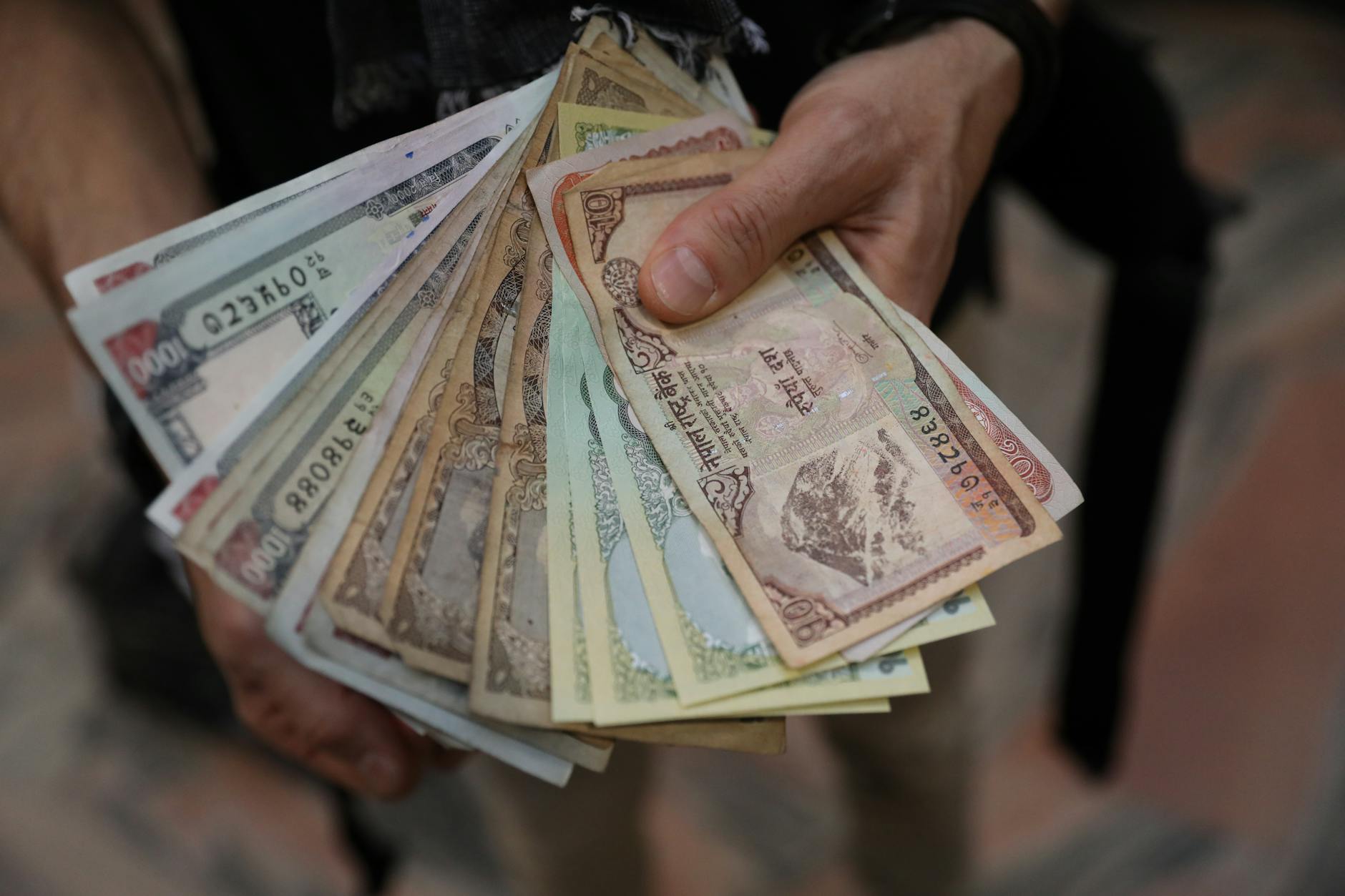
Regional financial institutions now evaluate exposure levels to both Iranian and Pakistani markets as diplomatic discussions continue. The Asian Development Bank has indicated potential support for infrastructure projects that enhance regional stability, contingent on political resolution of current tensions.
Will economic interdependence prove strong enough to drive meaningful ceasefire negotiations, or will political considerations override commercial interests in determining the final outcome?