


A Second Front for Energy Markets
Global attention has locked onto the Strait of Hormuz as the flashpoint most likely to send oil prices spiraling, but another conflict is already doing damage that commodity markets are only beginning to price in. The war in Ukraine has knocked significant Russian refining capacity offline, and the resulting diesel shortages are rippling through fuel and food supply chains in ways that have received far less coverage than the Middle East standoff.
Russia’s refinery outages – caused by Ukrainian drone strikes targeting fuel infrastructure deep inside Russian territory – are creating what analysts have described as a massive impact on global diesel supplies. Diesel is not a niche industrial product. It moves freight, powers farm equipment, and runs the generators that keep food cold in transit. When diesel gets expensive or scarce, the effects show up in trucking rates, fertilizer distribution costs, and eventually grocery prices.
What the Refinery Strikes Actually Disrupted
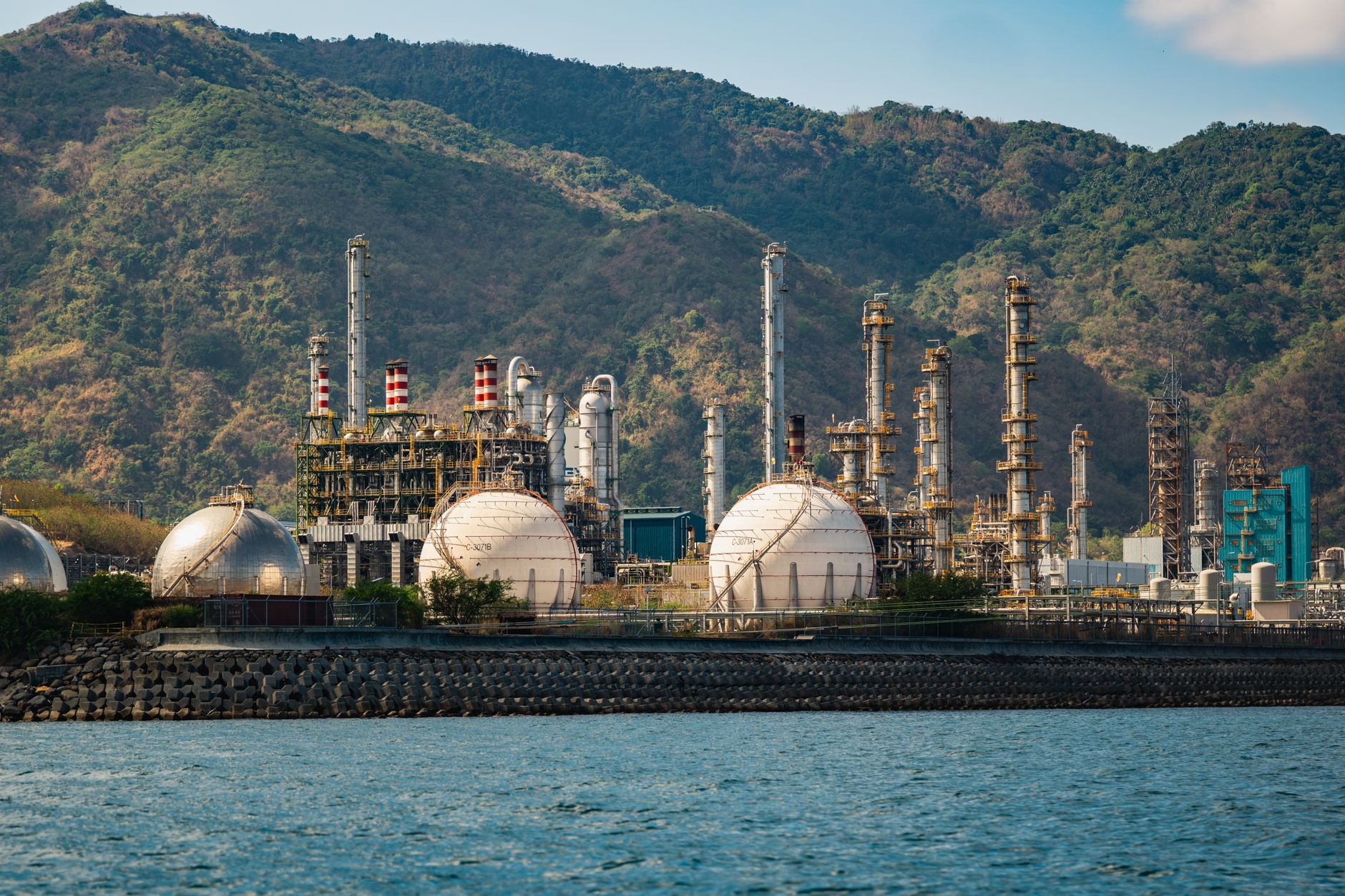
Ukraine’s drone campaign against Russian oil infrastructure has hit refineries in Saratov, Ryazan, Nizhny Novgorod, and other regions far from the front lines. These are not marginal facilities. Russia is one of the world’s largest diesel exporters, and the lost output has to be absorbed somewhere – either by cutting Russian domestic supply or by reducing exports to countries that depend on them. Neither outcome is neutral for global markets.
The timing compounds the problem. European nations spent much of 2022 and 2023 scrambling to replace Russian energy products after the invasion of Ukraine prompted sanctions and voluntary embargoes. Diesel was one of the hardest categories to replace because Russian grades and European refinery inputs were tightly matched over decades of trade. Alternative supplies from the United States, the Middle East, and India have partially filled the gap, but not completely – and any fresh disruption to Russian output tightens a market that was already running lean.
Refinery damage from drone strikes is also categorically different from the kind of supply disruption that comes from sanctions or export restrictions. A sanctioned barrel can theoretically be rerouted. A refinery that has been hit by a strike and taken offline for weeks or months is simply not producing. The output is gone until repairs are completed, which in wartime conditions means timelines are uncertain and replacement parts may themselves be subject to export controls.
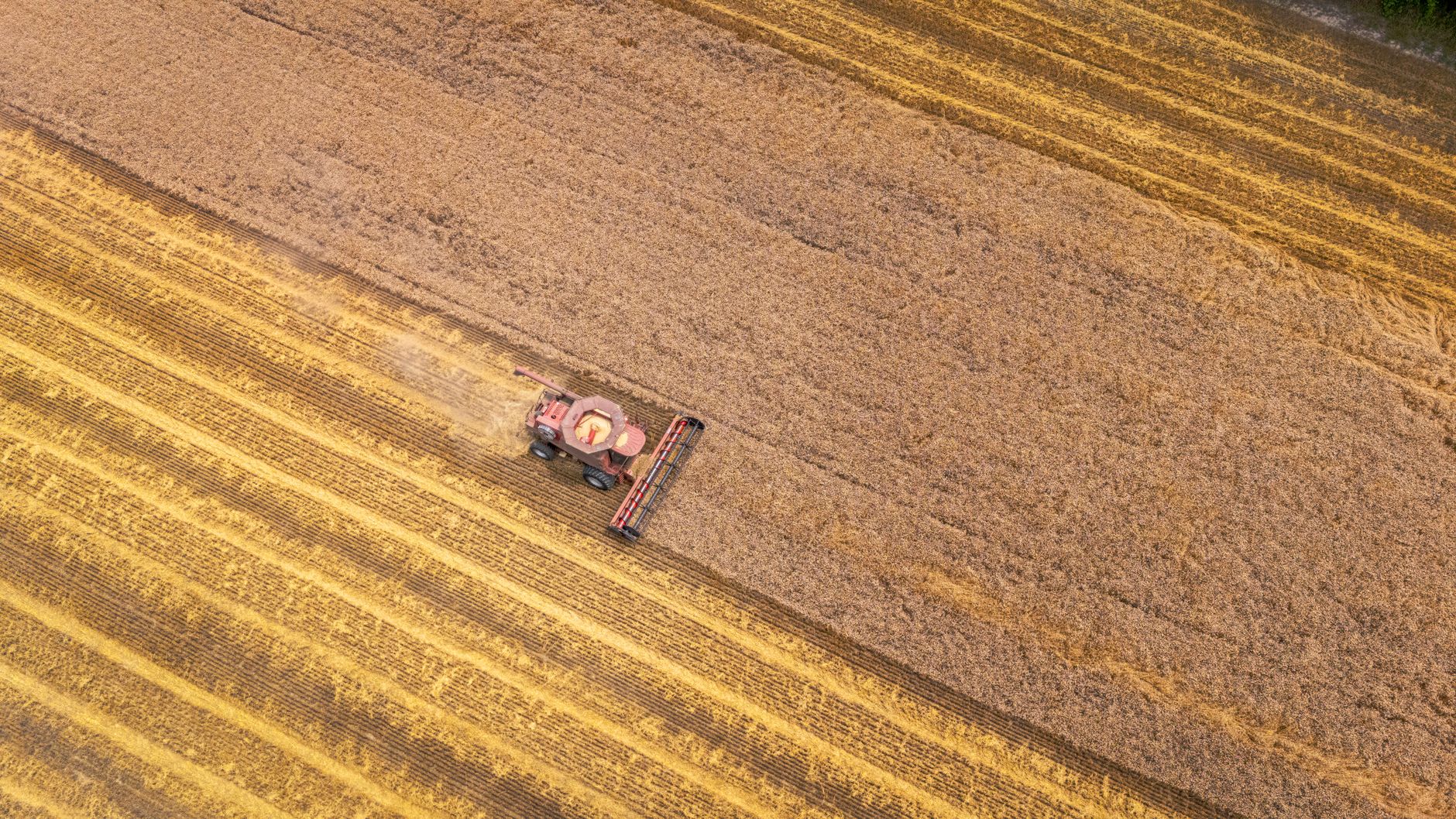
The knock-on effect for food prices runs through diesel’s role in agricultural logistics. Planting and harvesting equipment runs on diesel. So do the trucks that carry grain from inland farms to port terminals, and the ships – many using heavy fuel oil derived from the same refining process – that carry grain across oceans. Higher diesel costs raise the cost of producing food even before a single price increase shows up on a retail shelf.
Hormuz Overshadows, But Doesn’t Replace, the Russian Risk
The Hormuz conversation is legitimate. Roughly 20% of the world’s oil passes through the strait, and any military escalation between Iran and Western-aligned forces could choke supply in ways that dwarf the Russian refinery problem. But the fixation on that scenario has created something of a blind spot. The Russian disruptions are not hypothetical – they are happening now, and the diesel supply shock is already embedded in current market conditions, not priced as a tail risk.
With oil prices and inflation already pressing on financial markets, a sustained reduction in diesel availability adds another layer of cost pressure that central banks cannot address through interest rate policy. Diesel supply is a physical constraint, not a monetary one.
The Earnings Dimension Companies Are Starting to Flag
For companies reporting earnings across transportation, agriculture, and food manufacturing, diesel costs have become a recurring line item in executive commentary. Trucking and logistics firms that locked in fuel hedges before the latest round of refinery disruptions are sitting in a better position than those buying spot fuel. The spread between hedged and unhedged operators has widened, and analysts covering freight-intensive businesses are increasingly asking whether guidance accounts for a diesel market that could stay tight through the second half of the year.
Agricultural input companies face a related problem. Fertilizer production and distribution both depend heavily on diesel, and farm operators who are already managing thin margins after several years of input cost inflation do not have significant room to absorb another sustained fuel shock. If planting-season diesel costs run materially higher than what farm budgets assumed, the response is typically to reduce applied inputs – which eventually affects yields and, further down the chain, food prices.
Food manufacturers and grocery retailers are watching the freight side of the equation. Distribution costs are a meaningful share of the delivered cost of packaged goods, and any sustained increase in trucking rates – which track diesel prices with a lag – flows through to what brands charge wholesale and what retailers charge consumers. Several large food companies have already flagged logistics costs as a pressure point in recent quarters, and the Russian refinery situation gives that pressure a structural backing that does not resolve quickly.
None of this means the Hormuz risk is overstated. It means the market is managing two simultaneous supply threats with very different characters – one active and already drawing down inventories, one still potential but severe enough in its hypothetical scale to dominate the headlines. The question for anyone watching fuel and food costs is which of these scenarios their supply chain is actually exposed to, and whether their hedging and procurement strategies were built for one threat or both.