


Asia’s Markets Push Higher on AI Momentum
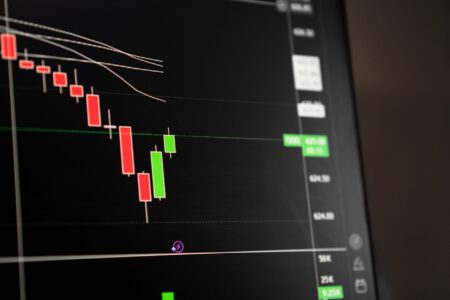
Stock markets in Japan and South Korea climbed to fresh record highs this week, driven by sustained investor enthusiasm around the artificial intelligence boom. Oil prices also gained ground as traders balanced optimism in tech-heavy Asian equities against unresolved tension in the Middle East.
The advances underscore how AI spending expectations continue to flow through global markets, lifting benchmarks far from Wall Street and into exchanges across Asia that have deep exposure to semiconductor and hardware supply chains feeding the technology’s growth.

What’s Moving Prices
The rally in Japanese and South Korean equities is not happening in isolation. Both markets carry significant weight in AI-adjacent industries – South Korea through its dominant memory chip manufacturers, Japan through precision equipment makers and electronic components suppliers. When investors price in a longer or more intensive AI buildout, the demand signal runs directly through these economies, and their benchmark indices tend to reflect that quickly.
Oil prices rising alongside equity gains creates an unusual combination. Typically, climbing energy costs act as a drag on corporate margins and consumer spending, which can dampen stock performance. The fact that both moved upward together points to how two distinct forces – AI-driven industrial optimism and Middle East supply anxiety – are operating on markets at the same time without yet canceling each other out. The electricity and energy demands tied to AI infrastructure are themselves becoming a pricing factor that makes oil and energy assets harder to dismiss as purely geopolitical plays.
Investor attention on Iran adds another layer of uncertainty to oil’s trajectory. The prospect of a ceasefire extension is being watched carefully – not because peace reduces risk overnight, but because any breakdown in negotiations could send supply fears higher and push crude prices sharply upward in a short window.
The Iran Factor Hanging Over Energy Markets
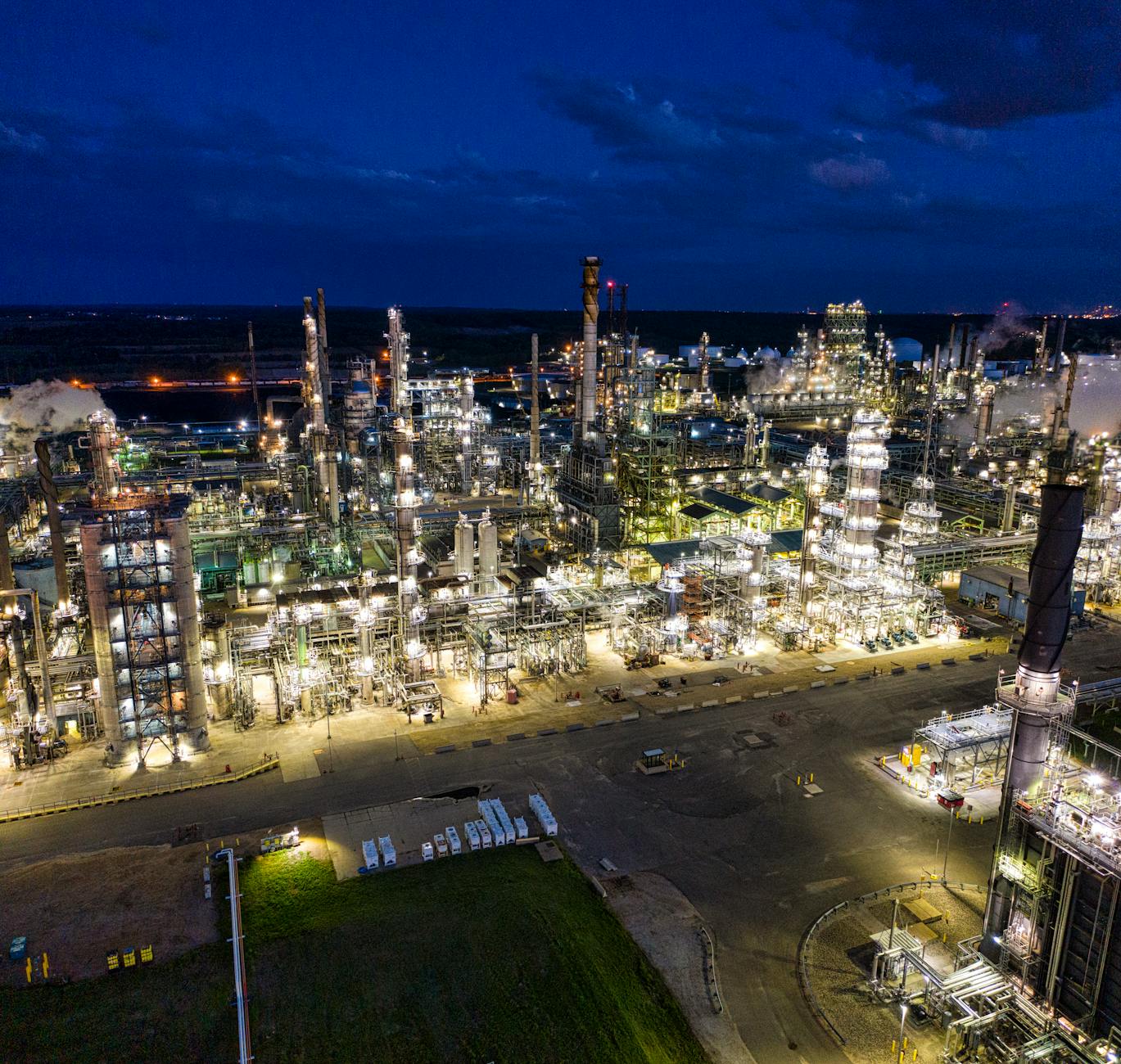
Investors are currently awaiting a decision on whether a ceasefire involving Iran will be extended. That single variable is holding a degree of oil market pricing in suspension.
Iran sits along the Strait of Hormuz, a narrow waterway through which a significant share of global oil shipments pass. Any military escalation that threatens that corridor tends to spike crude prices quickly, as traders price in potential supply disruption before any actual disruption occurs. The current situation keeps that risk premium alive in energy markets regardless of what equity indices do.
Reading the Records in Context
Record highs in Japan and South Korea are notable, but they carry different textures. Japan’s equity market spent decades stagnant before its recent run, meaning its records reflect a structural rerating of how investors value Japanese corporate governance and earnings power – not just a short-term sentiment pop. South Korea’s market, meanwhile, is heavily indexed to a handful of large technology and chip conglomerates, making its record highs tightly coupled to semiconductor cycle expectations and AI order flows.
The enthusiasm around AI has proven more durable as a market catalyst than many analysts initially expected. Capital expenditure announcements from major technology companies continue arriving at scale, each one signaling sustained demand for the chips, servers, cooling systems, and networking equipment that companies in Japan and South Korea manufacture or supply. That spending pipeline is what keeps these equity markets moving even when geopolitical noise, currency swings, and interest rate uncertainty create friction elsewhere.
Oil’s concurrent rise reflects a market trying to hold two things at once – confidence in industrial demand growth from AI and uncertainty about whether energy supply chains remain stable. Neither force has overpowered the other yet, which is partly why stocks and crude have moved in the same direction rather than trading against each other.
What investors are now watching is whether the ceasefire decision on Iran produces clarity or extends the ambiguity – because an unresolved standoff near the Strait of Hormuz, set against record-high equity markets priced for continued growth, is the kind of combination that tends not to stay quiet for long.