


A Nervous Open Ahead of Wall Street’s Biggest Week
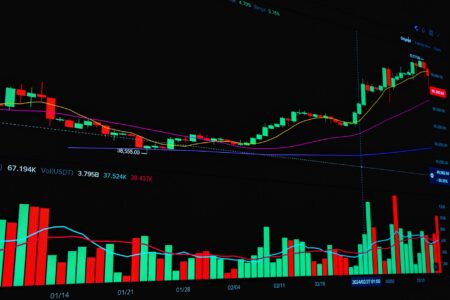
Nasdaq futures fell on Tuesday as investors pulled back from AI chip stocks, rattled by two concerns that have been building for months: the sheer scale of corporate spending on artificial intelligence infrastructure, and a Chinese technology sector that is closing the competitive gap faster than many on Wall Street had anticipated. The drop came at a moment when the market could least afford uncertainty – with earnings from some of the largest companies in the United States set to land within days.
The cautious mood was not confined to U.S. markets. Global markets reflected the same hesitation, suggesting the anxiety around AI chip valuations has moved beyond a domestic conversation into something investors worldwide are actively pricing in.

What Is Spooking the AI Trade
The concern over corporate spending is not abstract. Companies across sectors have committed enormous capital budgets to AI-related infrastructure – data centers, chips, energy systems – and the question hanging over earnings season is whether that spending will translate into revenue growth that justifies the outlay. When companies report this week, analysts will be watching capital expenditure figures as closely as top-line revenue, looking for any signal that the return on AI investment is materializing at the pace that current stock prices assume.
Chinese competition adds a different kind of pressure. Domestic AI chip development in China has accelerated, with companies working around U.S. export restrictions to build out alternative supply chains and semiconductor capabilities. That progress threatens to erode the pricing power and market dominance that American chip companies have built their valuations on. Every credible advance from a Chinese competitor effectively chips away at the premium the market assigns to U.S. AI hardware leaders.
Together, the two pressures create a specific kind of investor discomfort – not a fear that AI is a failed bet, but a fear that the economics of the trade are more complicated than the stock prices from the past two years implied. Spending goes up, competition increases, and margins face pressure from both directions at once.
Earnings Season as a Reality Check
What makes this Tuesday’s futures decline particularly worth watching is the timing. Major Wall Street earnings are imminent, and the companies reporting include some of the most direct beneficiaries of the AI spending wave. Their results will either validate the current level of investor optimism or force a reassessment. Markets were already navigating elevated oil prices and inflation data this week, which means earnings are arriving into an environment where risk appetite was already under strain before Tuesday’s futures move.
A single strong earnings report from a chip-adjacent company could stabilize sentiment quickly. But if the numbers confirm that capital expenditure is outrunning revenue growth – or that pricing pressure is already showing up in margins – the sell-off in Nasdaq futures Tuesday morning could look like an early signal rather than an overreaction.
The Broader Market Mood
Global markets mirroring the U.S. caution matters because it narrows the range of explanations. When a decline stays contained to one exchange or one sector, it is easier to attribute to a specific catalyst. When it spreads across geographies, it points to a shift in how investors collectively feel about a theme – in this case, AI’s near-term financial story.
The AI trade has been one of the most reliable sources of market momentum since late 2022. The Nasdaq’s gains over that period were heavily concentrated in companies tied to chip manufacturing, data infrastructure, and software platforms built on large language models. A sustained pullback in that trade would not just affect the companies directly involved – it would weigh on index-level returns that millions of retail and institutional portfolios depend on.
For now, futures are the indicator to watch. They reflect positioning ahead of the open, not a verdict on the full trading day. But the direction on Tuesday morning – down, on AI chip worries, before earnings – tells you something about where investor confidence actually sits versus where the headlines about AI have suggested it should be.
The companies reporting earnings this week will answer that question more definitively than any futures movement can. Whether those answers are reassuring depends entirely on what the spending numbers actually show.

If capital expenditure figures come in higher than expected without a corresponding lift in revenue guidance, the Tuesday futures drop will look less like pre-earnings jitters and more like the market starting to do the math it avoided for two years.