




Defense contractor Lockheed Martin has watched its stock price decline steadily as investors react to underwhelming quarterly sales figures. The company’s revenue shortfall reflects timing issues with major defense contracts rather than fundamental business problems.
Wall Street analysts remain divided on whether the current weakness represents a buying opportunity or signals deeper structural challenges.
The stock’s persistent downward trajectory has frustrated long-term shareholders who expected steady growth from America’s largest defense contractor.


Revenue Timing Creates Near-Term Headwinds
Lockheed’s latest quarterly results showed sluggish sales growth that disappointed investors expecting stronger performance from defense spending increases. The company’s revenue recognition patterns often create lumpy quarterly results, particularly when large government contracts experience delivery delays or milestone adjustments. Military procurement cycles typically involve complex approval processes that can shift revenue between quarters without affecting overall contract values.
Several major programs contributed to the revenue shortfall. The F-35 fighter jet program, Lockheed’s largest revenue generator, faced production bottlenecks that delayed aircraft deliveries to international customers. Additionally, certain missile defense contracts experienced technical reviews that postponed milestone payments into future quarters.
Management emphasized that these delays represent timing rather than cancellations. Government customers maintained their commitment to existing contracts while continuing discussions about additional orders. The company’s backlog of unfulfilled orders actually increased during the quarter, suggesting future revenue growth remains intact despite current delivery challenges.
Defense Spending Environment Supports Long-Term Outlook
Global military spending continues rising as nations modernize their defense capabilities and respond to geopolitical tensions. The United States maintains its position as the world’s largest defense spender, with bipartisan congressional support for military modernization programs. NATO allies have increased defense budgets following regional security concerns, creating additional export opportunities for American defense contractors like Lockheed.
The company’s diversified portfolio spans multiple defense categories including fighter aircraft, missiles, space systems, and cybersecurity solutions. This breadth provides stability when individual programs face temporary setbacks. Recent contract awards in hypersonic weapons development and satellite communications demonstrate the company’s ability to win next-generation defense programs that could drive growth for decades.

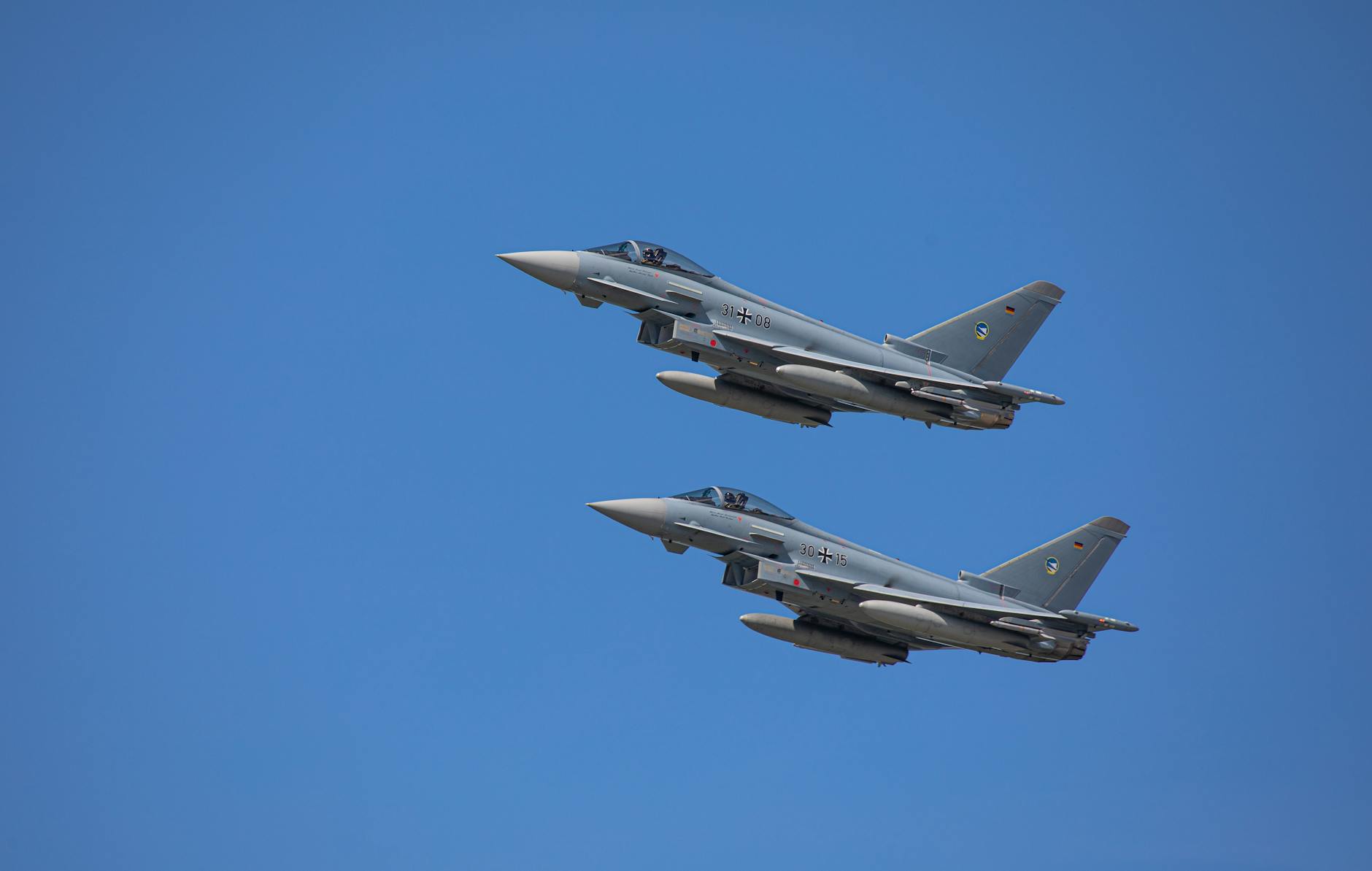
International sales represent a growing portion of Lockheed’s business as allied nations purchase American-made defense systems. The F-35 program alone involves multiple international partners who have committed to purchasing hundreds of aircraft over the coming years. These foreign military sales often carry higher profit margins than domestic contracts and provide currency diversification benefits.
Market Concerns May Be Overdone
The stock’s decline appears disproportionate to the company’s actual business challenges. Lockheed maintains strong cash flow generation and has consistently returned capital to shareholders through dividends and share buybacks. The company’s debt levels remain manageable relative to its stable government contract revenue base.
Some investors worry about potential defense budget cuts if political priorities shift toward domestic spending programs. However, defense spending has remained relatively stable across different political administrations, with both parties recognizing the importance of military readiness. Current geopolitical tensions actually support continued or increased defense investments rather than budget reductions.
Technical factors may also contribute to the stock’s weakness as momentum-driven selling creates additional downward pressure. Large institutional investors sometimes reduce positions in underperforming stocks regardless of fundamental value, creating opportunities for contrarian investors willing to look past short-term volatility. The company’s strong competitive position and essential role in national security suggest the current price decline may prove temporary once revenue growth resumes.

Lockheed’s next quarterly earnings report will likely determine whether recent sales weakness represents an isolated event or the beginning of a longer slowdown – but the company’s guidance suggests contract deliveries should accelerate in coming months.