


Tourism officials at San Francisco’s Pier 39 are witnessing an unexpected economic windfall thanks to an oversized marine mammal. Chonkers, a Steller sea lion whose massive frame dwarfs the California sea lions that typically populate the pier’s docks, has become a major draw for visitors willing to spend money on photos, food, and souvenirs.
The economic impact extends beyond simple foot traffic. Thursday morning crowds demonstrated the creature’s pulling power as tourists lined the railings, cameras in hand, generating the kind of sustained visitor engagement that translates directly into retail sales and restaurant revenue.

Species Distinction Drives Interest
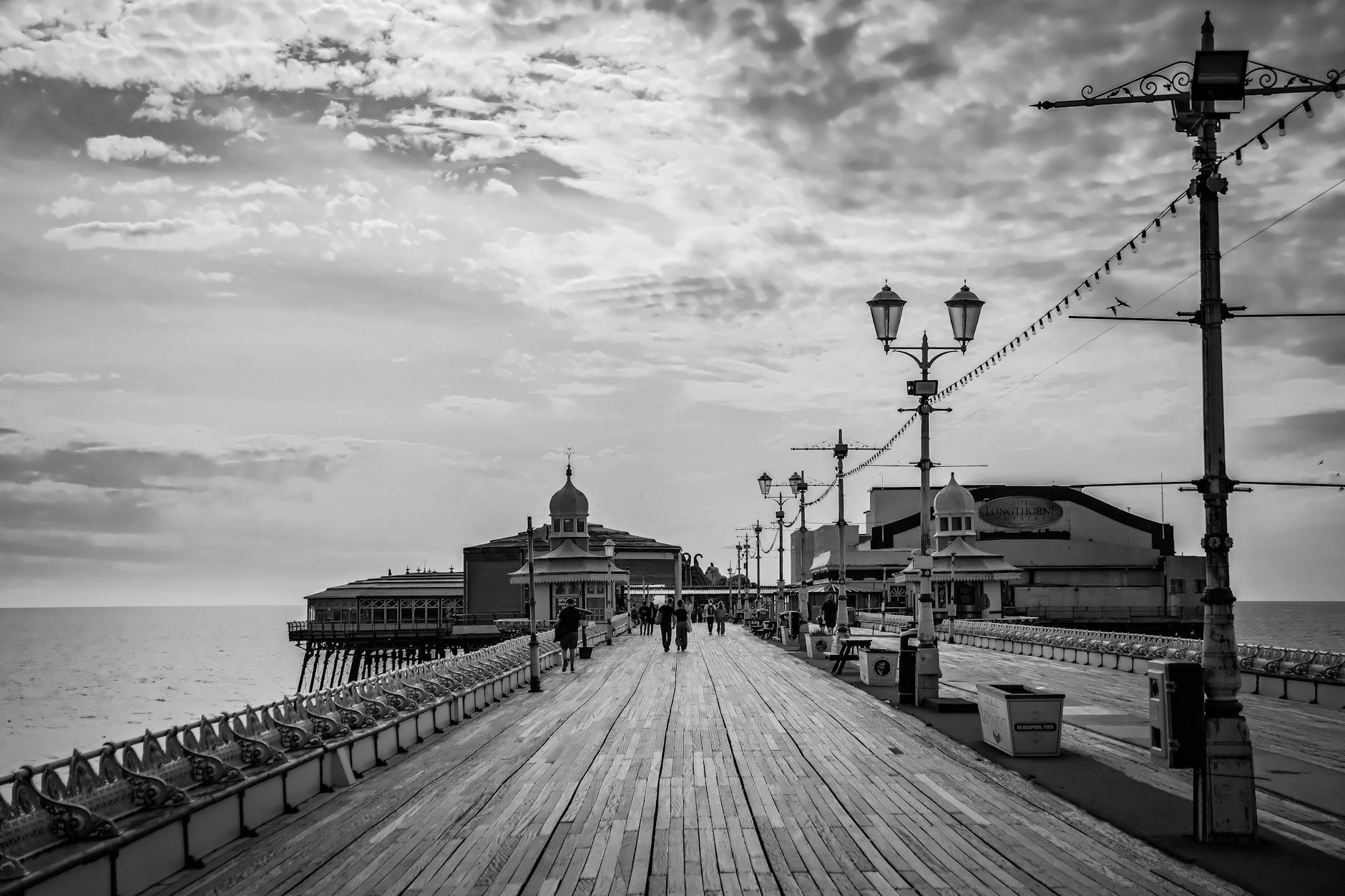
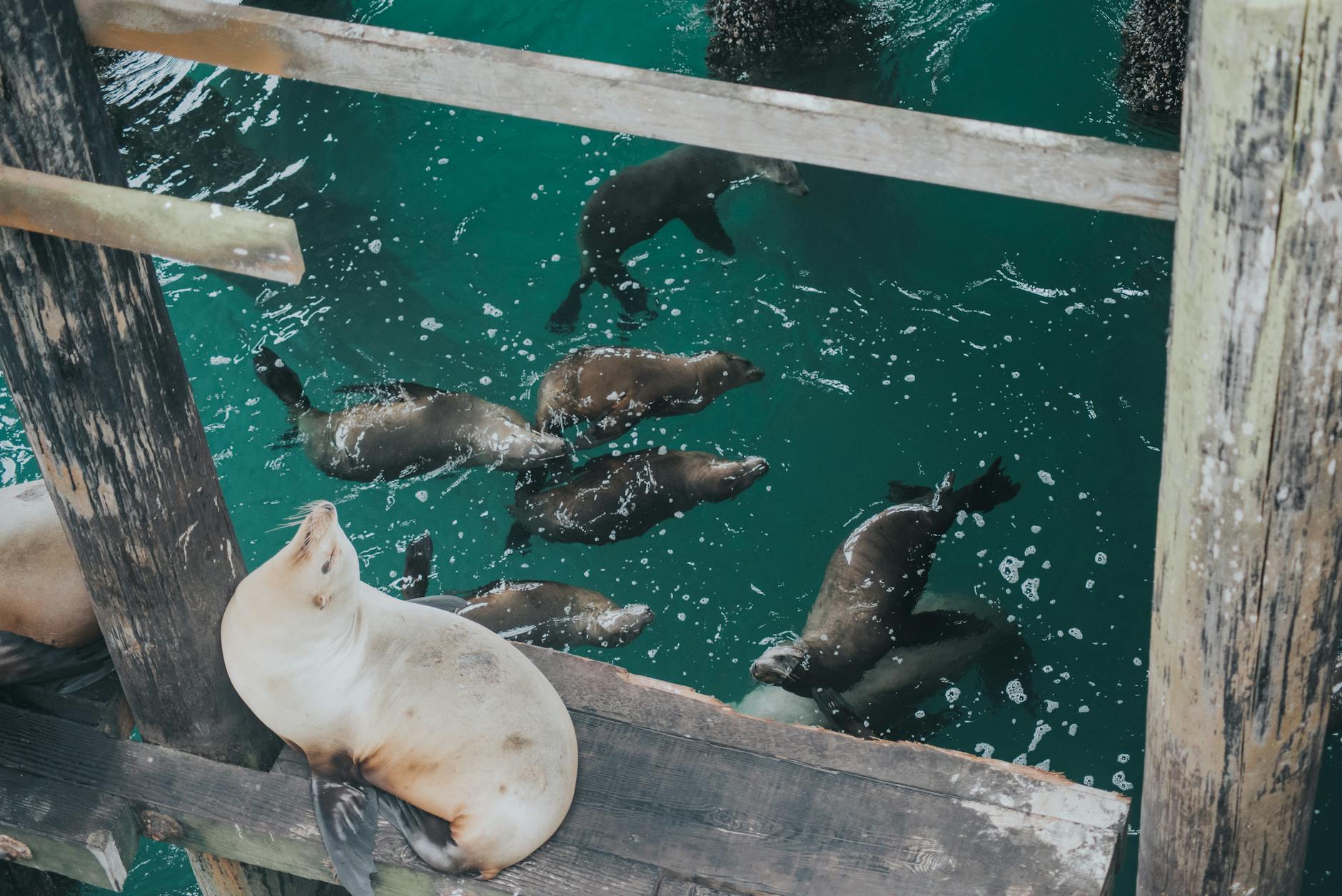
Chonkers stands out not just for size but for rarity at the location. Steller sea lions, which can weigh up to 2,500 pounds compared to California sea lions’ maximum of 770 pounds, rarely venture to Pier 39’s floating docks. The visual contrast creates what tourism experts call a “novelty premium” – visitors stay longer and spend more when experiencing something genuinely unusual.
Local businesses report increased dwell time as visitors wait for optimal photo opportunities. Restaurant managers note table turnover has slowed as diners linger to catch glimpses of the massive marine mammal between courses. Gift shop operators stock sea lion merchandise more aggressively, anticipating demand spikes tied to Chonkers’ appearances.
Economic Multiplier Effects
The phenomenon illustrates how single attractions can generate cascading economic benefits. Pier 39, already a major tourist destination generating approximately $2 billion annually for the San Francisco economy, sees these multiplier effects regularly. However, the spontaneous nature of Chonkers’ visit creates urgency-driven spending patterns typically associated with limited-time events.
Transportation services benefit as word spreads through social media networks. Rideshare drivers report increased requests for Pier 39 destinations, while parking revenues climb as day-trippers arrive hoping to witness the spectacle. Hotel concierges field more requests for pier-adjacent accommodations from guests extending stays specifically to see Chonkers.

Marketing professionals note the organic nature of the attraction eliminates traditional advertising costs while generating authentic content creation. Visitors’ social media posts function as unpaid promotional material, reaching demographics that conventional tourism campaigns struggle to penetrate effectively.
Food vendors capitalize on extended viewing sessions by positioning mobile carts near prime observation areas. The strategy mirrors techniques used during planned events, but with higher profit margins since operational costs remain minimal while demand increases organically.
Wildlife Tourism Economics
Chonkers represents a broader trend in wildlife tourism where individual animals become economic drivers. Similar patterns emerge when unusual wildlife appears in urban settings, creating temporary but significant revenue streams for local businesses.
The phenomenon highlights the economic value of marine ecosystems beyond traditional fishing or shipping industries. San Francisco’s sea lion population, estimated at around 1,700 individuals during peak season, already contributes millions annually to the local economy through routine tourism activity.
Revenue Sustainability Questions
Business owners face the challenge of capitalizing on temporary celebrity while maintaining long-term operational strategies. Chonkers’ visit duration remains unpredictable, as Steller sea lions typically follow seasonal migration patterns that could take him elsewhere without warning.
Smart operators balance immediate opportunity with sustainable practices, avoiding overinvestment in Chonkers-specific merchandise or staffing adjustments that become liabilities once the animal departs. The approach mirrors strategies used for other temporary tourism boosts, from festival seasons to sporting events.

Yet the economic lesson extends beyond individual animal celebrities. Pier 39’s infrastructure, developed over decades to support marine wildlife viewing, provides the foundation that makes such spontaneous attractions profitable rather than merely interesting. Without established visitor facilities, transportation access, and commercial support systems, even the most charismatic megafauna generates limited economic benefit.
The question remains whether Chonkers will establish Pier 39 as a regular stop, potentially creating a predictable seasonal revenue stream, or disappear back into Pacific waters, leaving behind only smartphone videos and a brief spike in quarterly tourism statistics.