



A Split Market Morning
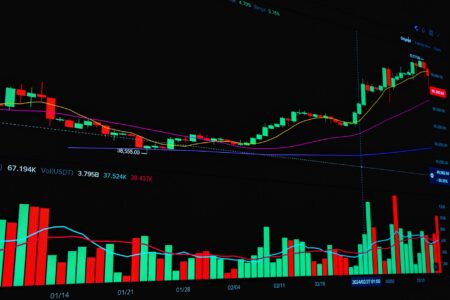
Wednesday’s pre-market session cut the major U.S. indexes in different directions, with S&P 500 and Dow futures edging higher on optimism around a potential Middle East peace development, even as Nasdaq futures struggled under the weight of disappointing investor reactions to otherwise upbeat outlooks from SpaceX and AMD.

Geopolitical Optimism Does the Heavy Lifting
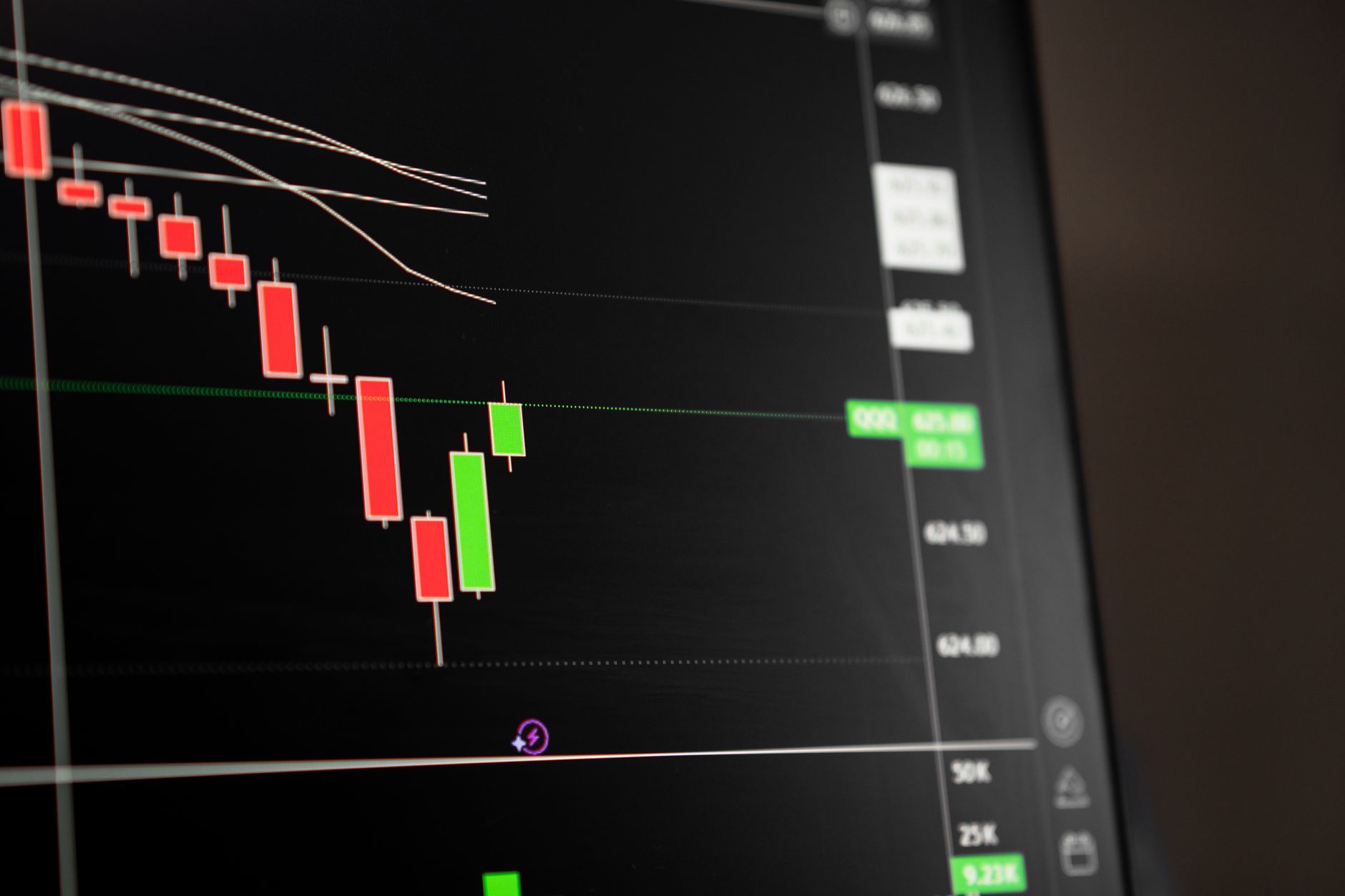
Futures tied to the S&P 500 and the Dow moved modestly upward, driven not by any domestic earnings catalyst or economic data release, but by the possibility of a breakthrough in the Middle East. That kind of geopolitically-driven morning lift is always fragile – it depends on developments that can reverse before markets even open – but for Wednesday, it was enough to keep the broader indexes pointed in a positive direction.
The dynamic illustrates how much global political sentiment has become embedded in daily market behavior. Traders weighed the potential for reduced regional instability, which carries real implications for energy prices, shipping routes, and risk appetite across asset classes. When those signals turn positive, even briefly, capital tends to flow back into equities, particularly the blue-chip-heavy Dow and the broader S&P 500.
Neither index made dramatic moves. “Inch up” is the accurate description – this was not a rally built on conviction. It was a cautious exhale.
The Dow’s composition makes it particularly sensitive to the kind of macro-stability narrative that a Middle East peace signal provides. Large industrials, defense contractors, and multinationals with significant exposure to global supply chains all carry meaningful weight in the index. A calmer geopolitical environment, even a hypothetical one, tends to be read as good news for that mix of companies.
SpaceX and AMD Couldn’t Move the Needle
The more striking story Wednesday morning was in the Nasdaq, where futures lagged despite what should have been favorable winds. Both SpaceX and AMD delivered forecasts that were, by any reasonable measure, upbeat. Investors were not impressed.
This kind of reaction – strong guidance meeting a flat or negative stock response – is a familiar feature of markets where expectations have already been priced in aggressively. When a company’s forward outlook merely confirms what analysts and traders already anticipated, there is no new information to buy. The reaction isn’t pessimism about the business; it’s the market saying it already knew.
AMD has spent considerable time in the spotlight as one of the central beneficiaries of demand for AI-capable chips, a position that has driven its valuation to levels where positive news needs to be genuinely surprising to generate upward momentum. A forecast that reads as “good but expected” simply doesn’t move the stock in a market where the bar has been raised that high.
SpaceX operates in a different category – it is not a publicly traded company in the traditional sense – but its financial disclosures and forward projections still carry significant weight for the broader aerospace and commercial space sector. When SpaceX reports strong expectations and the market shrugs, it signals that investor appetite for growth-oriented, high-multiple names was already stretched heading into the session.
The combined drag from these two high-profile names was enough to keep Nasdaq futures in negative territory, even while the other major indexes nudged upward. That divergence – blue-chip optimism against tech-sector fatigue – defined the morning’s early tone and pointed to a session where sector rotation, rather than broad momentum, would likely be the dominant theme.
What the Divergence Signals
A morning where the S&P 500 and Dow move one way while the Nasdaq moves another is not unusual, but the specific causes here are worth noting. When geopolitical hope outweighs the pull of strong tech forecasts, it suggests investors are, at least temporarily, shifting their attention away from the growth-at-any-price trade and toward stability.
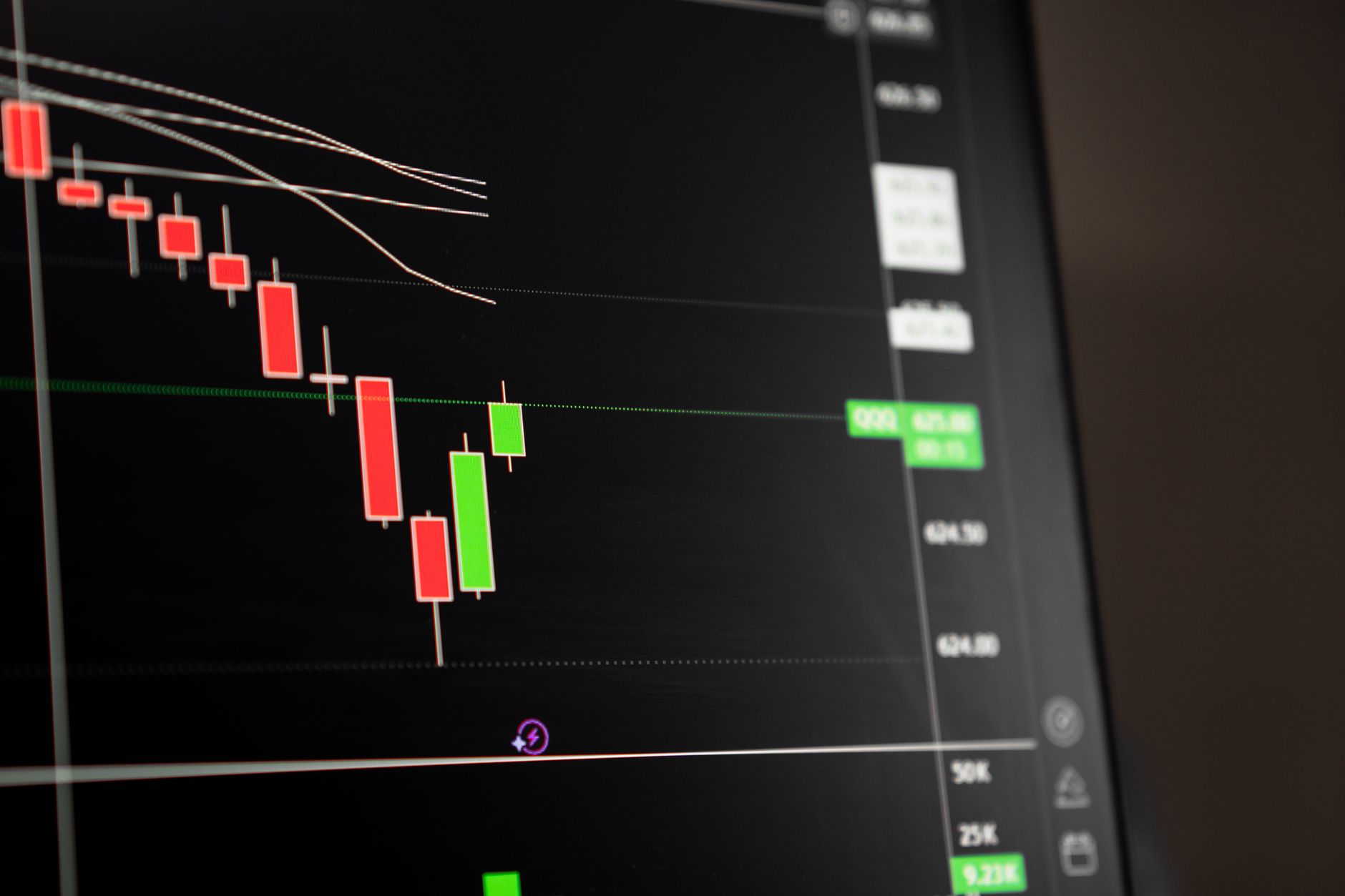
Whether that shift has any staying power depends almost entirely on what happens next with the Middle East situation. If the peace signals fade or fail to materialize into anything concrete, the rationale for the Dow and S&P gains disappears quickly – and the tech sector’s inability to provide a counterweight becomes a bigger problem than it looked at the open.