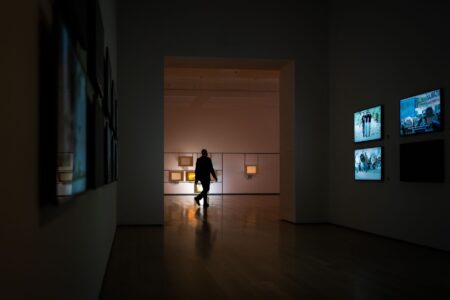




Milan’s annual design week has merged with the city’s furniture fair, creating a major economic force that pulls buyers and industry professionals from across the globe. The convergence represents significant trade activity for Italy’s design sector.
Design enthusiasts worldwide are flocking to the combined event.
The timing creates a concentrated marketplace where manufacturers, retailers, and buyers conduct business worth millions of euros in just days. Italian furniture exports depend heavily on relationships forged during this week, with international contracts often signed on showroom floors between champagne receptions and product launches.

Trade Volume Concentrates in Single Week
The merged events transform Milan into a temporary global design capital, with exhibition spaces stretching across multiple districts. Buyers from major retail chains, independent boutiques, and interior design firms schedule back-to-back meetings with Italian manufacturers and emerging designers. Hotel rates triple during the week, and restaurant reservations become nearly impossible to secure as the design world descends on the city.
International attendance drives substantial revenue for Milan’s hospitality sector. The economic impact extends beyond furniture sales into logistics, shipping, and financial services as orders placed during the event require complex international fulfillment networks.
Many exhibitors report that this single week generates 30-40% of their annual international sales leads. Small Italian workshops use the event to connect with distributors in markets they could never reach independently, while established brands launch products they hope will define trends for the coming year.


Global Design Economy Centers on Milan
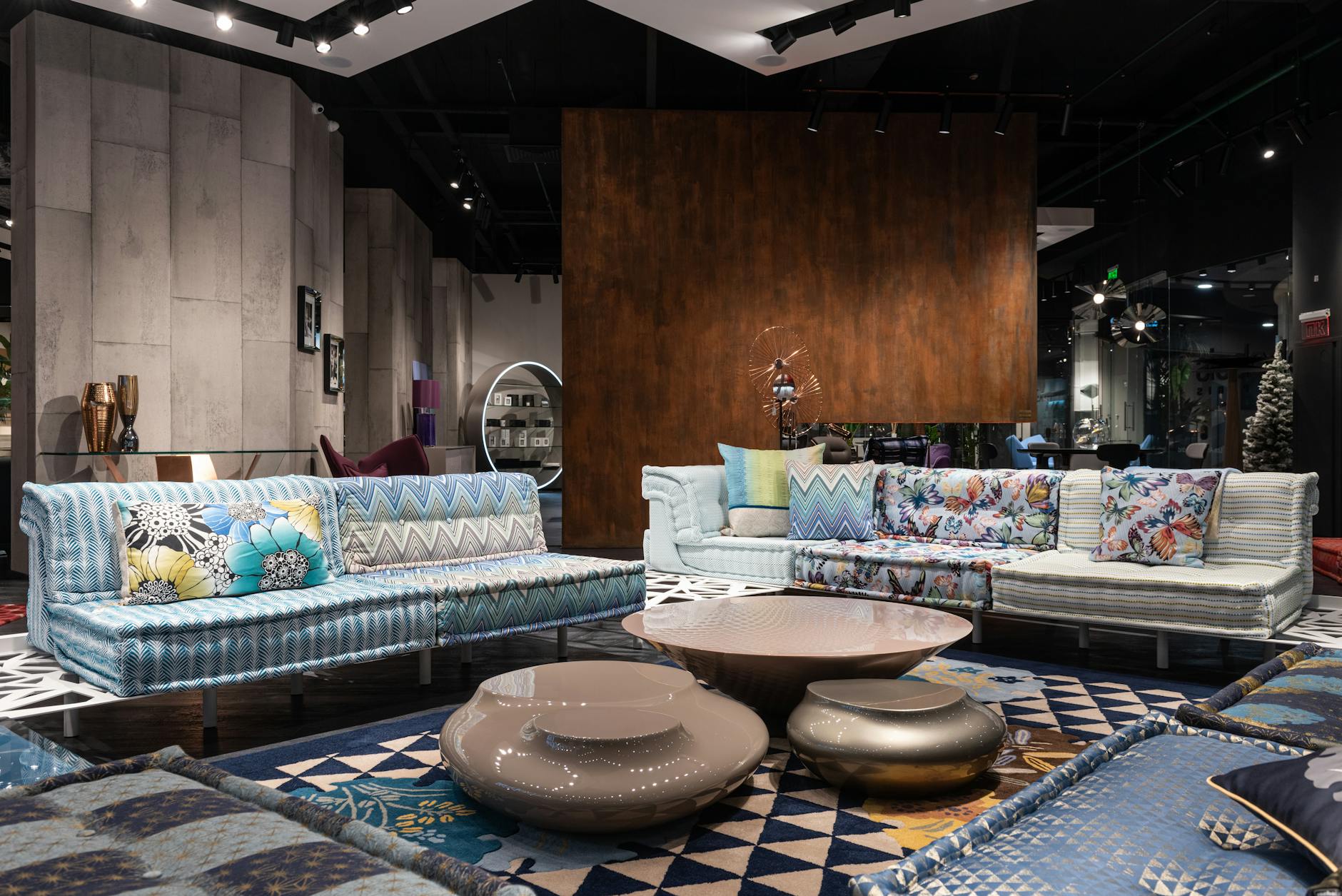
The event’s magnetic pull stems from Milan’s position as a design manufacturing hub, where centuries-old craftsmanship meets contemporary innovation. Buyers appreciate the ability to see, touch, and test products before placing orders that might not arrive in their showrooms for months. The concentrated format allows them to compare offerings from dozens of manufacturers in days rather than months of separate factory visits.
Digital catalogs cannot replicate the experience of running hands along a leather sofa or testing the weight of a chair. This tactile element keeps the physical fair relevant even as e-commerce dominates other industries.
Regional manufacturers from northern Italy’s furniture districts time their production cycles around the event, often revealing new collections exclusively during the week. The pressure to debut products creates a festival atmosphere, but also intense competition for buyer attention among thousands of exhibitors vying for limited time slots in packed schedules.


The success of individual companies often hinges on meetings scheduled months in advance, where a five-minute conversation can determine whether a product line reaches global markets or remains confined to local showrooms.