



Defense Ministry Declares Temporary Combat Halt
Russia’s Defense Ministry announced a unilateral ceasefire in Ukraine coinciding with Victory Day celebrations, which commemorate the Soviet defeat of Nazi Germany in World War II. The timing connects military operations with one of Russia’s most significant national holidays.
This pause comes as military spending continues draining Moscow’s treasury.
The ceasefire declaration represents another intersection of warfare with Russia’s calendar of commemorative events, though previous temporary halts have yielded mixed results for both military objectives and economic planning.

Military Expenditure Strains Budget Resources
Russia’s defense budget has expanded dramatically since the conflict began, with military spending now consuming an outsized portion of government revenues. The finance ministry has redirected funds from infrastructure projects, social programs, and economic development initiatives to sustain combat operations. Energy export revenues, once a reliable source of fiscal stability, face continued pressure from international sanctions and reduced European demand.
Defense contractors have ramped up production schedules to meet wartime requirements. This industrial mobilization has created employment in some regions while drawing workers away from civilian manufacturing sectors. Supply chain disruptions affect everything from semiconductor imports to specialized steel alloys needed for military hardware.
The central bank maintains elevated interest rates to combat inflation fueled partly by increased government spending on defense. Consumer prices for basic goods have risen as resources flow toward military priorities rather than civilian markets.

Victory Day Economics and National Identity
Victory Day traditionally features massive military parades showcasing Russia’s defense capabilities, events that require significant logistical coordination and financial resources. The holiday serves dual purposes as both historical commemoration and demonstration of current military strength to domestic and international audiences.
State media coverage of Victory Day celebrations typically emphasizes continuity between World War II sacrifices and contemporary military actions. This narrative framework helps justify current defense expenditures to Russian citizens facing economic pressures from sanctions and reduced living standards.
Tourism and hospitality sectors experience brief upticks during Victory Day weekends, though overall economic benefits remain limited compared to pre-war levels. Many traditional celebration venues in major cities operate with reduced capacity due to security concerns and resource constraints.
Ceasefire Implications for Market Stability
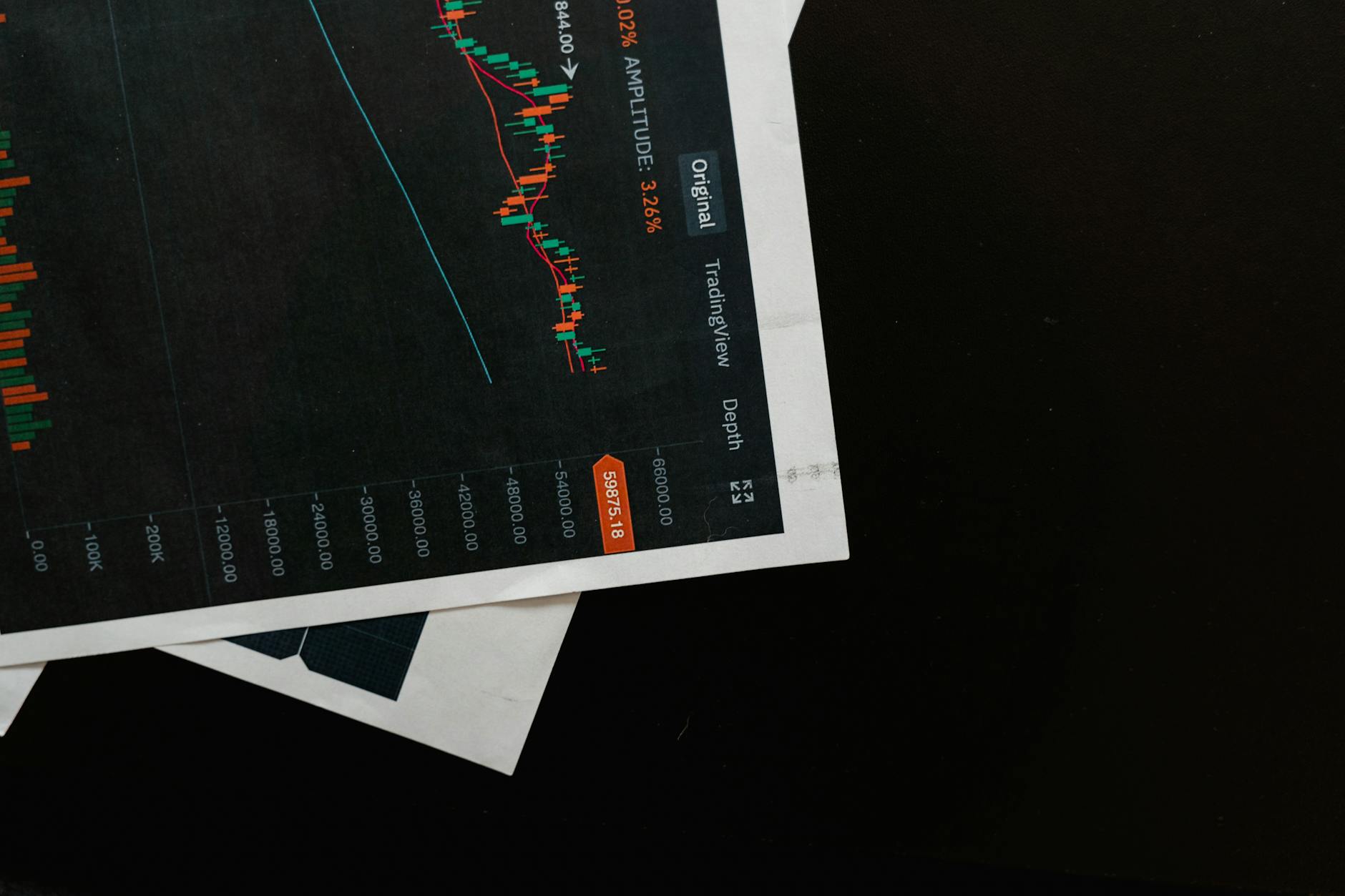
Financial markets often react to military developments with volatility, particularly in energy and commodity sectors where Russia maintains significant influence. Temporary ceasefires can provide brief respites from market uncertainty, though traders typically view such pauses as tactical rather than strategic shifts. The ruble’s exchange rate frequently fluctuates based on military developments and their perceived impact on sanctions duration.
Agricultural exports face continued disruptions regardless of temporary combat pauses, with Ukrainian grain shipments still constrained by security concerns and infrastructure damage. Global food prices remain elevated partly due to reduced supplies from both Ukraine and Russia, major grain exporters whose production capabilities have been compromised by the ongoing conflict.
Whether this Victory Day ceasefire will extend beyond the holiday period remains unclear, leaving businesses and investors to navigate continued uncertainty about Russia’s economic trajectory.