




A Shift in the Geopolitical Temperature
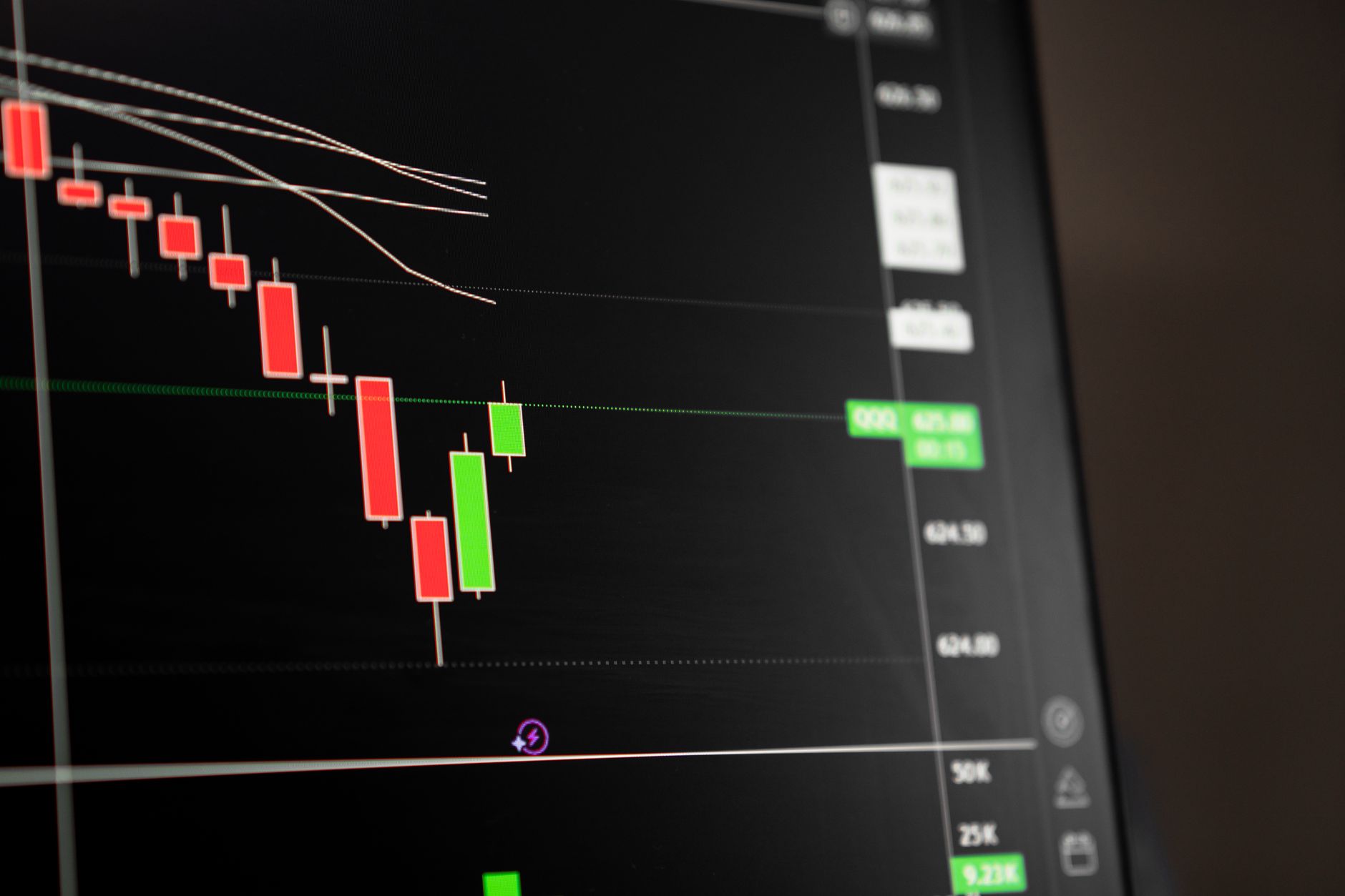
Stock futures surged Monday morning as two forces converged: the busiest stretch of corporate earnings season got underway, and oil prices dropped sharply after the United States and Iran halted their exchange of military strikes. The combination gave markets an opening they moved on quickly.
The pause in hostilities between Washington and Tehran removed, at least temporarily, the risk premium that had been baked into crude prices while the strikes were ongoing. For equity investors watching the situation closely, that reprieve – however fragile – was enough to send futures climbing.

What the Oil Move Actually Means
Oil’s decline on Monday was a direct consequence of the ceasefire in U.S.-Iran military exchanges. When active conflict between major players in or near oil-producing regions de-escalates, traders price out the disruption risk they had previously factored in, and crude falls. That is the mechanical reality behind Monday’s drop, not a sudden shift in supply-demand fundamentals.
Lower oil prices filter through the broader economy in ways that affect both corporate costs and consumer spending. Energy-intensive industries – airlines, shipping, manufacturing – see margin relief when crude pulls back. That read-through to earnings expectations likely contributed to the optimism driving futures higher alongside the geopolitical news. For more on how oil moves have been reshaping market sentiment, see how earlier U.S.-Iran strikes pushed oil higher and hit chip stocks.
Whether the price drop holds depends entirely on whether the pause in strikes holds. Iran and the United States have a history of escalations that come in waves, and oil markets know that. A single incident – a drone, a naval confrontation, a proxy attack – can reverse crude’s direction inside of hours.
Earnings Season Steps Into the Spotlight
Monday also marked the beginning of the most concentrated reporting period of this earnings cycle. The weeks when the bulk of S&P 500 companies release results tend to set the directional tone for equity markets heading into late summer. Investors watching futures on Monday were not just reacting to geopolitics – they were positioning ahead of numbers that will arrive in rapid succession over the coming days.
Corporate earnings reports carry extra weight when macro uncertainty is already elevated. With oil volatility, interest rate questions, and ongoing trade dynamics all in the mix, the guidance companies offer alongside their headline figures will matter as much as the earnings-per-share beats or misses themselves. Revenue outlooks, forward margins, and commentary on consumer demand are the details traders will be parsing closely.
The convergence of easing geopolitical tension and the start of peak earnings week created an unusually clear setup for Monday’s futures move. Both variables pointed in the same direction at the same time, and markets responded accordingly. That kind of alignment is relatively rare – usually one factor is pulling against another.
What remains to be seen is whether the earnings results themselves can sustain the optimism that futures suggested heading into the open. Futures climbing before the bell and stocks holding those gains through the session are two different outcomes, and the distinction matters for investors trying to read Monday’s move as a signal rather than noise.

The Fragility Underneath the Rally
A pause is not a resolution.
The U.S. and Iran have stopped exchanging military strikes – for now. That is the factual basis for Monday’s oil decline and the futures rally built on top of it. But the underlying tensions that produced the strikes have not been negotiated away, signed off on, or formally closed. The word “pause” carries its own risk: it implies resumption is possible, and oil markets will price that possibility back in the moment conditions change.
Investors entering a heavy earnings week on a wave of geopolitical relief are operating in an environment where the floor can shift without warning. The same dynamic that pushed futures higher Monday – a military standdown between Washington and Tehran – could reverse and push crude sharply back up if the standdown ends. Companies reporting earnings this week will do so against that backdrop, and any guidance that factors in energy cost assumptions is implicitly betting the pause holds.
The session Monday will tell investors something about appetite for risk at this particular moment. But the more telling data point may be how markets react midweek, when a fuller picture of earnings results is available and when the silence from the U.S.-Iran front either continues – or doesn’t.