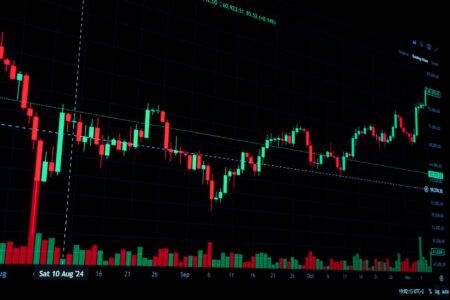



Oil markets reacted swiftly to President Donald Trump’s announcement that he would pause his administration’s latest initiative to partially reopen the Strait of Hormuz. The decision, aimed at creating space for diplomatic negotiations with Iran, triggered an immediate selloff in crude futures during late Tuesday trading.
Trump’s strategic pause represents a calculated move to extend the timeline for reaching a comprehensive agreement that could end the current hostilities with Iran. The announcement caught energy traders off guard, leading to sharp declines across major oil benchmarks as markets digested the implications of delayed action in one of the world’s most critical shipping lanes.
Market Response Reflects Hormuz Importance
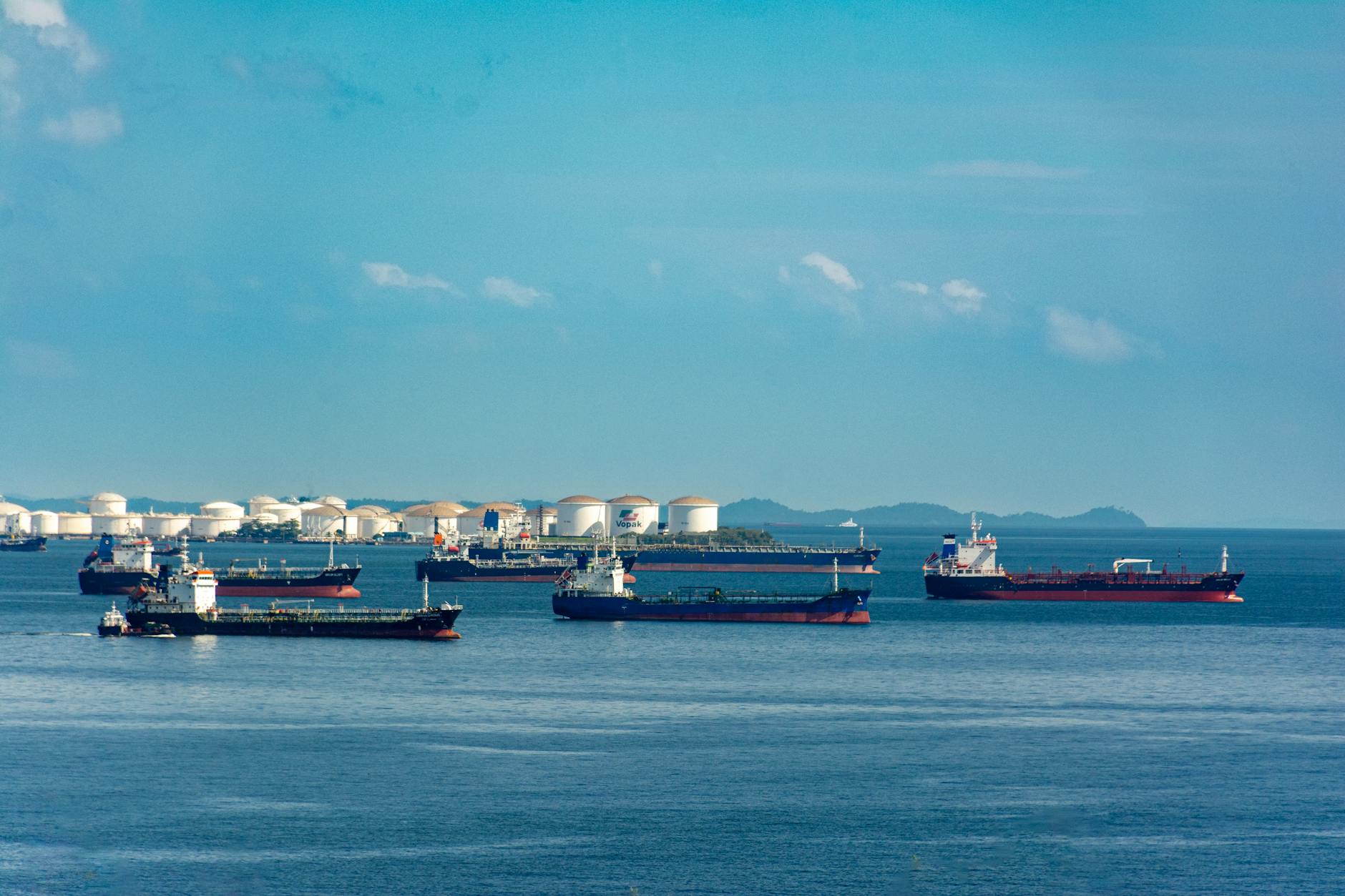
The Strait of Hormuz handles approximately 21% of global petroleum liquids transit, making any disruption to its operations a major concern for energy markets. Trump’s decision to halt the partial reopening effort immediately translated into bearish sentiment among traders who had been positioning for potential supply improvements.
Crude futures dropped as investors recalibrated their expectations for near-term supply flows through the strategic waterway. The timing of Trump’s announcement, coming during late trading hours, amplified the market reaction as liquidity conditions made price movements more pronounced.
Energy analysts noted that the pause creates additional uncertainty around global oil supply chains at a time when markets were already grappling with geopolitical tensions in the region. The Strait of Hormuz serves as a chokepoint for oil exports from several major producing nations, making its operational status a key factor in pricing models.

Diplomatic Strategy Behind the Pause
The president’s decision to delay the partial reopening reflects his administration’s assessment that additional negotiation time could yield better outcomes with Iranian officials. This diplomatic approach contrasts with earlier positions that favored more immediate action to address the shipping disruptions.
Trump’s pause allows both sides to explore potential compromises that could address the underlying issues without escalating tensions further. The extended timeline provides breathing room for backchanel communications that have been ongoing between various intermediaries.
Energy Sector Implications
Oil companies with significant exposure to Middle Eastern operations saw their after-hours trading activity increase following Trump’s announcement. The uncertainty around Hormuz operations affects not just crude prices but also refined product markets and shipping rates for tankers operating in the Persian Gulf.
Energy traders are now recalibrating their risk assessments for positions tied to Middle Eastern crude flows. The pause means that supply disruptions could persist longer than previously anticipated, potentially affecting global inventory builds and seasonal demand patterns.
Refineries dependent on crude imports through the Strait of Hormuz face continued uncertainty about their supply chains. Several major facilities have already adjusted their procurement strategies to account for potential delays, with some securing alternative supply sources at premium prices.

The extended pause timeline raises questions about whether diplomatic efforts can succeed where previous negotiations have stalled. Iran’s response to Trump’s latest overture will likely determine whether oil markets face continued volatility or begin to price in more stable supply conditions through the Strait of Hormuz.