


Oil markets dropped Sunday following President Donald Trump’s announcement of a U.S. initiative to liberate neutral commercial vessels trapped in the Persian Gulf since hostilities with Iran began. The plan appears designed to restore partial shipping access through the Strait of Hormuz, one of the world’s most important energy chokepoints.
Stock index futures showed mixed signals in early trading as investors weighed the potential impact of renewed Gulf shipping activity against ongoing geopolitical tensions in the region.
Energy Markets React to Shipping Access Promise
Crude oil futures fell sharply in overnight trading as Trump’s statement suggested a potential easing of supply chain disruptions that have plagued global energy markets. The Strait of Hormuz typically handles roughly 20% of global oil shipments, making any restoration of commercial traffic significant for energy pricing. Brent crude dropped 2.3% while West Texas Intermediate fell 2.1% in electronic trading sessions.
The president’s comments came during a Sunday evening social media post where he outlined what he called a “humanitarian corridor” for ships carrying non-military cargo. Details of the implementation timeline and specific operational parameters remain unclear, though Trump indicated the plan would begin with vessels from neutral nations currently anchored in Gulf waters.
Shipping Industry Faces Complex Logistics Challenge
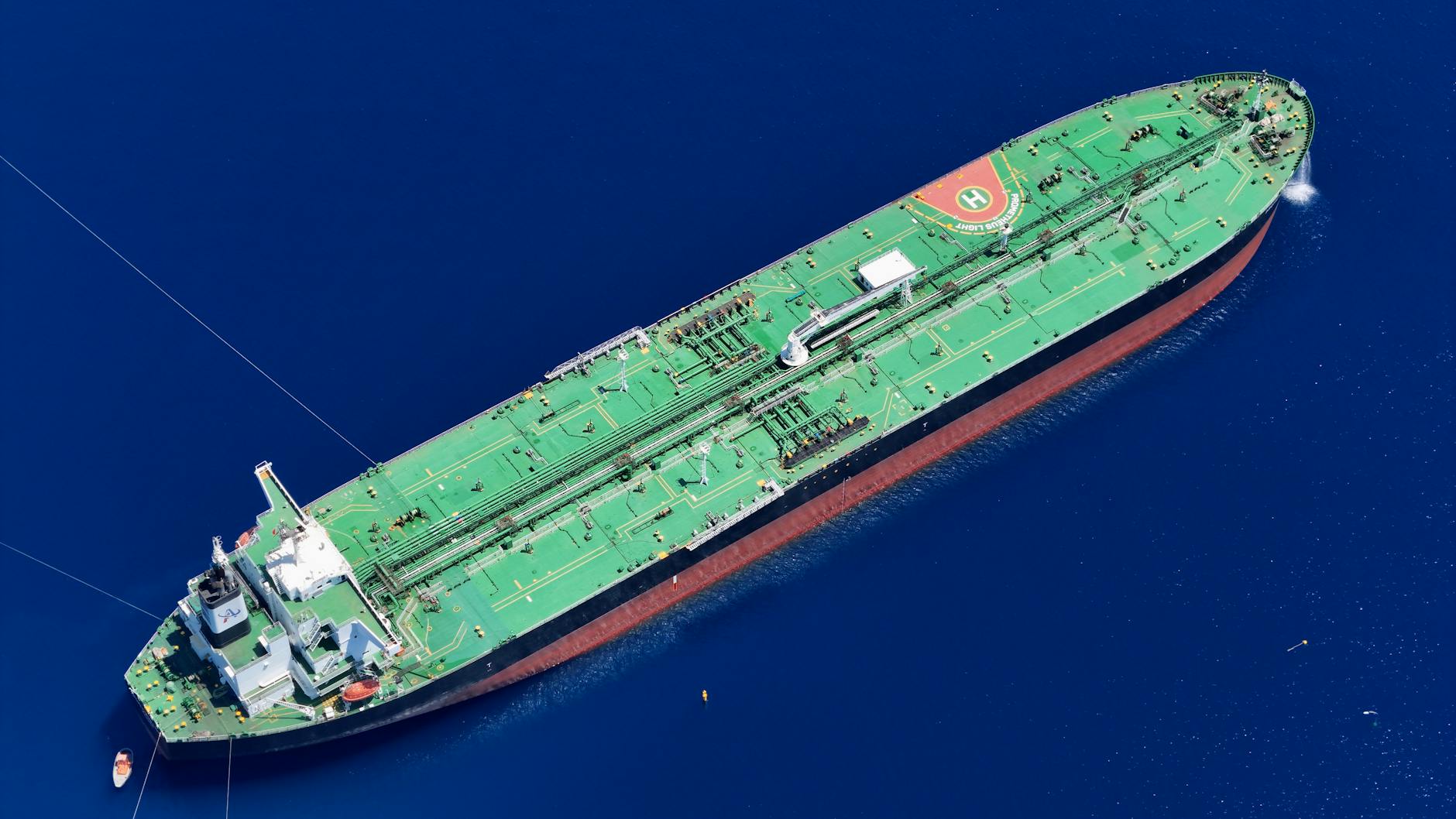
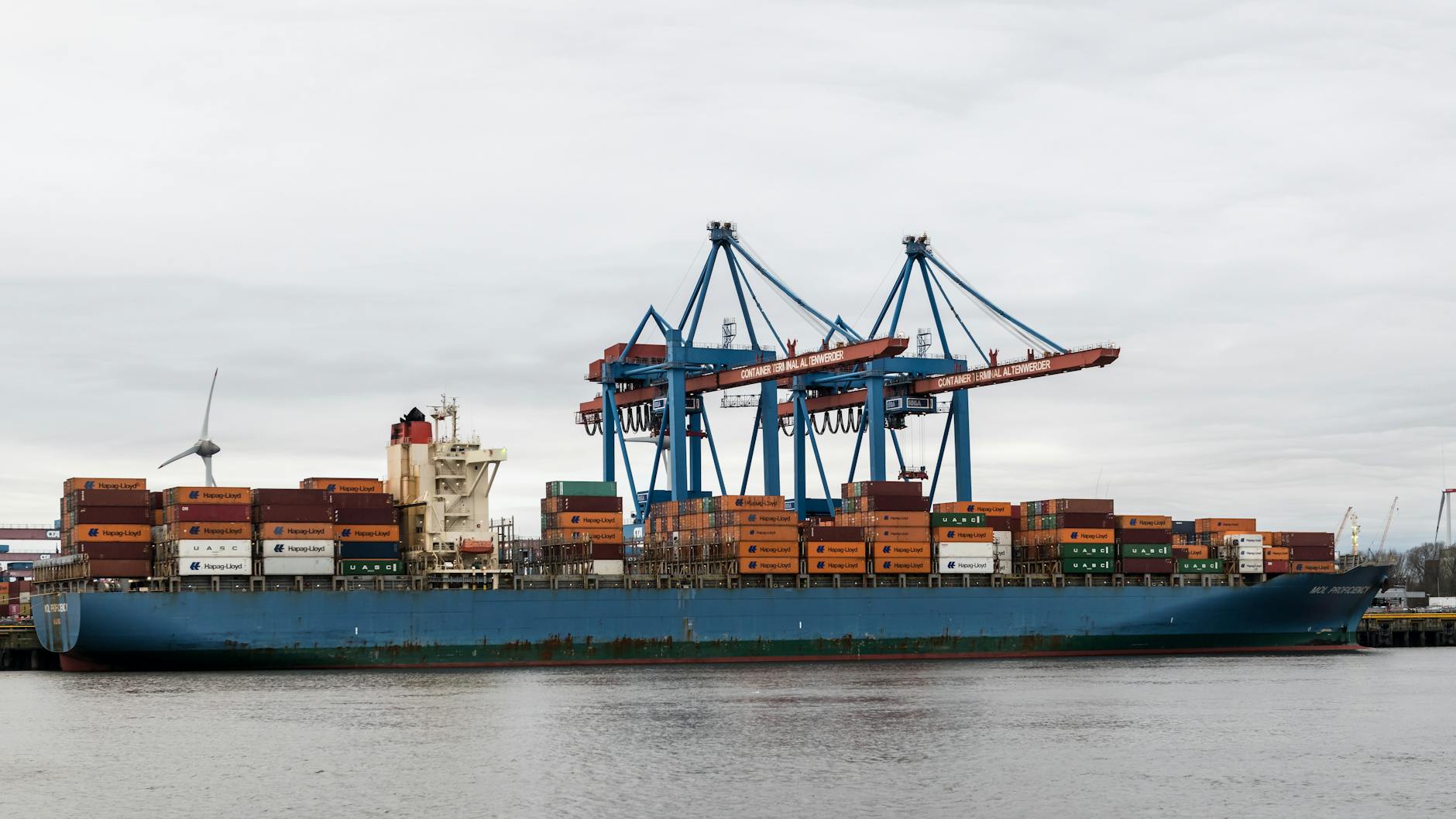
Maritime industry analysts note that dozens of commercial vessels have been stranded in Persian Gulf ports since fighting escalated between U.S. forces and Iranian military units three weeks ago. Many of these ships carry grain, consumer goods, and industrial materials bound for European and Asian markets. The vessels represent billions of dollars in cargo and significant insurance liabilities for global shipping companies.
Insurance rates for Gulf transit have increased by more than 400% since the conflict began, effectively pricing out many commercial operators. Lloyd’s of London syndicates have suspended coverage for vessels transiting Iranian territorial waters, while major shipping lines including Maersk and MSC have suspended Gulf operations entirely.

The complexity of reopening even limited shipping lanes involves coordination between U.S. naval forces, allied maritime patrols, and international shipping authorities. Current naval positioning includes three U.S. carrier groups in the Arabian Sea, along with British and French naval assets providing escort services for humanitarian vessels.
Trump’s plan would likely require establishing designated shipping corridors with military protection, similar to arrangements used during the 1980s “Tanker War” between Iran and Iraq. However, the current conflict involves more sophisticated Iranian missile systems and unmanned naval vessels, creating additional security complications for commercial traffic.
Market Response Reflects Supply Chain Concerns
Equity futures showed divergent patterns across sectors, with energy company stocks declining in premarket trading while logistics and shipping firms gained ground. Exxon Mobil fell 1.8% in early electronic trading, while Chevron dropped 1.4%. Conversely, FedEx rose 2.2% and UPS gained 1.9% as investors anticipated resumed cargo flows.
The mixed futures performance suggests investors remain cautious about the broader implications of partial Hormuz reopening. While restored shipping access would benefit global supply chains, the underlying military conflict continues to pose risks for sustained commercial operations in the region.
Implementation Details Await Pentagon Briefing
Pentagon officials indicated they would provide operational details of the shipping corridor plan during a Monday morning briefing. Defense Secretary Lloyd Austin is expected to outline specific vessel eligibility criteria and security protocols for commercial traffic participating in the program. The briefing will likely address coordination with international partners and rules of engagement for naval escorts.
Congressional leadership from both parties has requested classified briefings on the Hormuz initiative, particularly regarding potential escalation risks if Iranian forces challenge the shipping corridors. Senate Armed Services Committee Chairman Jack Reed called the plan “a necessary step” but emphasized the need for clear operational boundaries to prevent further military confrontation.
The success of Trump’s shipping corridor concept will ultimately depend on Iran’s response to renewed commercial traffic in disputed waters. Iranian Revolutionary Guard commanders have not yet commented publicly on the U.S. announcement, leaving uncertainty about whether Tehran will respect the designated neutral shipping zones or view them as military targets.