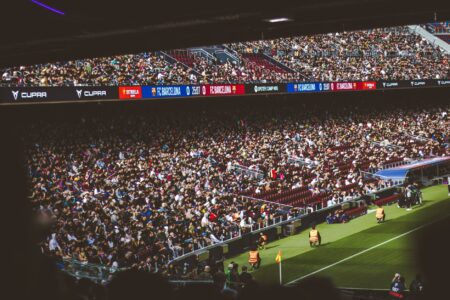




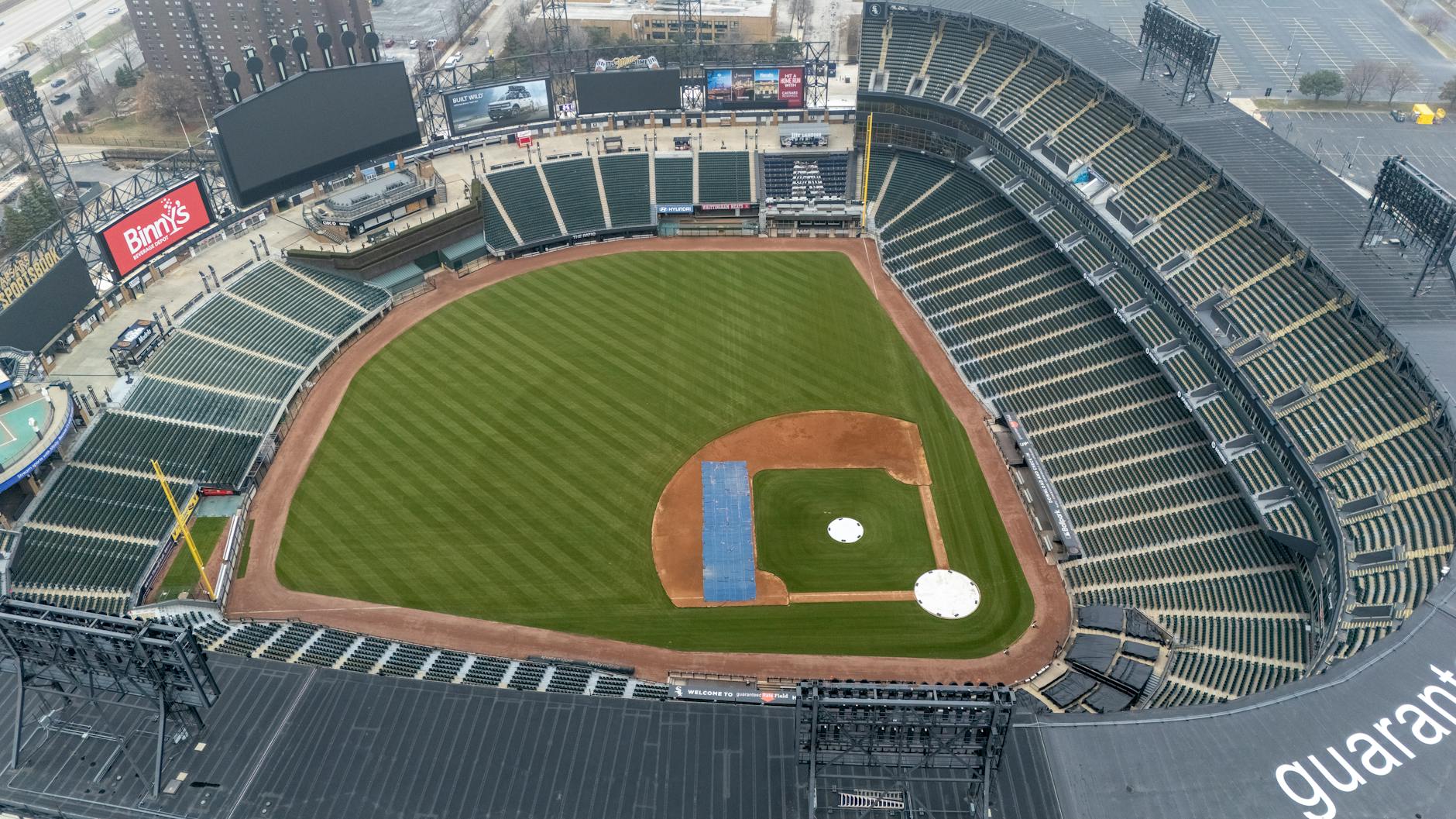
A single-engine aircraft circled Fenway Park for sixty minutes Friday afternoon, dragging a banner demanding the Red Sox ownership group sell the franchise. The aerial demonstration occurred during batting practice as Boston prepared to face the Houston Astros, with fans in the stands watching both the pregame warmups and the overhead message.
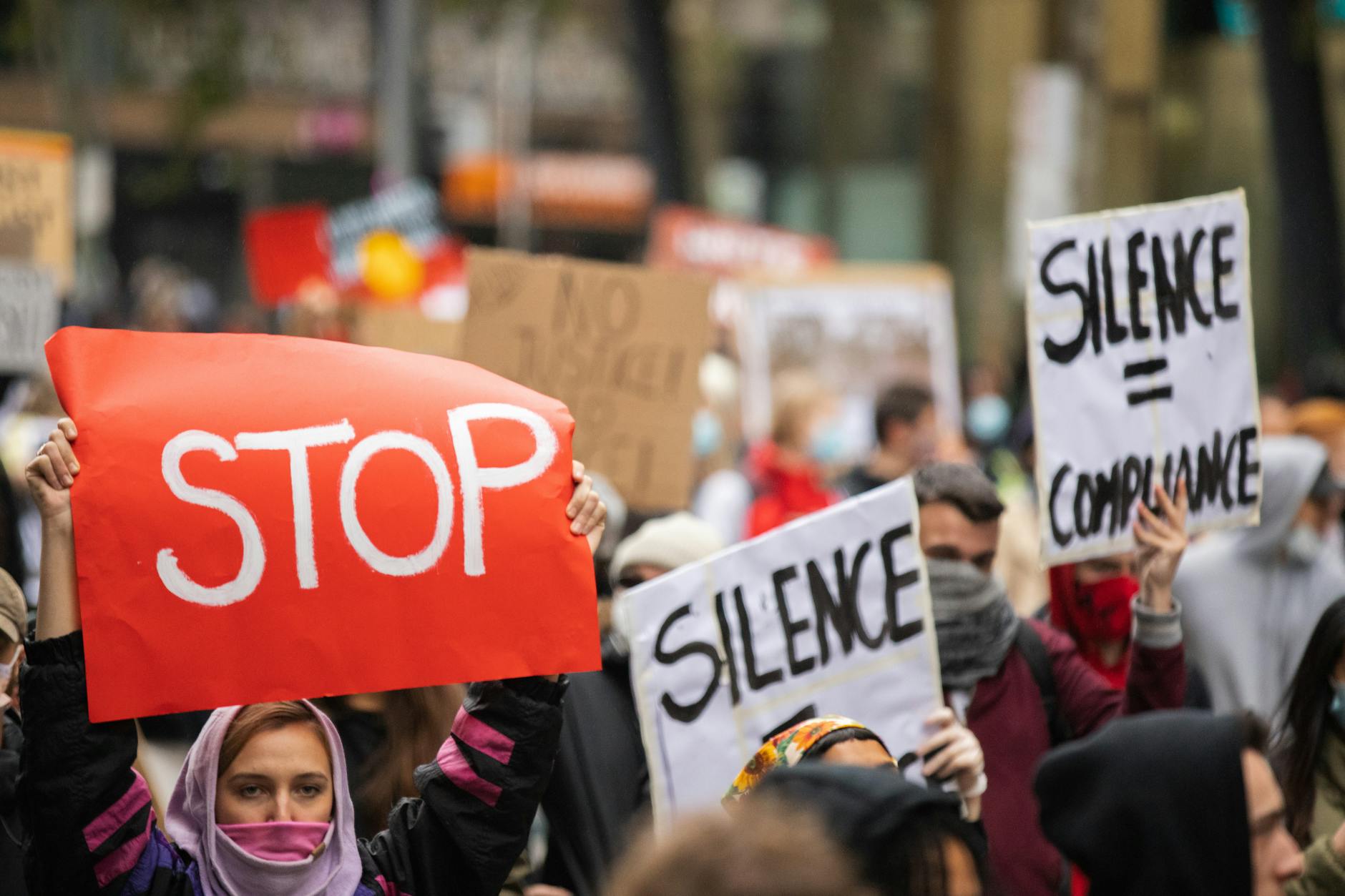
The protest represents the latest expression of fan frustration with the team’s management under principal owner John Henry’s Fenway Sports Group. Season ticket holders have voiced complaints about payroll cuts, ticket price increases, and what many perceive as a shift toward profit maximization over competitive performance.

Financial Pressures Behind Fan Discontent
Fenway Sports Group purchased the Red Sox in 2002 for $700 million, transforming the franchise into a business empire valued at approximately $4.5 billion according to Forbes’ most recent estimates. The ownership group, which also controls Liverpool Football Club and the Pittsburgh Penguins, has faced criticism for treating the baseball team as one component of a larger investment portfolio rather than a community institution.
The Red Sox payroll dropped from $230 million in 2019 to $194 million in 2024, placing the team 11th among Major League Baseball’s 30 franchises despite playing in the sport’s second-largest media market. This financial restraint coincided with the team missing the playoffs in four of the past five seasons, including a last-place finish in the American League East in 2022.
Ticket prices at Fenway Park increased 12 percent between 2022 and 2024, while concession costs rose even more dramatically. A standard beer now costs $12, while premium seating behind home plate can exceed $500 per game. These price hikes occurred alongside reduced spending on player salaries, creating what fans describe as a disconnect between financial demands and on-field investment.


Ownership Group’s Business Model
Henry’s approach to Red Sox ownership follows the private equity playbook of maximizing revenue while controlling costs. The team generates approximately $500 million annually through ticket sales, broadcasting rights, merchandise, and concessions, making it one of baseball’s most profitable franchises even during mediocre seasons.
Fenway Sports Group’s diversified portfolio includes real estate development around Fenway Park, a regional sports network, and various hospitality ventures. This business structure allows the ownership to extract value from the Red Sox brand without necessarily prioritizing championship contention, a strategy that has intensified fan opposition.
Economic Impact of Fan Protests
Season ticket renewals declined 8 percent following the 2023 season, representing the first significant drop in subscription-based revenue since the team’s 2004 World Series championship. Average attendance fell to 32,800 per game in 2024, down from the 37,400 capacity that was routine during the team’s championship years between 2004 and 2018.
Local businesses surrounding Fenway Park report decreased foot traffic on game days, with restaurant revenues down 15 percent compared to peak attendance seasons. The Kenmore Square area, which depends heavily on Red Sox crowds, has seen several establishments reduce hours or eliminate game-day specials due to lower customer volumes.
The aerial protest cost organizers approximately $2,000 according to local aviation companies, suggesting a coordinated effort by multiple season ticket holders rather than an individual gesture. Similar demonstrations occurred outside other Fenway Sports Group properties, including Liverpool’s Anfield stadium, where supporters protested proposed ticket price increases.

Broadcasting partners have expressed concern about declining viewership for Red Sox games, with regional television ratings down 22 percent since 2019. NESN, the team’s television network that Fenway Sports Group partially owns, faces pressure from cable providers to reduce rights fees if audience numbers continue falling. The economic feedback loop between fan dissatisfaction, attendance drops, and media revenue creates mounting pressure on the ownership group’s business model.
Will Henry’s financial engineering approach survive sustained fan resistance, or does Friday’s aerial message signal the beginning of more organized economic pressure?