




Memory chip manufacturer SanDisk delivered explosive financial results Thursday, riding the artificial intelligence wave to record revenue and profits while securing massive long-term supply agreements. The company announced it has locked in contracts worth at least $42 billion, a strategic move designed to shield operations from the memory industry’s notorious boom-bust pricing cycles.
The San Jose-based firm’s latest quarterly performance caps a remarkable turnaround driven by insatiable demand for memory components in AI data centers and high-performance computing systems. Revenue surged across all product categories, with the company’s enterprise storage solutions and high-capacity memory cards posting particularly strong gains.

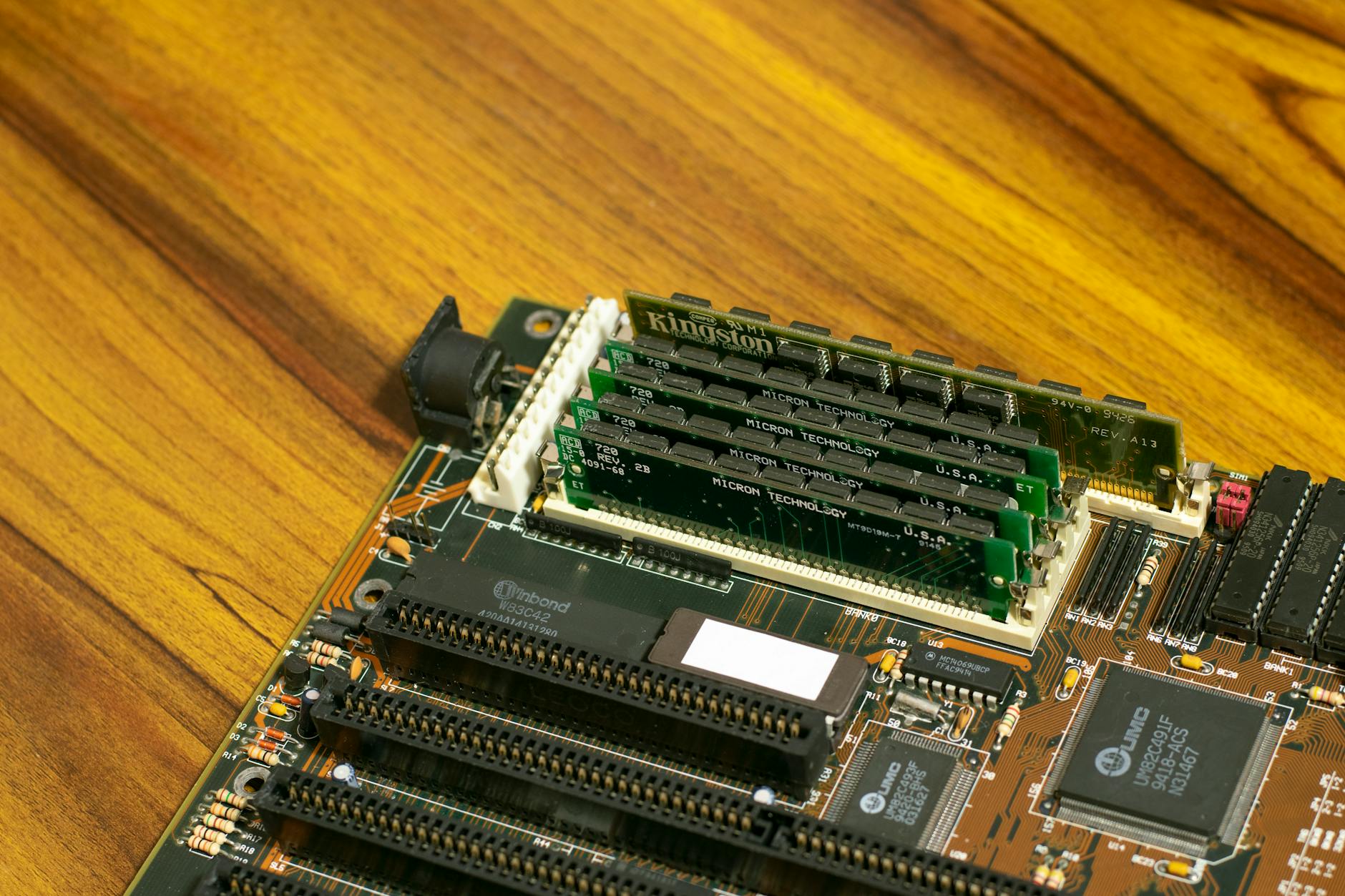
AI Infrastructure Drives Memory Surge
SanDisk’s financial windfall reflects the broader semiconductor industry’s gold rush around artificial intelligence applications. Data centers powering AI workloads require massive amounts of high-speed memory, creating unprecedented demand for the company’s enterprise-grade storage solutions. Training large language models and running inference applications consume enormous memory bandwidth, pushing customers to secure long-term supply commitments.
The company’s enterprise division, which produces memory cards and solid-state drives for data centers, emerged as the primary growth engine. These products command premium pricing compared to consumer electronics components, boosting profit margins significantly. SanDisk’s ability to manufacture high-density, high-performance memory products positions it favorably as AI companies scale their infrastructure investments.
Management emphasized that current demand patterns represent a fundamental shift rather than a temporary spike. Major cloud providers and AI startups alike are committing to multi-year purchasing agreements, providing SanDisk with unprecedented revenue visibility. The company’s advanced manufacturing capabilities allow it to meet specifications that many competitors cannot match, creating a competitive moat in premium market segments.
Long-Term Contracts Provide Stability Buffer
The $42 billion contract portfolio represents SanDisk’s most ambitious effort to date to stabilize revenue streams in an historically volatile industry. Memory chip pricing traditionally swings wildly based on supply-demand imbalances, creating feast-or-famine cycles that have plagued semiconductor companies for decades. These multi-year agreements guarantee minimum purchase volumes and pricing floors, reducing earnings volatility.

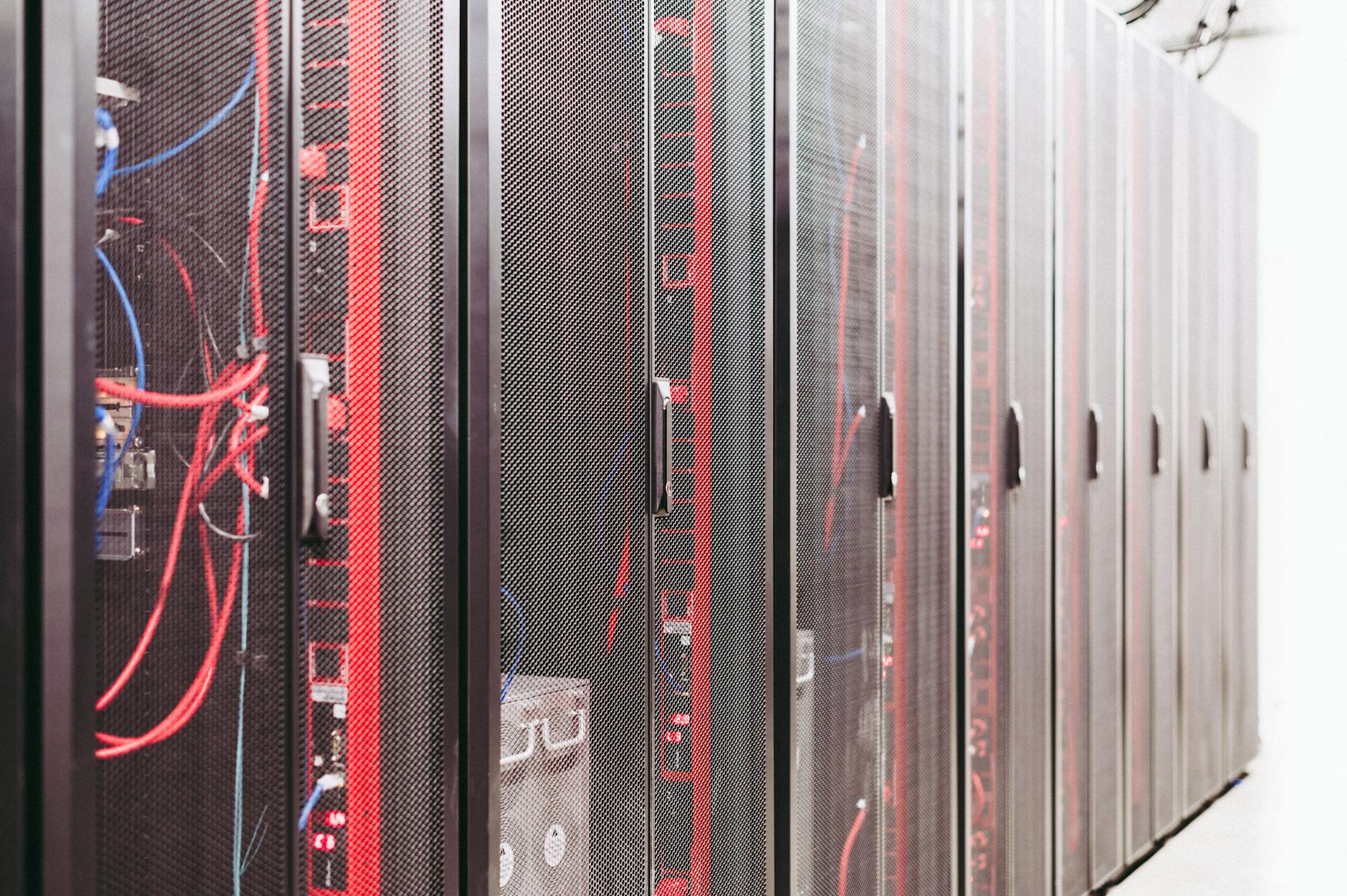
Industry analysts view the contract strategy as validation of SanDisk’s premium positioning in memory markets. The agreements span multiple product categories and customer segments, from hyperscale data centers to specialized AI hardware manufacturers. This diversification reduces dependence on any single customer or application while maintaining exposure to high-growth AI markets.
Financial Performance Exceeds Expectations
SanDisk’s quarterly results exceeded Wall Street projections across every major metric, with revenue growth accelerating compared to previous quarters. The company reported record gross margins as premium AI-focused products commanded higher pricing than traditional consumer memory cards. Operating expenses remained well-controlled despite increased research and development spending on next-generation memory technologies.
Cash generation surged alongside revenue growth, providing SanDisk with significant financial flexibility for strategic investments. The company allocated substantial resources toward expanding manufacturing capacity to meet growing demand, particularly for high-performance memory solutions required by AI applications. Capital expenditure increases reflect confidence in sustained demand growth rather than cyclical investment patterns.
Management guidance for the upcoming quarter suggests momentum will continue, with revenue projections exceeding analyst estimates. The pipeline of new customer engagements remains robust, driven primarily by AI infrastructure deployments across multiple geographic regions. SanDisk expects to maintain elevated gross margins as premium product mix benefits persist through the remainder of the year.

The company’s stock response to earnings results will test investor confidence in the sustainability of AI-driven demand. Memory semiconductor stocks have historically traded on cyclical patterns, but SanDisk’s long-term contract strategy may justify higher valuation multiples. The question remains whether $42 billion in commitments truly insulates the company from industry downturns or merely delays inevitable pricing pressures.