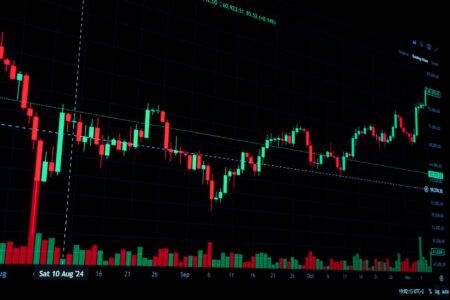




The semiconductor sector has delivered its most explosive rally in nearly a quarter-century, with the iShares Semiconductor ETF climbing 34% during an extraordinary 13-day winning streak. This performance marks the fund’s strongest consecutive gain period since tracking began 24 years ago.
The rally underscores the dramatic shift in investor sentiment toward chip companies, reversing months of cautious positioning that had kept many institutional players on the sidelines. Trading volumes have surged alongside prices, suggesting broad participation rather than narrow speculation driving the gains.

Record-Breaking Momentum Builds
Daily gains have compounded throughout the streak, with the ETF posting positive closes in every session during the run. The consistency of the advance has caught even seasoned semiconductor analysts off guard, as typical sector rallies tend to include at least some consolidation days.
Market makers report heavy call option activity surrounding the ETF, indicating expectations for continued upward movement. Open interest in near-term calls has doubled during the rally, while put positions have declined sharply as bearish bets unwind.
The 13-day streak has generated returns that exceed what many investors expected for an entire quarter. Fund managers who had underweighted semiconductor exposure earlier this year are now scrambling to adjust portfolios, creating additional buying pressure that feeds the momentum.

Historical Context Emerges
Previous semiconductor rallies of similar magnitude occurred during the early days of the internet boom and the initial artificial intelligence investment wave. Those periods shared common elements with current conditions: breakthrough technology adoption, supply chain bottlenecks creating scarcity value, and Federal Reserve policy shifts favoring growth stocks.
The 24-year comparison period includes multiple boom and bust cycles in chip investing, making the current streak statistically significant. Even during the height of pandemic-era tech enthusiasm, the ETF failed to match this consecutive-day performance.
Valuation Questions Surface
Despite the euphoria, traditional valuation metrics now flash warning signals across multiple semiconductor names within the ETF. Price-to-earnings ratios have expanded to levels that historically preceded sharp corrections, though supporters argue that earnings growth will eventually justify current multiples.
Memory chip manufacturers face particular scrutiny, with Micron Technology emerging as a focal point for valuation concerns. The company’s stock price has outpaced fundamental improvements in memory pricing and demand forecasts, creating what some analysts describe as a disconnect between market expectations and industry realities.


Options markets reflect this tension, with volatility remaining elevated despite the steady upward march. Experienced traders note that such combinations often precede significant directional moves, though predicting timing remains difficult.
The broader question facing investors centers on whether artificial intelligence demand can sustain current valuations indefinitely, or if normal cyclical patterns will eventually reassert themselves in semiconductor markets.