




Spirit Airlines creditors are evaluating an unexpected lifeline as President Trump floats the possibility of federal intervention to rescue the budget carrier from financial collapse.

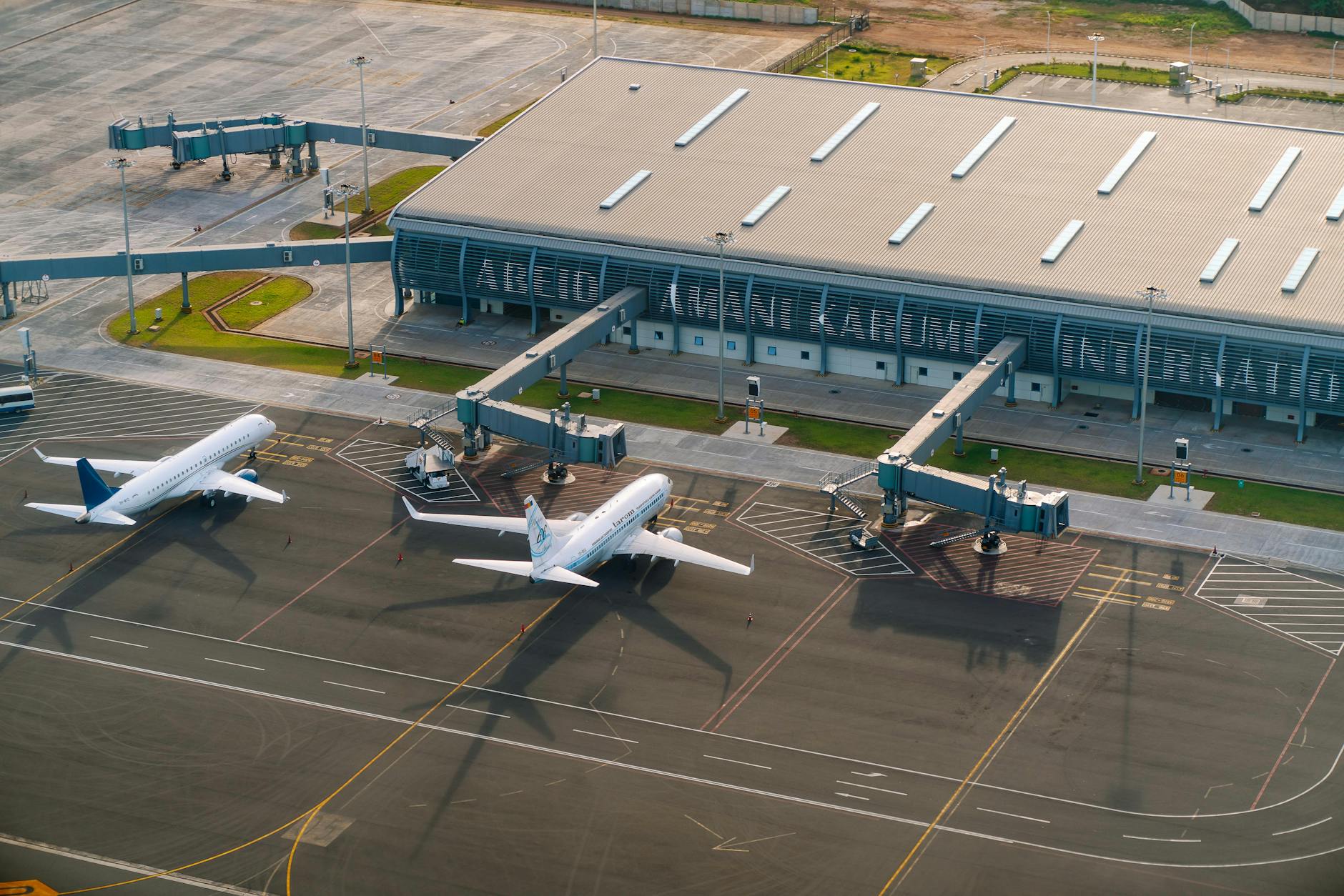
White House Signals Interest in Aviation Rescue
The Trump administration has indicated willingness to consider a government purchase of Spirit Airlines, marking a departure from traditional market-based approaches to airline distress. This potential intervention comes as the ultra-low-cost carrier struggles with mounting debt obligations and operational challenges that have pushed it toward potential bankruptcy.
Spirit’s bondholders now face a complex decision matrix that could dramatically alter their recovery prospects. A government buyout would likely offer different terms than a traditional restructuring or liquidation scenario, potentially providing greater certainty but possibly at lower recovery rates than creditors might achieve through other channels.
The timing of Trump’s comments adds urgency to bondholder deliberations. Spirit’s debt matures in stages over the coming months, creating pressure points that could force rapid decisions about the company’s future structure and ownership.
Federal involvement in airline rescues typically occurs during broader economic crises or when carriers serve essential routes that lack adequate competition. Spirit’s role in providing low-cost connectivity to underserved markets may justify government interest, though the precedent would mark new territory for federal aviation policy.
Financial Restructuring Options Narrow
Spirit Airlines entered 2026 with approximately $3.3 billion in total debt, including secured bonds, unsecured notes, and aircraft financing obligations. The carrier’s cash position has deteriorated steadily as operational losses mounted and revenue recovery lagged behind pre-pandemic levels.


Bondholders hold roughly $1.8 billion in unsecured debt that would face significant impairment under most restructuring scenarios. Traditional Chapter 11 proceedings would likely result in substantial losses for these creditors, making a government buyout potentially attractive despite uncertain terms.
The airline’s secured creditors, primarily aircraft lessors and equipment financiers, maintain stronger positions given their collateral backing. However, even these creditors could benefit from federal intervention if it preserves asset values and maintains operational continuity.
Spirit’s labor unions have expressed cautious support for government involvement, viewing federal ownership as preferable to liquidation scenarios that would eliminate thousands of jobs. The airline employs approximately 15,000 people across its network of maintenance facilities, crew bases, and corporate offices.
Market analysts note that Spirit’s route network includes numerous destinations where the carrier provides the primary low-cost service option. Eliminating this capacity could reduce competition and increase fares for price-sensitive travelers, potentially justifying public intervention on consumer protection grounds.
Precedent and Political Considerations
Government airline rescues remain rare in modern American aviation history, with most federal interventions occurring during wartime or national emergencies. The Trump administration’s willingness to consider direct ownership represents a significant policy shift that could establish new precedents for industry bailouts.

Congressional approval would likely be required for any substantial government purchase of Spirit Airlines, creating additional uncertainty about timing and final terms. Republican lawmakers have traditionally opposed direct government ownership of private companies, though Trump’s influence within the party could overcome such resistance.