


A Tunneling Startup Attracts Serious Capital
The Boring Company, Elon Musk’s tunneling venture, has closed a $3 billion private funding round, lifting its valuation to $23 billion. The raise positions the company among the most heavily capitalized infrastructure startups in the country, a striking figure for a business built around digging holes in the ground.
The company operates in close coordination with Tesla, a relationship that shapes both its technology direction and its public profile. Whether that proximity to Musk’s larger empire helped attract investors – or complicated the pitch – is a question the funding round itself can’t answer.

What the Money Represents for Underground Infrastructure
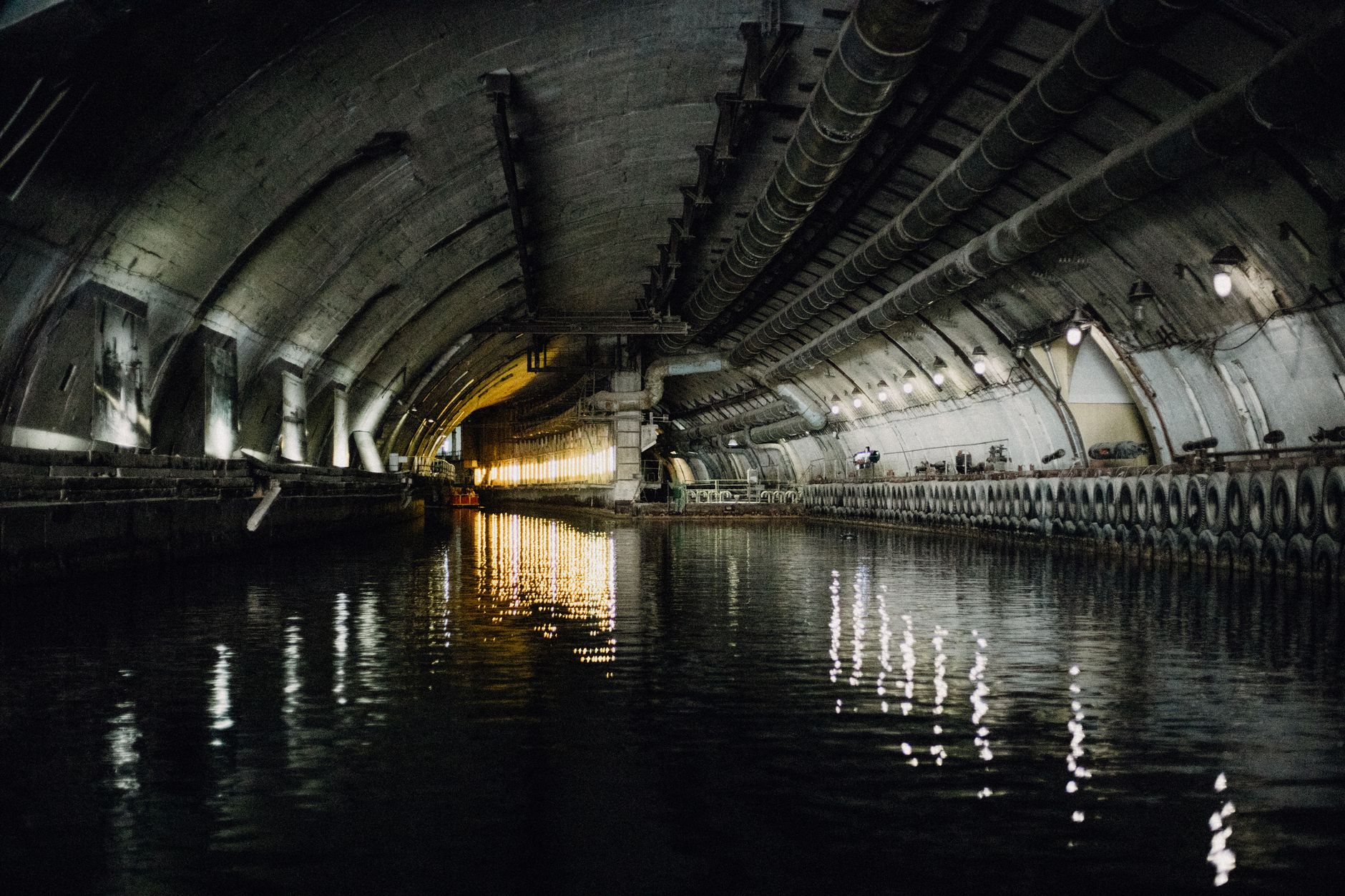
A $3 billion raise is not routine for a construction-adjacent company. Traditional tunneling firms operate on thin margins, win contracts through government procurement, and rarely attract the kind of private capital that flows toward software or biotech. The Boring Company is being valued more like a technology platform than a civil engineering contractor – and investors appear willing to pay that premium.
The company’s working relationship with Tesla adds a layer of strategic logic to that valuation. If underground transit networks eventually accommodate autonomous electric vehicles – a scenario Musk has discussed publicly – then the infrastructure builder and the vehicle manufacturer being controlled by the same person creates obvious synergies that are difficult to price but easy to imagine.

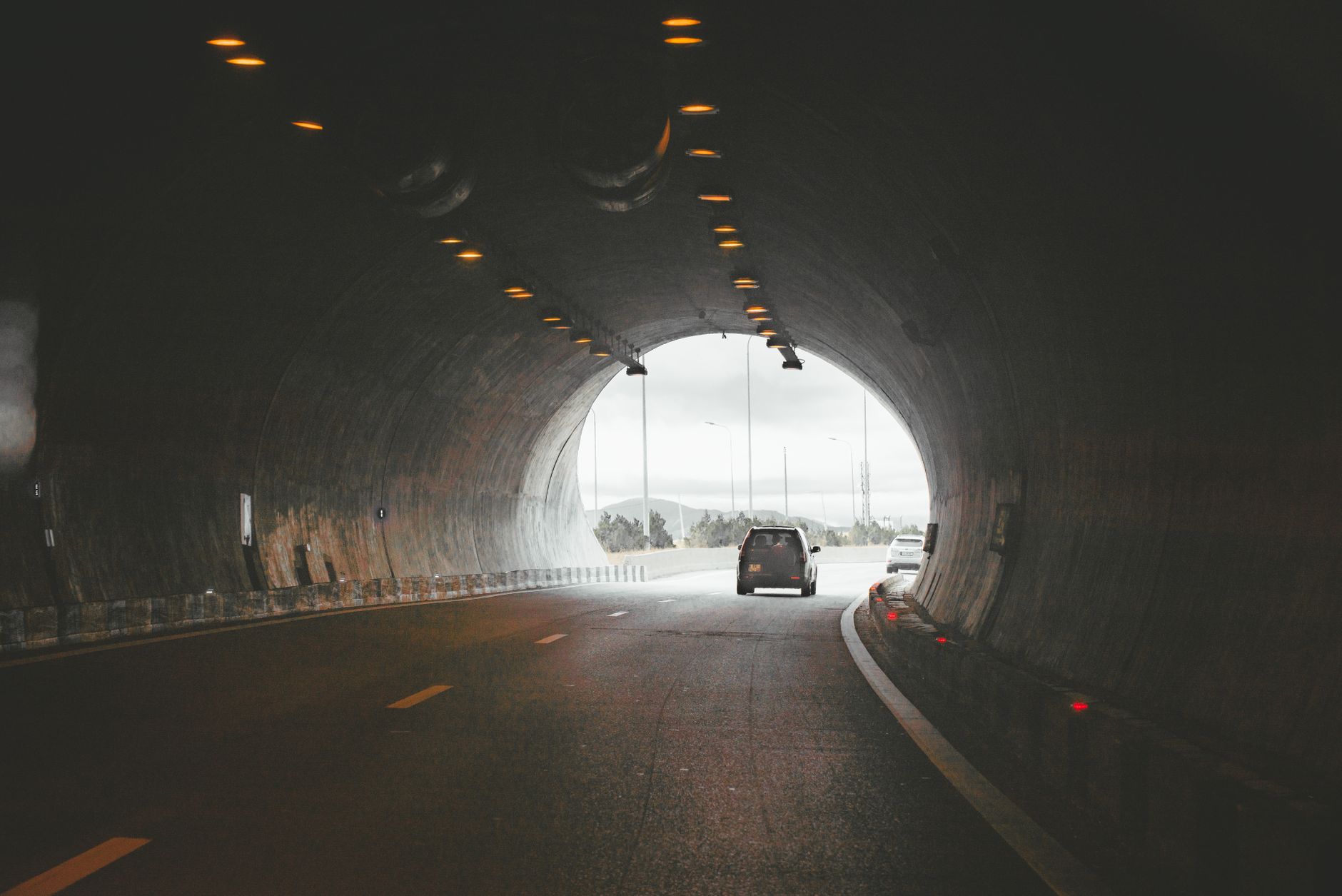
Still, The Boring Company’s commercial footprint remains limited relative to its valuation. Its most visible project is the Las Vegas Convention Center Loop, a network of tunnels shuttling passengers in Tesla vehicles beneath the convention floor. It works. It also operates at speeds and capacities that critics have compared unfavorably to conventional subway systems built decades ago, at fractions of the claimed cost savings.
That tension – between the ambition embedded in the valuation and the operational reality of what has actually been built – will follow this fundraise wherever it goes. Investors who committed to the $3 billion round are betting that the gap closes, not widens.
Musk’s Portfolio and the Capital Question
This raise adds another financial data point to the Musk empire’s ongoing expansion. Across Tesla, SpaceX, xAI, and now this tunneling venture, capital continues to flow toward companies connected to Musk – even as his public role in the Trump administration’s cost-cutting initiative has stirred controversy and drawn scrutiny to his business interests.
The $23 billion valuation puts The Boring Company in a different financial weight class than most people assumed it occupied.

What Comes Next
Private funding rounds of this size typically precede either a major expansion in operations or a move toward public markets. For The Boring Company, the $3 billion could fund new tunnel projects in additional cities, accelerate technology development, or simply extend the runway while the company pursues larger municipal and federal contracts. None of those paths has been confirmed publicly.
The construction and infrastructure sector has faced significant cost pressures over the past two years, with materials and labor both running elevated. Whether a $23 billion tunneling company can deliver projects at the cost efficiency it has promised – and at a scale that justifies that valuation – depends heavily on execution that hasn’t happened yet at any meaningful size.
The Las Vegas loop handles thousands of passengers during peak convention periods. The next project will need to handle a city.