




While software companies chase AI profits through cloud services and subscriptions, Apple maintains its contrarian bet on physical devices as the primary revenue driver in artificial intelligence.

The Hardware-First AI Approach
Apple’s strategy stands apart from competitors who view AI primarily as a software play. The company continues investing billions in custom silicon, manufacturing capabilities, and device integration rather than pivoting toward pure AI services. This approach draws criticism from analysts who question whether hardware sales can capture the economic value that AI promises to create.
The skepticism centers on Apple’s reliance on iPhone sales for roughly half its revenue. Critics argue that AI’s biggest financial opportunities lie in recurring subscription models, enterprise software licensing, and cloud computing services. They point to Microsoft’s success monetizing AI through Azure and Office 365, or Google’s advertising revenue boost from AI-enhanced search capabilities.
Yet Apple’s hardware focus reflects a different calculation about where AI profits will ultimately flow. The company’s leadership believes that consumers will pay premium prices for devices that deliver superior AI experiences locally, without depending on cloud connectivity. This thesis depends on processing power residing directly in phones, tablets, and computers rather than remote data centers.
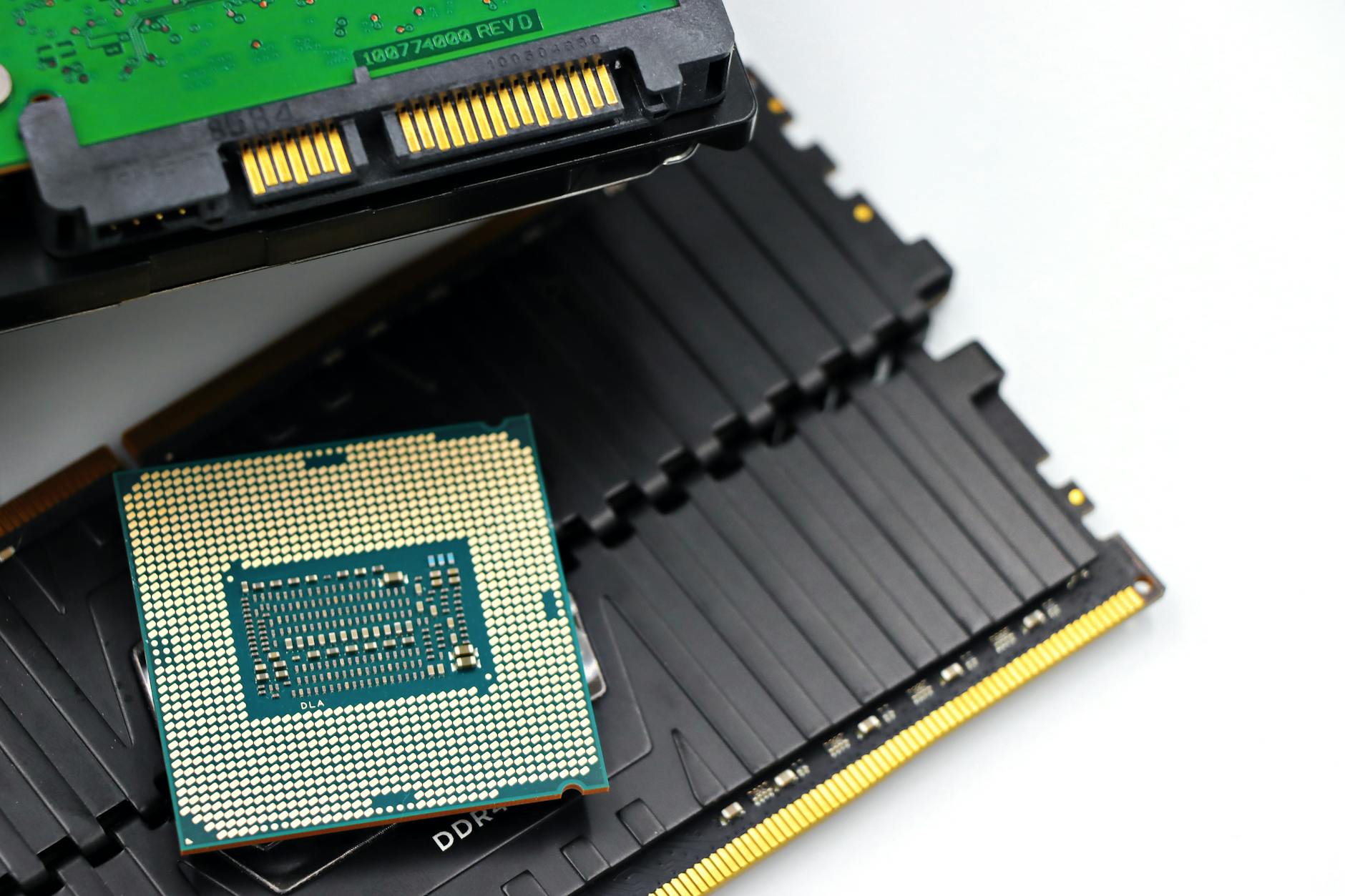
Tim Cook’s team has doubled down on this vision through massive investments in neural processing units and machine learning accelerators built into Apple’s custom chips. The M-series processors and A-series mobile chips now dedicate significant die space to AI workloads, representing a multi-billion dollar commitment to on-device intelligence.
Revenue Models Clash Over AI Monetization
The fundamental disagreement involves how companies will extract value from AI capabilities. Traditional tech giants pursue advertising revenue, subscription fees, and usage-based pricing for AI services. Apple instead bets that superior hardware performance will drive device upgrade cycles and justify higher selling prices.
This hardware-centric model faces obvious challenges. Manufacturing costs rise with each generation of more sophisticated processors. Competition from Android manufacturers threatens to commoditize AI features across price segments. Supply chain constraints can limit production volumes precisely when demand peaks for new capabilities.

However, Apple’s approach offers distinct advantages that critics often overlook. On-device AI processing addresses privacy concerns that plague cloud-based alternatives. Local processing eliminates latency issues and reduces dependence on internet connectivity. Most importantly, it creates stronger customer lock-in effects when AI features integrate deeply with the broader Apple ecosystem.
The company’s Services revenue, now exceeding $85 billion annually, demonstrates how hardware sales can generate recurring income streams. App Store commissions, iCloud storage, and Apple Music subscriptions all depend on customers owning Apple devices. AI-powered features that enhance these services could drive both higher attachment rates and premium pricing across the entire ecosystem.
Financial results suggest Apple’s hardware strategy may be working despite the criticism. The company’s gross margins have remained relatively stable even as it incorporates more expensive AI processing capabilities into devices. Premium iPhone models continue commanding $1,000-plus price points, indicating consumer willingness to pay for advanced hardware features. AMD Stock Surges Toward $200 as Server Demand Favors Chipmaker shows how AI chip demand benefits hardware-focused companies across the industry.
Market Validation Remains Incomplete
The ultimate test of Apple’s AI hardware strategy will come as competing approaches mature and show their relative profitability. Software-first companies may discover that recurring revenue models face saturation limits or price pressure from competition. Alternatively, hardware-focused strategies might struggle with upgrade cycle extension as AI features become standardized across device categories.

Apple’s critics aren’t necessarily wrong about the risks of betting on hardware in an AI-driven world. But they may be underestimating how much consumers value privacy, performance, and integration when purchasing devices that will handle increasingly personal AI interactions. The question remains whether premium hardware margins can sustain Apple’s growth trajectory as AI reshapes the entire technology landscape.