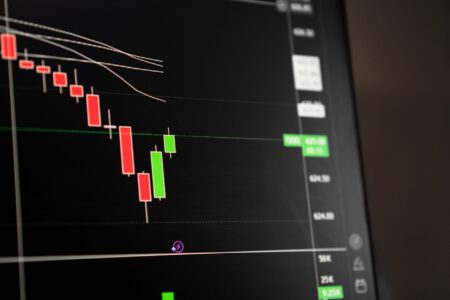



Avis Budget Group shares experienced a dramatic rise and fall that left investors questioning the mechanics of modern market volatility.
The Squeeze That Shocked Wall Street
The car rental company became an unlikely star in the meme stock phenomenon when retail investors targeted heavily shorted positions. Hedge funds had been betting against Avis, viewing the travel sector as vulnerable to continued pandemic disruptions and changing consumer preferences toward ride-sharing services.
Short interest in Avis had reached notable levels before the squeeze began. Professional investors saw the company’s high debt load and competitive pressures as reasons to maintain bearish positions. The thesis seemed sound: business travel remained depressed, leisure travel showed inconsistent recovery patterns, and the company faced significant operational challenges.
Social media platforms became the coordination hub for retail investors who spotted the opportunity. Posts highlighting Avis’s short interest percentages gained traction across Reddit communities and Twitter threads. The familiar pattern of meme stock targeting had found a new victim.
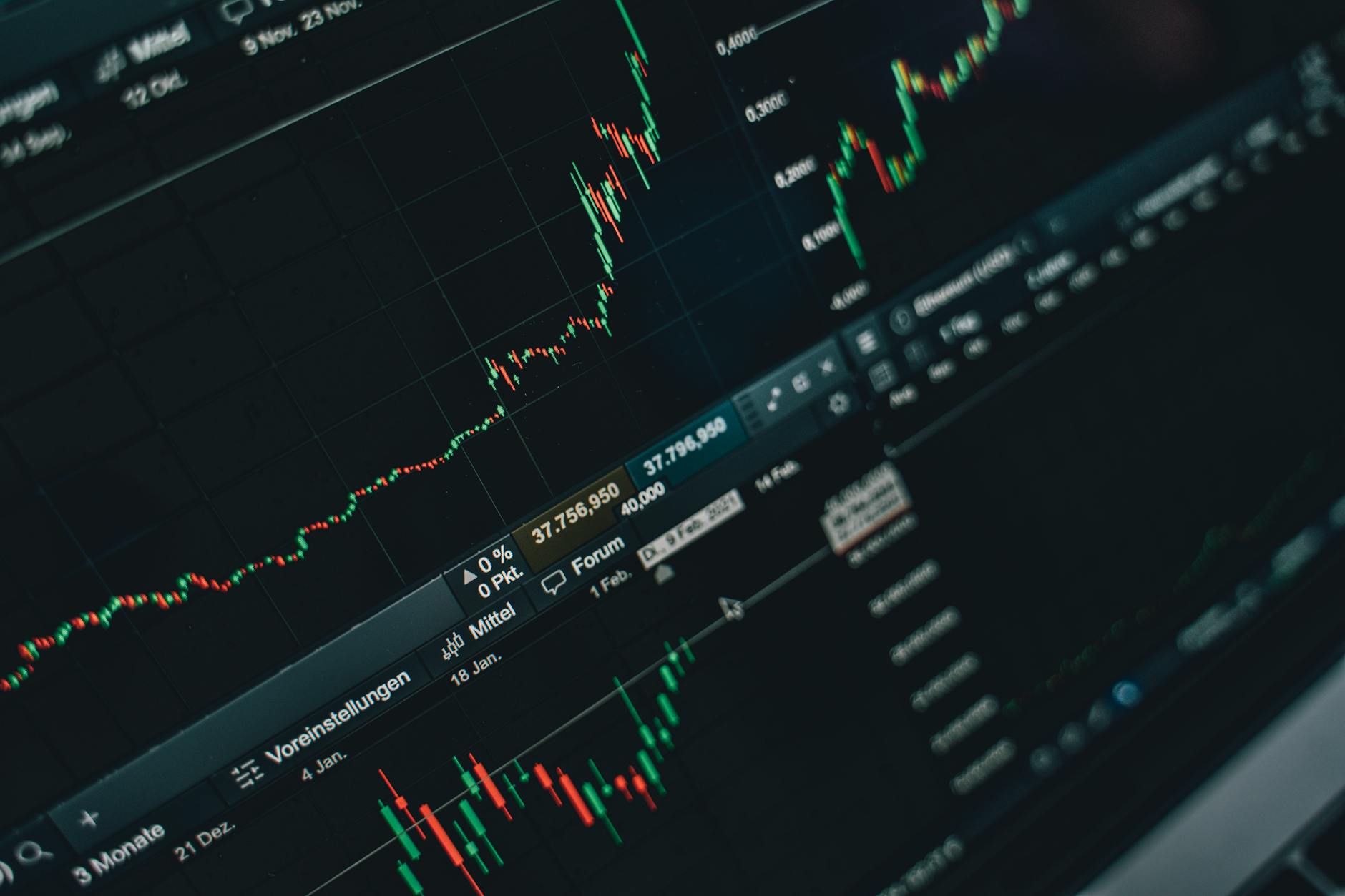
What followed defied traditional market logic. Share prices rocketed upward as buying pressure overwhelmed available supply. Short sellers found themselves trapped in positions that moved against them with frightening speed, forcing covering that accelerated the upward momentum.
The Mechanics of Financial Chaos
Market makers struggled to provide liquidity as the stock moved in unprecedented daily ranges. Options activity exploded, with call volume reaching extreme levels that forced dealers to hedge their positions by purchasing shares. This gamma squeeze effect amplified the already volatile situation.
Institutional investors watched helplessly as algorithms and retail sentiment drove prices far beyond any reasonable fundamental valuation. The car rental business, while showing signs of recovery, could not justify the market capitalization that briefly emerged during the peak of the rally.
Trading halts became routine as circuit breakers triggered repeatedly. Each pause seemed to build more anticipation among retail traders, who interpreted the halts as confirmation that their strategy was working. Professional traders, meanwhile, recognized the signs of an unsustainable price movement but found themselves unable to effectively counter the momentum.

The options chain revealed the true extent of the speculative frenzy. Strikes that seemed impossibly out-of-reach suddenly came into play as the stock price soared. Market makers faced massive exposure as previously safe short call positions turned dangerous. The mathematical models that typically governed options pricing broke down under the extreme conditions.
Volume surged to multiples of the stock’s normal trading activity. Individual days saw more shares change hands than typically occurred in entire weeks. The company itself issued statements acknowledging the unusual trading activity while emphasizing that business fundamentals had not changed materially.
Reality Returns With Force
The collapse arrived with the same sudden intensity as the rally. Profit-taking accelerated once the stock reached levels that even the most enthusiastic retail investors recognized as excessive. The absence of genuine buying interest at inflated prices became apparent as selling pressure mounted.
Margin calls began affecting leveraged retail positions, creating forced selling that reversed the gamma squeeze dynamics. What had been a feedback loop pushing prices higher now worked in reverse, with each decline triggering more selling pressure. The same algorithmic forces that had amplified the rise now accelerated the fall.

Professional investors who had been squeezed out of their short positions found new opportunities to re-establish bearish bets at much higher price levels. The fundamental analysis that had initially driven their negative outlook remained valid, but now they could implement their thesis at dramatically more favorable entry points.
What lessons emerge from this financial spectacle, and how many more traditional companies will find themselves caught in similar market distortions?