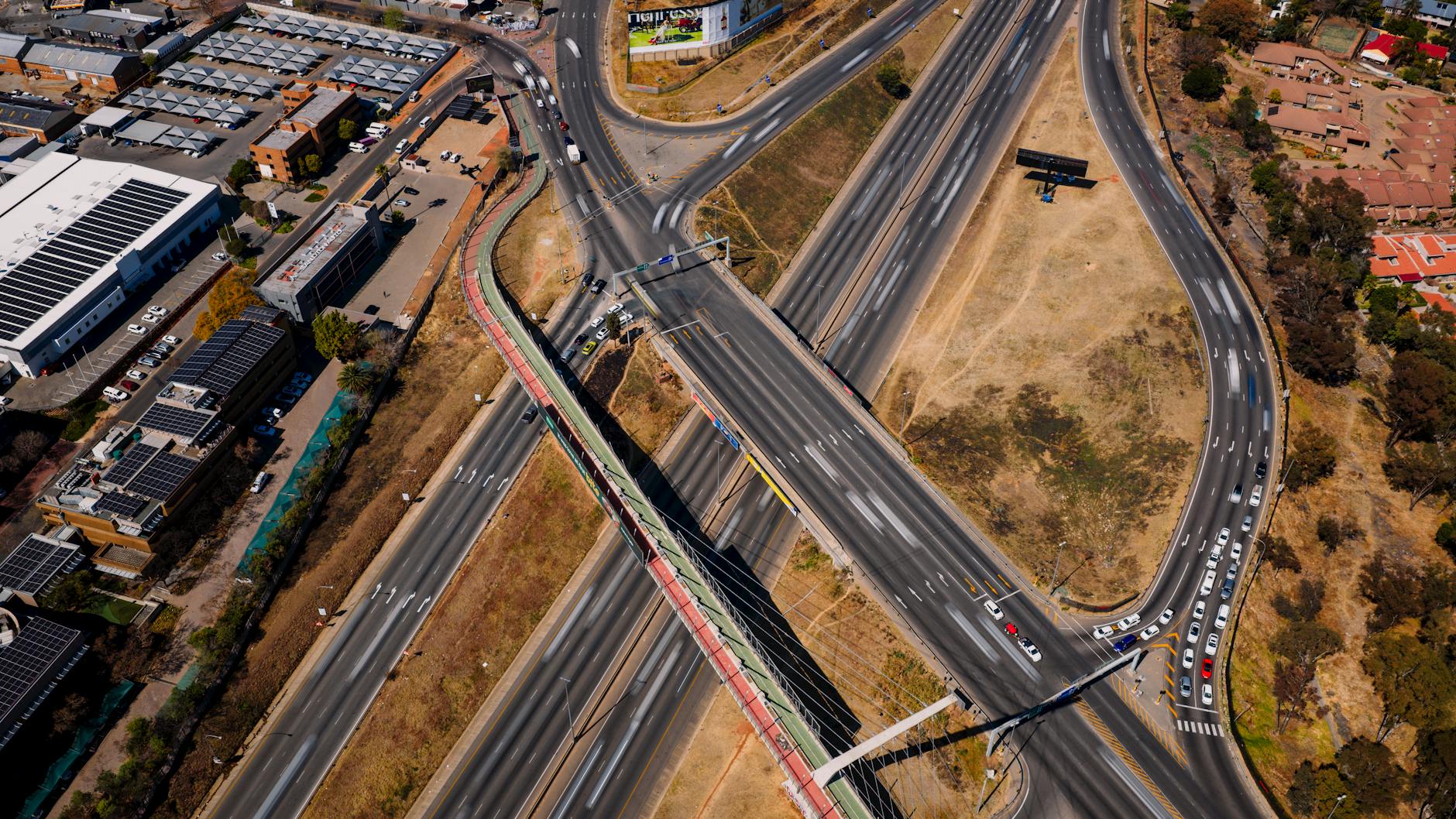



A United Airlines aircraft struck a light pole positioned along the New Jersey Turnpike during its approach to Newark Liberty International Airport, prompting federal investigators to examine the incident. The collision occurred as the passenger jet was completing its landing sequence at one of the nation’s busiest aviation hubs.
Federal Aviation Administration officials have launched a formal investigation into the circumstances surrounding the strike. The incident highlights ongoing concerns about aircraft clearances near major airports where infrastructure and flight paths intersect in densely populated corridors.
Airport Operations Continue Despite Incident
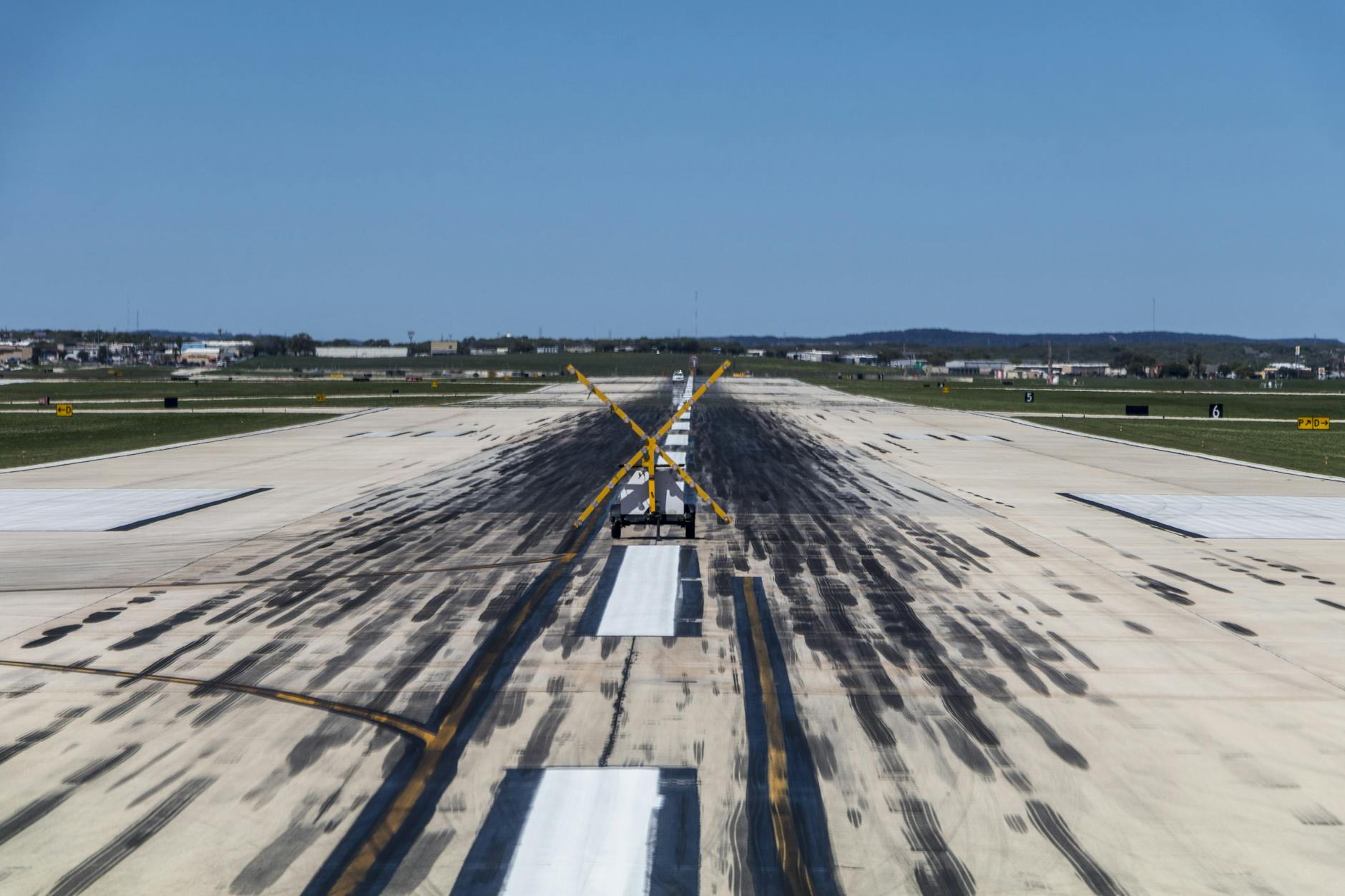
Newark Liberty International Airport maintained normal operations following the collision, with no immediate disruptions reported to passenger traffic or flight schedules. United Airlines has not disclosed whether the aircraft sustained damage that would affect its operational status or require extended maintenance procedures.
The New Jersey Turnpike runs directly adjacent to Newark’s runway complex, creating a unique geographic situation where highway infrastructure sits within close proximity to aircraft landing patterns. Light poles and other roadway equipment in this area must be positioned to meet both transportation safety requirements and aviation clearance standards.
Investigation Process and Safety Protocols
Federal investigators will examine multiple factors including weather conditions, pilot procedures, aircraft approach angle, and the positioning of ground infrastructure. The FAA typically conducts thorough reviews of any incident involving contact between aircraft and ground structures, regardless of the apparent severity of the collision.
Aviation safety protocols require detailed documentation of such events to identify potential systemic issues that could affect future operations. Investigators will likely interview the flight crew, review radar data, and examine the aircraft’s flight recorder information to reconstruct the sequence of events leading to the strike.
The location where highways and airport property intersect creates ongoing challenges for aviation safety planners. Engineers must balance the needs of ground transportation infrastructure with the clearance requirements for aircraft operating at varying altitudes during approach and departure phases.
Newark Liberty processes over 46 million passengers annually, making it the 11th busiest airport in the United States. The facility’s three runways handle approximately 1,400 daily flights, creating a complex operational environment where precision in both air traffic control and ground infrastructure placement becomes essential for maintaining safety standards.

United Airlines Safety Record
United Airlines operates one of the world’s largest fleets with more than 800 aircraft serving destinations across six continents. The carrier has invested heavily in pilot training programs and aircraft maintenance procedures as part of broader industry efforts to enhance operational safety.
Recent aviation industry data shows that commercial airline safety continues to improve despite increasing flight volumes and operational complexity at major airports. However, incidents involving ground infrastructure remind operators and regulators of the need for constant vigilance in maintaining clearance standards.
Infrastructure Considerations at Major Airports
Airport authorities regularly assess the placement of ground equipment and lighting systems to ensure compliance with federal aviation regulations while maintaining necessary highway operations. The proximity of major roadways to active runways requires careful coordination between aviation officials and state transportation departments.
Light poles, signs, and other vertical structures near airports must meet specific height restrictions and positioning requirements designed to provide adequate clearance for aircraft during normal operations. These standards account for variations in aircraft size, approach angles, and weather conditions that might affect flight paths.
The Federal Aviation Administration has not yet released specific details about the height of the light pole involved in the incident or whether it met current positioning standards for its location relative to the airport’s approach corridors. Such information typically emerges during the formal investigation process as officials examine compliance with existing regulations.