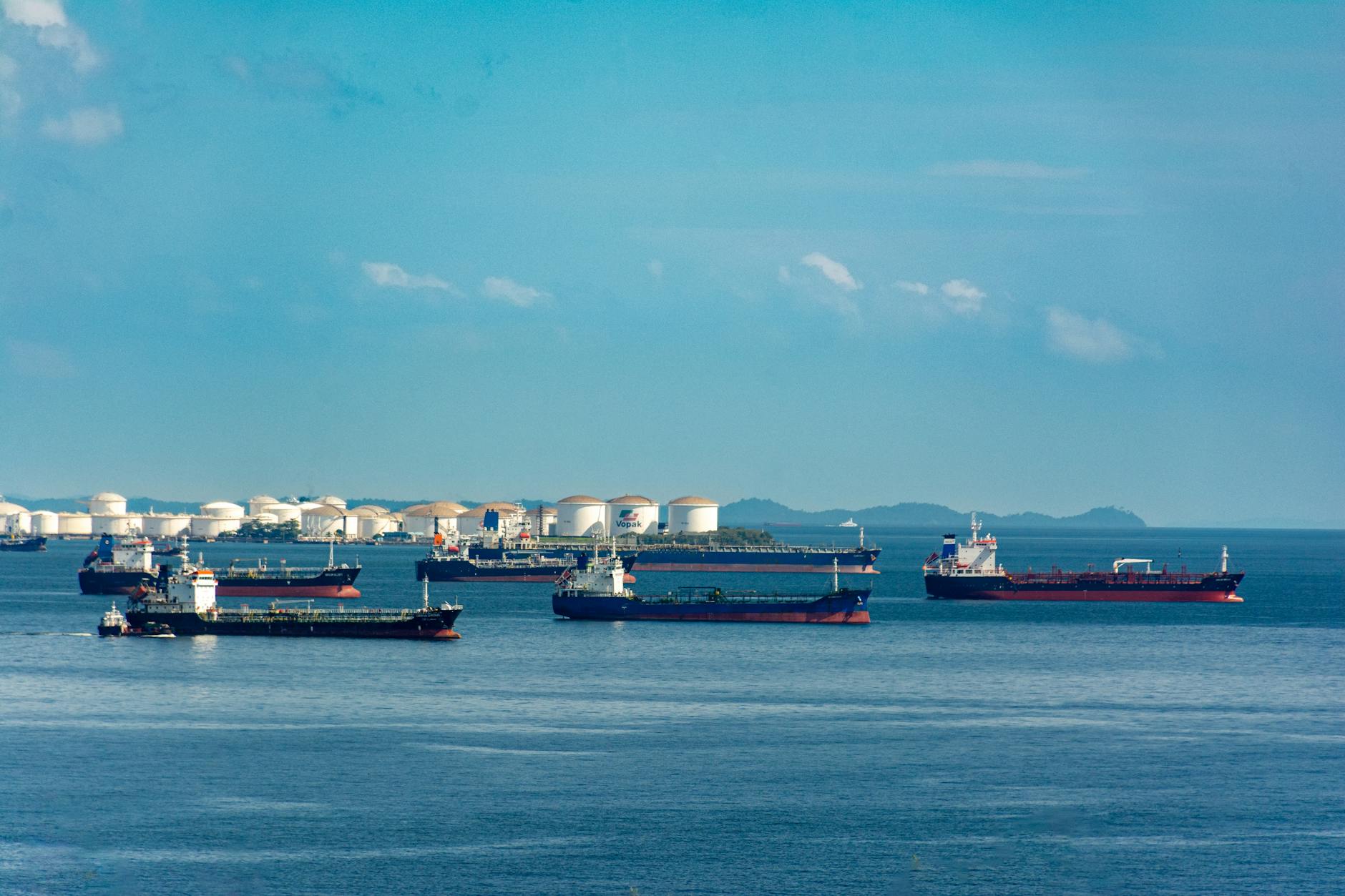



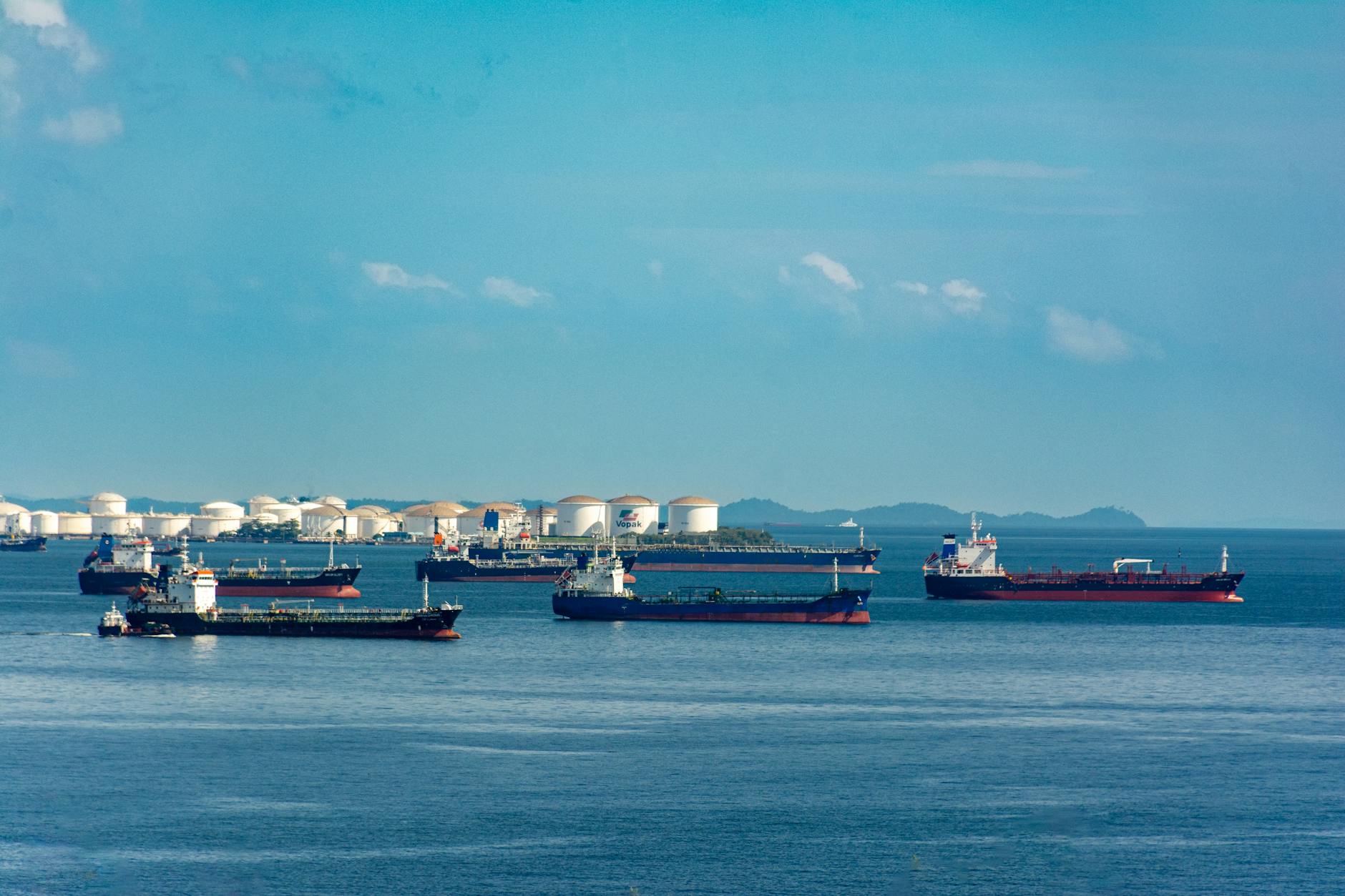
The narrow waterway through which one-fifth of global oil passes has become a focal point of geopolitical tension once again. Iran’s threats to disrupt shipping in the Strait of Hormuz mirror tactics from four decades ago, when the Islamic Republic targeted commercial vessels during its eight-year conflict with Iraq.
Economic historians point to the 1980s “Tanker War” as a blueprint for understanding how regional conflicts can send shockwaves through global energy markets. Between 1984 and 1988, Iranian forces attacked more than 400 ships, pushing oil prices to heights that contributed to economic instability worldwide.
Historical Precedent for Maritime Economic Warfare
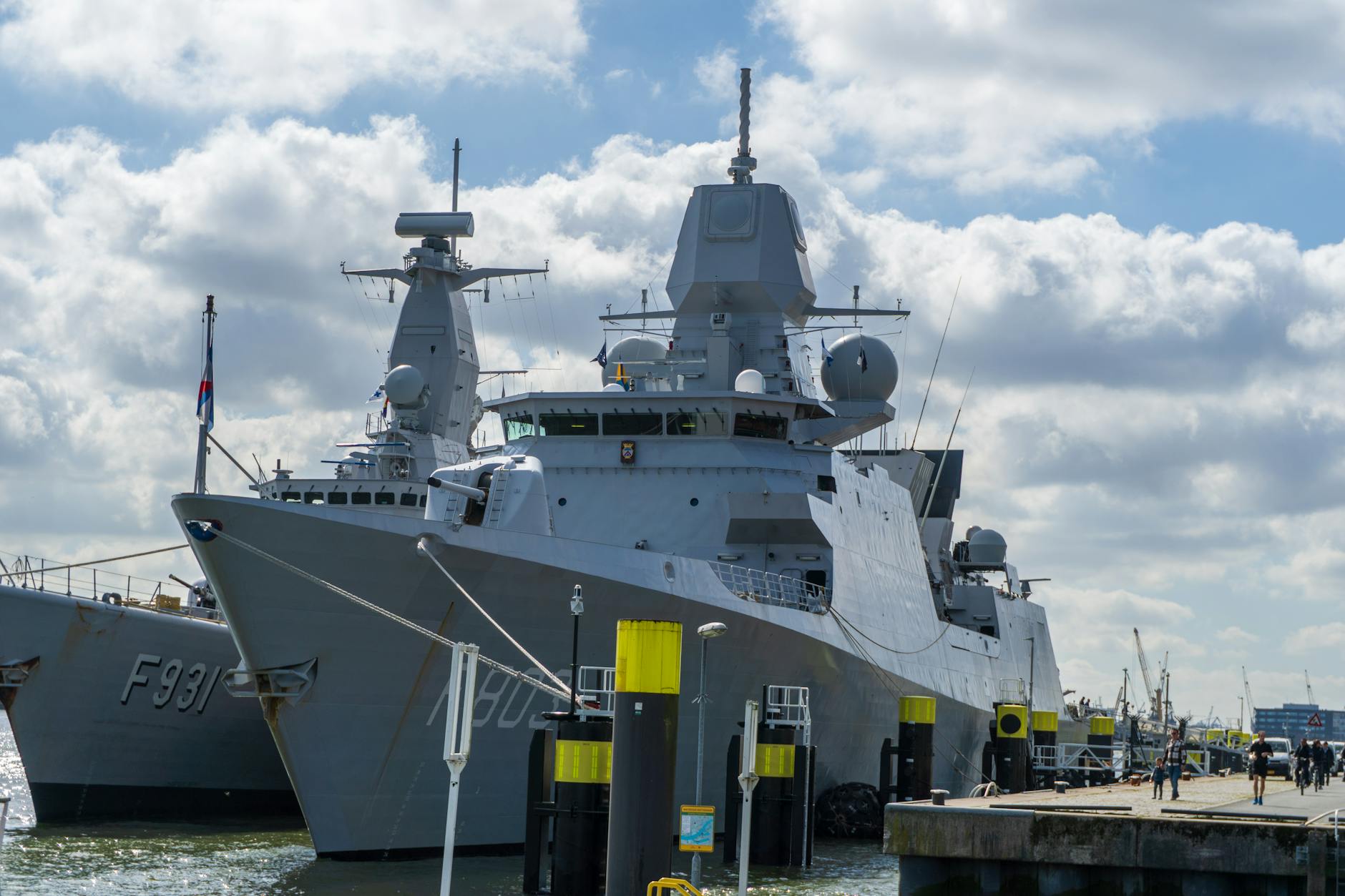
The Reagan administration’s Operation Earnest Will represented the largest naval convoy operation since World War II. American warships escorted Kuwaiti tankers through the Persian Gulf after Iran began systematically targeting neutral shipping. The economic rationale was clear: protecting the flow of oil that powered Western economies.
Iranian attacks during that period demonstrated how a regional power could leverage geographic chokepoints for economic leverage. The country’s strategy involved mining shipping lanes, launching missile attacks from speedboats, and using naval mines to create an atmosphere of commercial uncertainty.
Modern Economic Stakes in the Strait
Today’s stakes dwarf those of the 1980s in terms of global economic integration. The Strait of Hormuz handles approximately 21% of global petroleum liquids, according to the Energy Information Administration. Daily traffic includes roughly 21 million barrels of crude oil and petroleum products, worth billions of dollars.
Insurance rates for tankers transiting the waterway spike dramatically during periods of heightened tension. Lloyd’s of London data shows war risk premiums can increase tenfold within days of military incidents, adding millions to shipping costs that ultimately reach consumers at gas pumps worldwide.
The economic ripple effects extend far beyond energy markets. Container ships carrying manufactured goods also traverse the strait, making it a critical artery for global supply chains. A sustained closure would force cargo vessels to take much longer routes around Africa, adding weeks to delivery times and substantially increasing transportation costs.
Modern Iran possesses more sophisticated weapons than during the 1980s conflict, including anti-ship missiles, naval mines, and fast attack craft. Military analysts estimate the country could potentially close the strait for several weeks, though doing so would also cut off Iran’s own oil exports and invite swift international military response.
Economic Lessons from Past Naval Operations
The 1987-1988 period offers concrete examples of how military protection of commercial shipping affects global markets. Oil futures prices dropped significantly once U.S. naval forces began regular convoy operations, demonstrating how military commitment can stabilize commodity markets during regional conflicts.
However, the costs proved substantial for American taxpayers. The Navy deployed dozens of warships and thousands of personnel for nearly two years, with total expenses exceeding $5 billion in today’s dollars. The operation also resulted in several military incidents, including the accidental downing of Iran Air Flight 655, which killed 290 civilians.
Current Market Vulnerabilities and Strategic Reserves
Unlike the 1980s, when strategic petroleum reserves were smaller and less coordinated, major oil-consuming nations now maintain substantial emergency stocks. The United States alone holds approximately 350 million barrels in its Strategic Petroleum Reserve, enough to replace Strait of Hormuz imports for several months.
Yet financial markets remain highly sensitive to supply disruption threats. Oil prices jumped more than 4% in early 2024 following Iranian military exercises near the strait, demonstrating how quickly geopolitical tensions translate into economic volatility. Major shipping companies have already begun factoring potential closure scenarios into their route planning and insurance calculations.
The question facing policymakers today mirrors the dilemma from four decades ago: whether the economic benefits of keeping shipping lanes open justify the military and diplomatic costs of confronting Iran. With global energy transitions still years away from reducing dependence on Middle Eastern oil, the narrow waters between Iran and Oman remain as economically vital as ever.